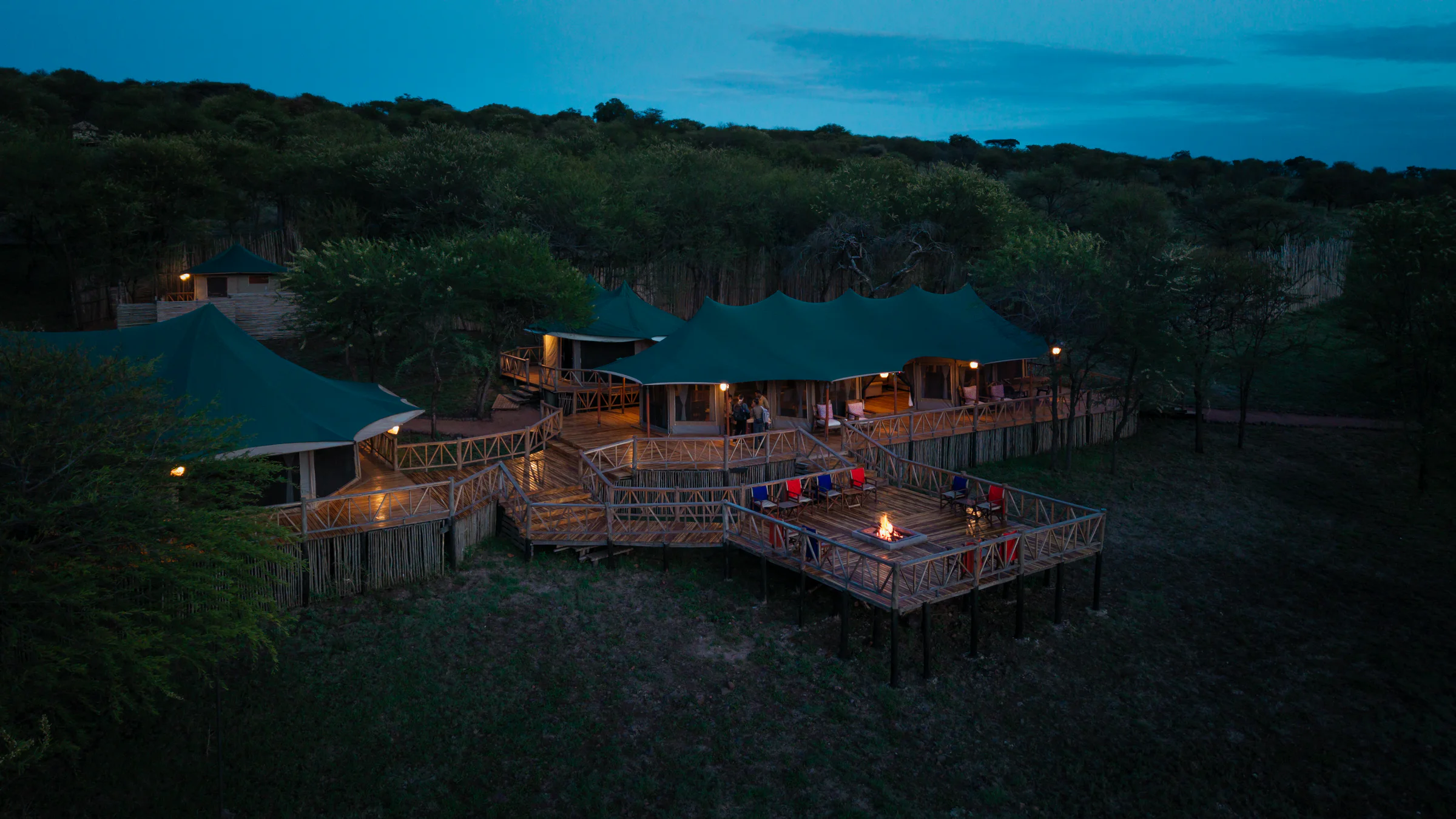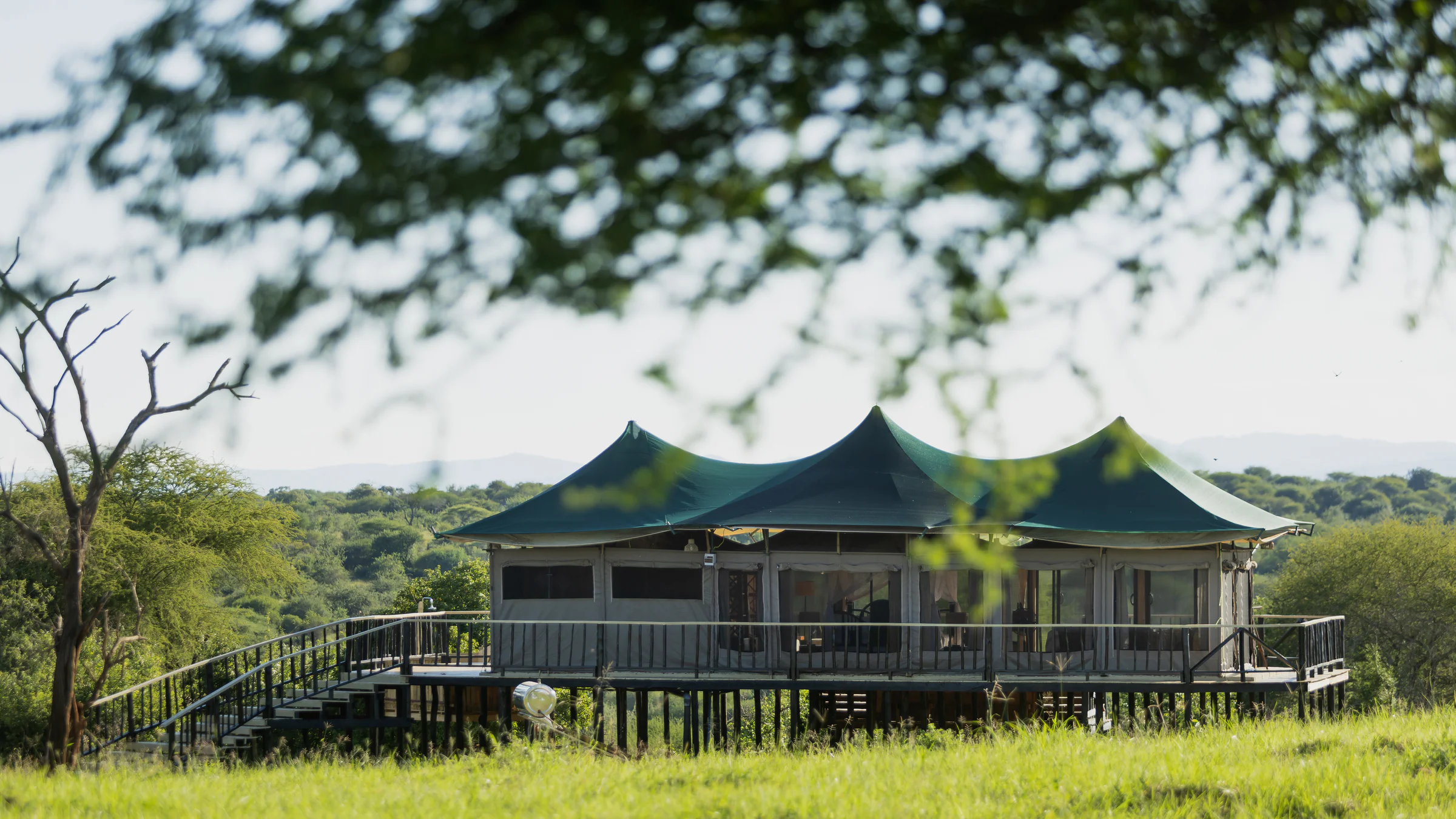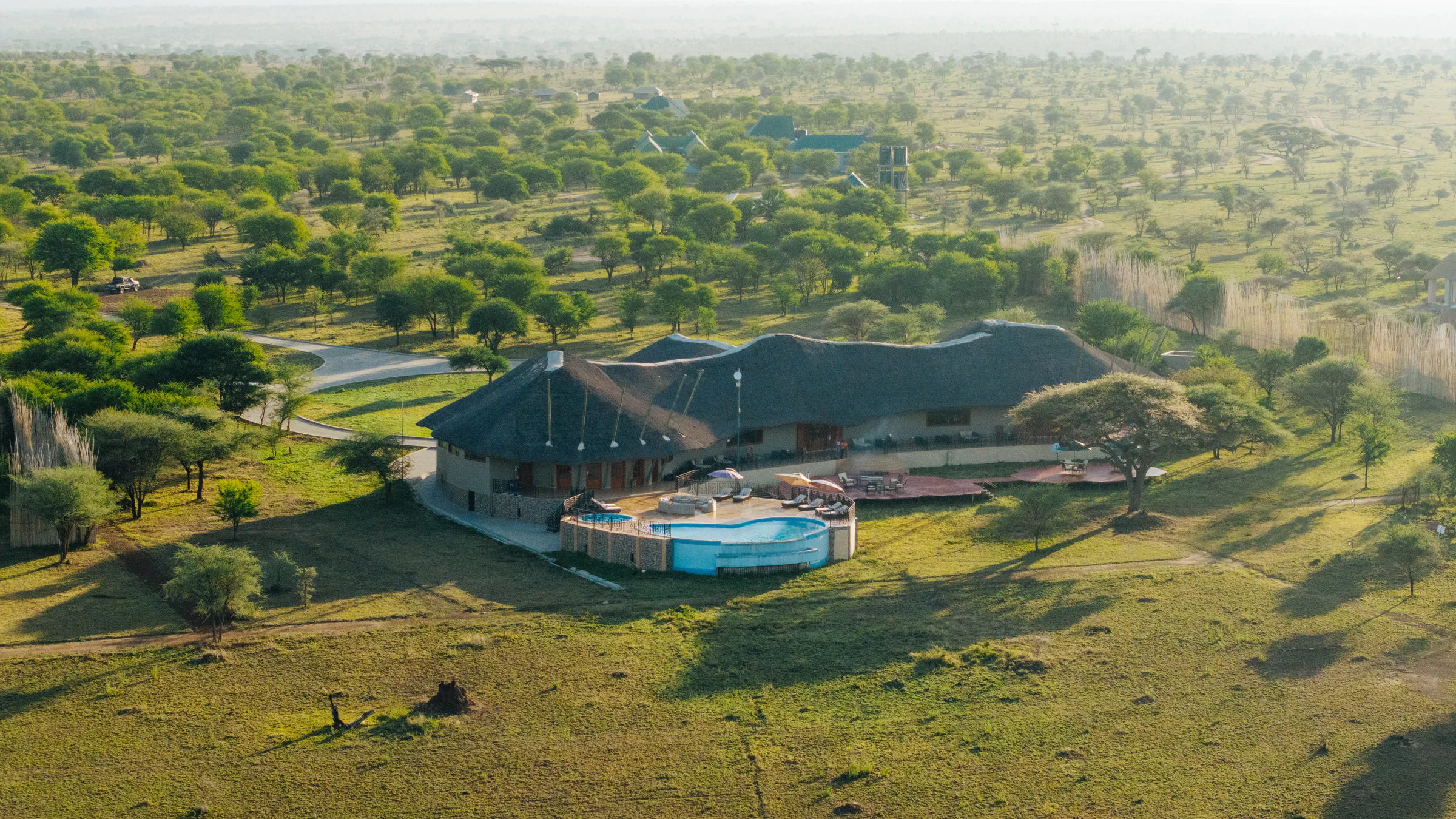
The Serengeti is regarded as one of Africa’s most classic safari destinations. It is home to the Big Five, about 500 bird species and Africa’s most well-known great migration....
The Serengeti is regarded as one of Africa’s most classic safari destinations. It is home to the Big Five, about 500 bird species and Africa’s most well-known great migration.
Here are a few reasons why you must visit Serengeti:
1. The Sunset
Make the most of early starts and sundowners to enjoy Serengeti’s beautiful sunrises and sunsets. Enjoy a concerto of muted pink and lilac in the morning or the showy gold and orange of the sinking sun that silhouettes umbrella trees and a giraffe or wildebeest in the distance. Here on safari, you’re close to the earth and your days are defined by the natural ebb and flow of light. Find a patch of silence to drink it all in so you can remember what it looked and felt like long after you’ve returned home.
2. The Wild
If you stay in small camps in the Serengeti, the wildlife will be all around you. Serengeti a top wildlife park will not let you down when it comes to experiencing the best of Africa’s wildlife. Listen for the roar of a lion, the whoop of a spotted hyena, the grunt of a hippo or perhaps the call of an owl. Early mornings are wonderful times in the bush too, the first bird calls mounting to a crescendo, perhaps the trumpeting of an elephant, the yelping of jackals, even moaning of the wildebeest or hysterical iha-iha of zebras.
3. The culture
Some Maasai cultural experiences can feel inauthentic and forced. The best way to avoid the more commercialized tours is to look for an operator that practices responsible tourism that benefits the local community in an ethical and sustainable way
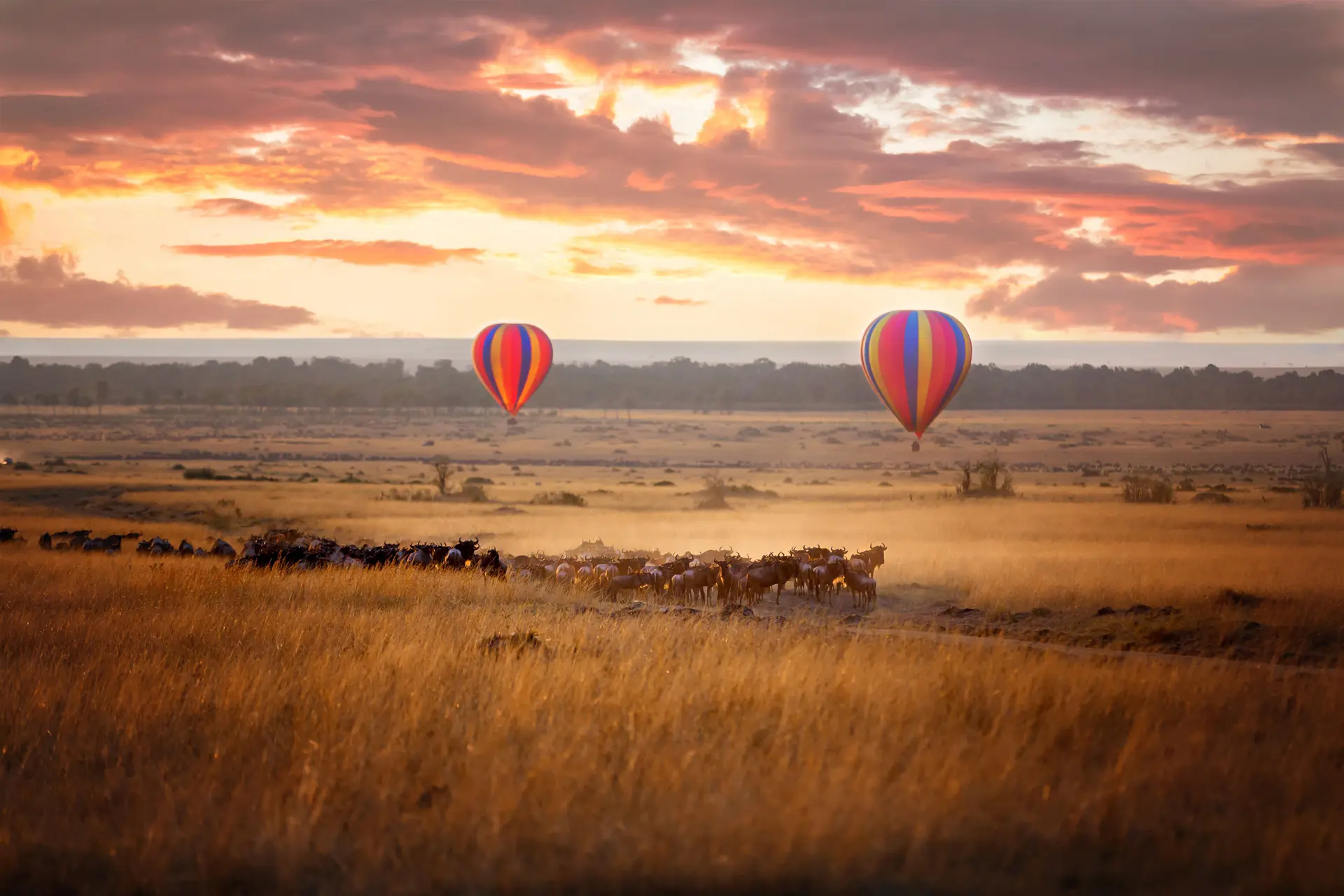
4. Hot air balloon
Spot animals out in the open in the cool of the early morning, before the day heats up and they take cover in the shade of trees or koppies. Float with the wind on a hot air balloon safari as the pilot finds a channel, dip low to see the animals or climb to 300m for an eagle’s eye view of the Serengeti landscape. Once you’re back on the ground, enjoy a champagne breakfast before returning to camp.
5. The Birds
Bird watching in the Serengeti is good year-round, but at its very best during November through April. Not only is this when European and North African migratory birds are present, but it is also nesting time for resident species. This makes it easy to spot birds in their breeding plumage.
The Secretary Bird is endemic to Africa but you will find them mostly in the open grasslands of the Serengeti. They are always in pairs – male and female seen all through the park hunting for food. They feed on a wide variety of food such as insects, lizards, and snakes in the open grasslands.
6. The Wildebeest Migration
The annual migration of giant herds of grazers across Northern Tanzania and Kenya is a truly spectacular event. Over two million wildebeest, zebras, and gazelles move through the Serengeti and Masai Mara ecosystems in search of green pasture, in a regular pattern. Don’t miss out on the once in a lifetime chance to track and witness the Great Wildebeest Migration progress across the Serengeti!
Start planning your Tanzania safari
Our safari experts craft personalized itineraries for every interest and budget. Tell us what you are looking for.
Request a Free Quote