An honest, side-by-side comparison of the Serengeti and Masai Mara from a Tanzania-based safari operator. Size, migration timing, costs, crowds, and which offers better value.
We are a Tanzania-based safari operator, so you might expect us to simply tell you the Serengeti is better than the Masai Mara and leave it at that. But that would be dishonest — and dishonesty does not help you plan the safari of a lifetime. Both parks are extraordinary. Both deliver world-class wildlife. Both will leave you speechless. The question is which one suits your specific trip better, and on that front, we can offer a deeply informed perspective.
We run camps in the Serengeti and have guided thousands of guests through its ecosystems. We also have colleagues and friends who operate in the Mara, and we have personally spent time in both parks. This comparison is fair, honest, and grounded in real experience.
Side-by-Side Comparison
| Factor | Serengeti (Tanzania) | Masai Mara (Kenya) |
|---|---|---|
| Size | 14,750 sq km | 1,510 sq km |
| Ecosystem (total) | 30,000 sq km (Serengeti-Mara) | Part of the same ecosystem |
| Migration Months | Year-round (different sectors) | July–October only |
| River Crossings | Mara River + Grumeti River | Mara River |
| Big Five | All five (rhino rare) | All five (rhino rare) |
| Big Cat Density | Very high | Very high |
| Crowd Levels (peak) | Moderate | High to very high |
| Park Entry Fee | $60/day | $80/day |
| Avg Mid-Range Camp | $250–$400/night | $300–$500/night |
| Calving Season | Yes (Jan–Feb, Southern Serengeti) | No |
| Flight from Nairobi | 3–4 hours (via Arusha or direct) | 1 hour |
| Flight from Arusha | 1.5 hours | Not direct |
| Off-Road Driving | Not permitted | Permitted in some areas |
| Night Game Drives | Not in national park | Available in conservancies |
Let us unpack each of these factors honestly.
Planning a Serengeti safari? Get a free quote from our team.
Size: The Serengeti's Biggest Advantage
This is the single most important difference, and it shapes almost everything else. The Serengeti is nearly ten times larger than the Masai Mara. That is not a small margin — it is a fundamentally different scale of wilderness.
What does this mean in practice? In the Serengeti, you can drive for hours through pristine savannah without seeing another vehicle. You can have a lion pride entirely to yourself. You can watch a cheetah hunt with nobody else around. The sense of wildness and solitude is profound. In the Masai Mara, particularly during peak migration season (August–September), popular sighting spots can attract 20–30 vehicles. The wildlife is equally spectacular, but the sense of private wilderness is harder to find.
The Serengeti's size also supports greater habitat diversity — from the short-grass plains of the south to the riverine forests of the Western Corridor to the hilly woodland of the north. Each zone has its own character and wildlife specialities.
The Great Migration: A Longer Window in the Serengeti
The Great Migration is a single, continuous event that spans both parks — it is the same ecosystem, after all. But here is the critical difference: the migration herds spend approximately 9–10 months of the year in the Serengeti and only 2–3 months in the Masai Mara.
The cycle works like this:
| Period | Location | Event |
|---|---|---|
| January–March | Southern Serengeti | Calving season — 8,000 births per day |
| April–May | Central Serengeti | Herds move north through the plains |
| June | Western Serengeti | Grumeti River crossings |
| July–October | Northern Serengeti / Masai Mara | Mara River crossings |
| November–December | Eastern / Southern Serengeti | Return journey south |
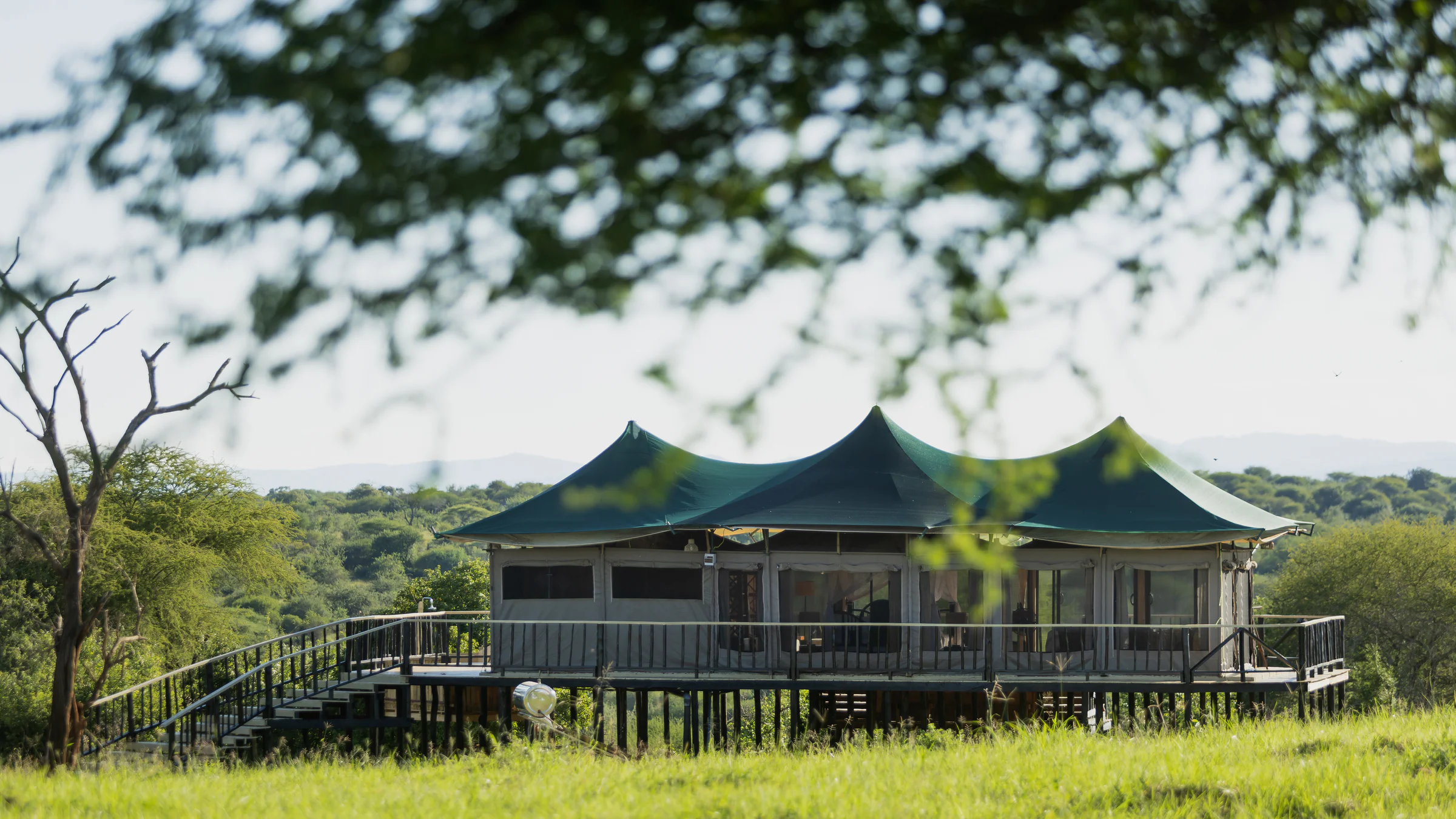
If you visit the Masai Mara outside July–October, you will miss the migration entirely. In the Serengeti, the migration is always somewhere within the park or its immediate ecosystem. Our Enkutoto Migration Camp ($250–$400/night) is specifically designed as a mobile camp that repositions to follow the herds, ensuring our guests are always in the heart of the action regardless of the month.
The calving season (January–February) deserves special mention. This spectacular event — millions of animals gathered on the Southern Serengeti plains with thousands of births daily and predators everywhere — is exclusive to Tanzania. The Masai Mara has nothing equivalent.
Want to witness the migration? Ask us about the best timing for your dates.
Wildlife Quality: Honestly Equal
We must be fair here: the wildlife quality in both parks is world-class and essentially equal. Both have excellent populations of lions, leopards, cheetahs, elephants, buffalo, hippos, giraffes, zebra, and hyenas. Both offer the Big Five (though rhino sightings are uncommon in either park).
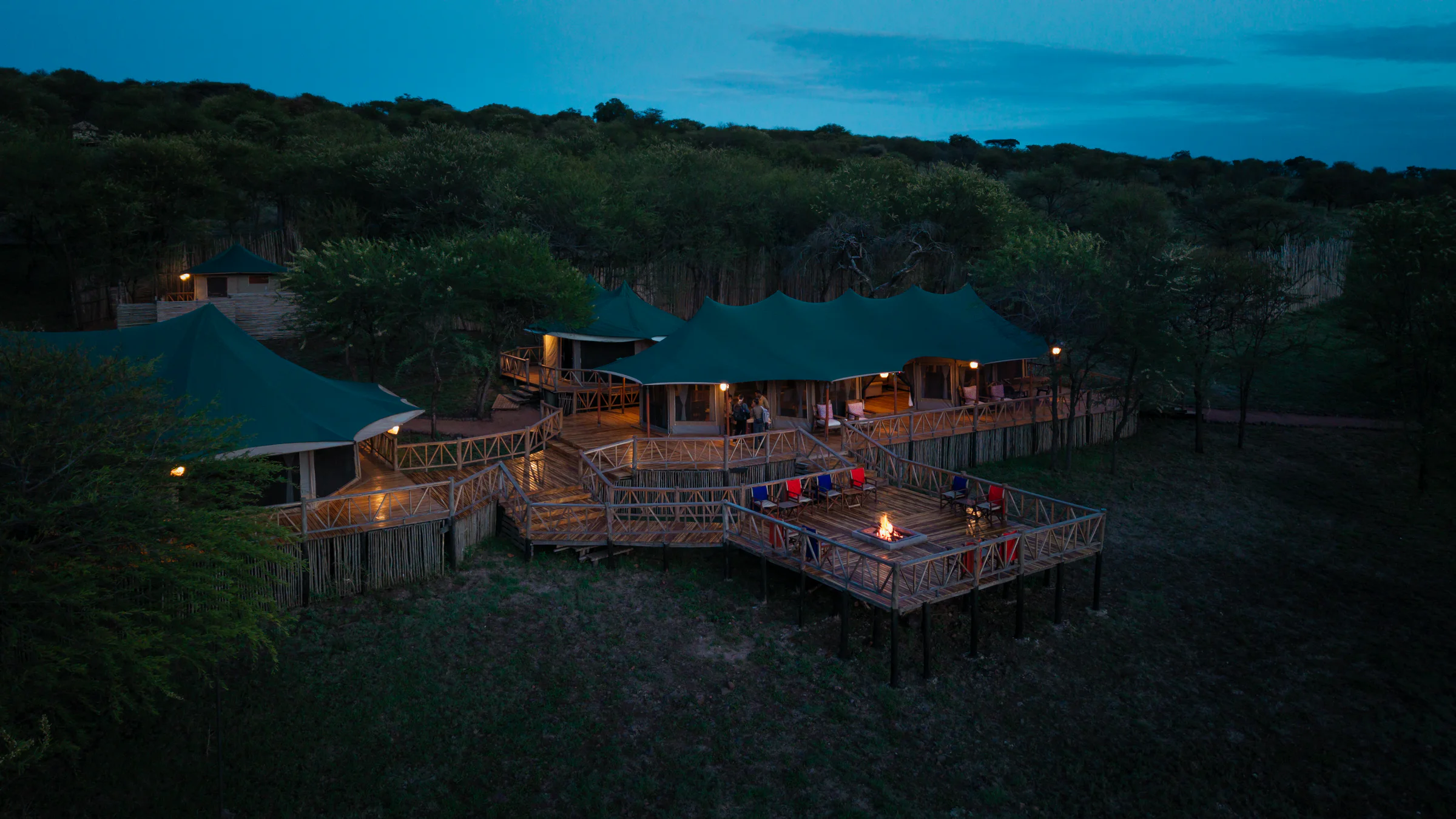
If anything, the Masai Mara has a slight edge in big-cat density per square kilometre simply because it is smaller and the cats are concentrated. The famous Marsh Pride and other well-known lion prides are easily located by experienced Mara guides. However, the Serengeti's Central Serengeti region around Seronera — where our Enkirari Wilderness Camp ($250–$325/night) is located — rivals any area in Africa for big-cat encounters.
The Serengeti's size advantage means greater total biodiversity. More habitat types support more species, and the sheer number of individual animals is higher. The Serengeti ecosystem supports an estimated 2 million wildebeest, 500,000 zebra, and 300,000 Thomson's gazelle — numbers that dwarf any single reserve on Earth.
Cost Comparison: Serengeti Offers Better Value
This is an area where the Serengeti has a clear advantage, particularly at the mid-range and luxury levels.
| Cost Category | Serengeti | Masai Mara |
|---|---|---|
| Park Entry Fee (adult/day) | $60 | $80 |
| Budget Camping | $80–$150/night | $100–$200/night |
| Mid-Range Tented Camp | $250–$400/night | $300–$500/night |
| Luxury Lodge/Camp | $435–$800/night | $600–$1,500/night |
| Guide/Vehicle (private) | $80–$120/day pp | $100–$150/day pp |
| Avg 4-Day Safari (mid-range, pp) | $1,500–$2,200 | $2,000–$3,000 |
Kenya's tourism industry is more mature and internationally marketed, which tends to push prices higher. Tanzania's safari sector, while growing rapidly, still offers exceptional value — particularly when you book directly with a local operator like us rather than through international travel agents.
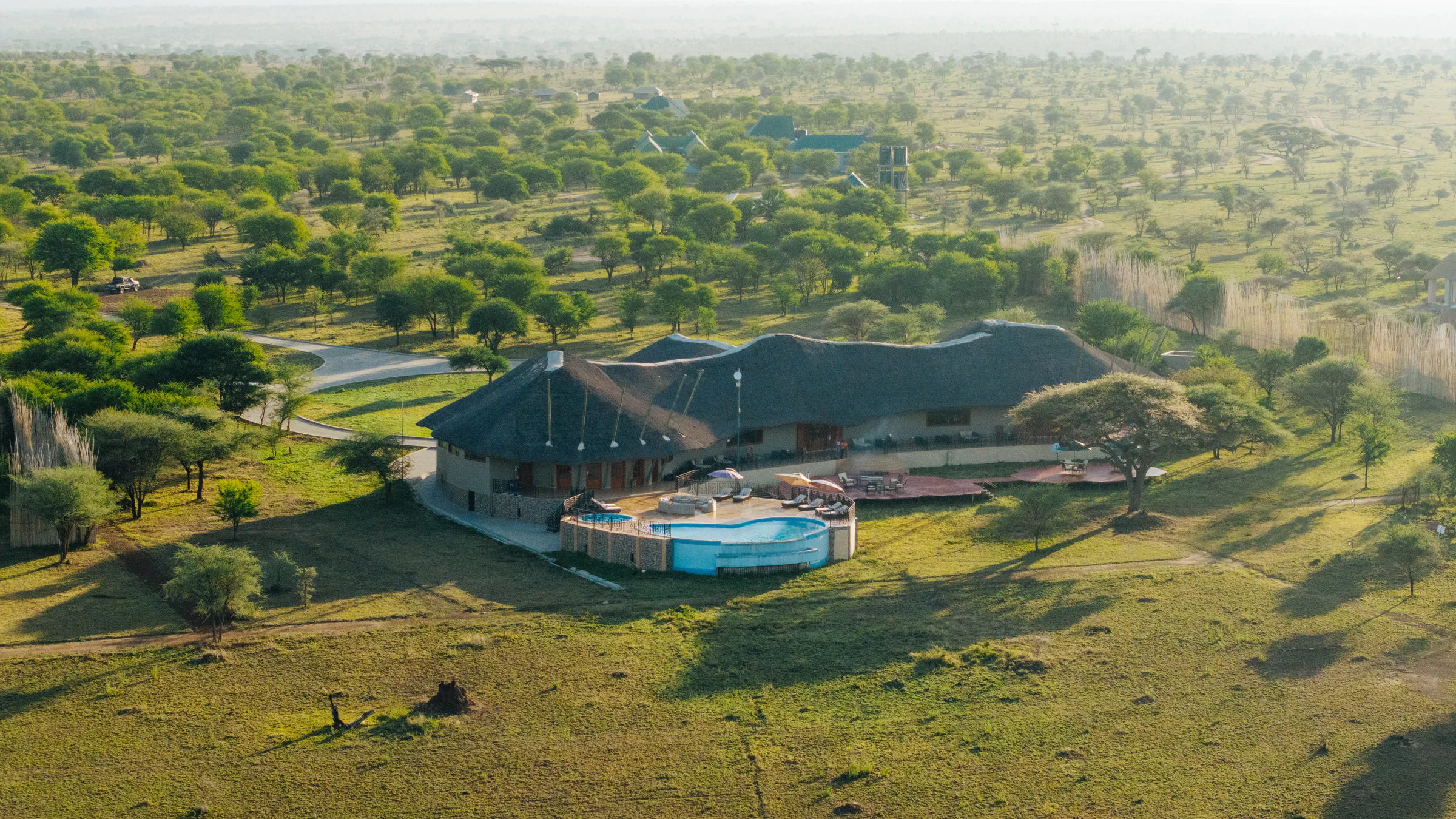
Our Serengeti properties range from the accessible Enkirari Wilderness Camp at $250–$325/night to the eco-luxury Olkarien Eco Safari Camp at $435–$474/night. Comparable quality in the Masai Mara's private conservancies typically costs 30–50% more.
Get honest pricing. Request a no-obligation quote from our team.
Crowds and Exclusivity
This is where the size difference becomes most tangible. During peak migration season (August–September), the Masai Mara can feel genuinely crowded at popular crossing points. It is not uncommon to see 30–50 vehicles lined up at the Mara River waiting for a crossing. The sighting is still magnificent, but the sense of wilderness is diluted.
The Masai Mara has addressed this partly through private conservancies — areas adjoining the reserve where guest numbers are strictly limited and off-road driving and night drives are permitted. These conservancies offer a more exclusive experience, but at significantly higher prices ($500–$1,500 per person per night).
The Serengeti achieves exclusivity through sheer scale. Even at its busiest, the park absorbs visitors across its vast area. Popular spots like Seronera can get busy, but our guides know how to find quieter areas with equally good wildlife. The Northern Serengeti, in particular, sees far fewer visitors than the Mara despite offering the same river crossings.
Logistics and Access
The Masai Mara has a logistical advantage for travellers coming from Nairobi — it is a short 1-hour flight or 5–6 hour drive from Kenya's capital. If you are already in Kenya, adding the Mara is straightforward.
The Serengeti requires more planning. From Arusha (Tanzania's safari capital), it is a 1.5-hour flight or 7–8 hour drive. From Nairobi, you need to cross the border and drive or fly via Arusha or take a direct charter. However, if you are planning a Tanzania-focused trip, the Serengeti integrates seamlessly with the Ngorongoro Crater and Tarangire National Park on the Northern Circuit.
We recommend flying into Kilimanjaro International Airport (JRO), spending a night at our Acacia Retreat ($140–$220/night) in Arusha, and then driving or flying to the Serengeti via Ngorongoro. This route gives you three world-class destinations in a single trip — something the Masai Mara alone cannot match.
Unique Advantages of Each Park
Serengeti Advantages
- Calving season: The January–February calving spectacle in the Southern Serengeti is exclusive to Tanzania and rivals the river crossings for drama
- Year-round migration access: The herds are always somewhere in the Serengeti ecosystem
- Less crowded: 10x larger area means far lower vehicle density
- Better value: Lower park fees, more affordable camps at comparable quality
- Northern Circuit: Easily combined with Ngorongoro Crater and Tarangire
- Grumeti crossings: A second river crossing event (June) that most visitors overlook
Masai Mara Advantages
- Night drives: Available in private conservancies (not permitted in the Serengeti)
- Off-road driving: Permitted in conservancies, allowing closer approaches to wildlife
- Easier access from Nairobi: Short flight or drive from Kenya's capital
- Walking safaris: More widely available in Mara conservancies
- Compact size: High wildlife density in a smaller area means less driving between sightings
We respect the Masai Mara. It is a magnificent park, and any safari there will be memorable. But for the reasons above — size, value, migration access, and the ability to combine with Ngorongoro and Tarangire — we believe the Serengeti offers more for most travellers.
Why We Believe the Serengeti Offers More Value
As operators who have built our business around the Serengeti ecosystem, we are naturally biased — but here is why we believe that bias is justified:
The Serengeti gives you more safari for your money. A 5-day trip combining the Serengeti with Ngorongoro Crater covers two of Africa's greatest wildlife areas, delivers the Big Five, and costs 20–30% less than a comparable Masai Mara itinerary. You get vastly more wilderness per dollar, a longer migration window, and the Ngorongoro Crater — a destination that has no equivalent in Kenya.
Our camps are positioned to maximise these advantages. Enkirari Wilderness Camp ($250–$325/night) in the Central Serengeti offers year-round big-cat viewing at mid-range prices. Olkarien Eco Safari Camp ($435–$474/night) delivers eco-luxury with solar power, a pool, and spa facilities. And Enkutoto Migration Camp ($250–$400/night) ensures you never miss the migration regardless of what month you visit.
Browse our full range of safari tour packages to see what a Serengeti safari looks like in practice.
Ready to choose the Serengeti? Get a personalised itinerary from our safari team.
Can You Visit Both Parks in One Trip?
Yes, and some travellers do combine the Serengeti and Masai Mara in a single East African safari. This typically involves driving or flying from the Northern Serengeti to the Kenya border (Isebania or the Sand River crossing) and continuing into the Masai Mara. The combined trip gives you the full migration circuit from both sides of the border.
However, a combined trip adds complexity (border crossings, separate park fees, different currencies, two sets of visas) and cost. For most first-time visitors, we recommend focusing on one country and doing it well. If you choose Tanzania, the Northern Circuit (Tarangire, Ngorongoro, Serengeti) is the most complete safari experience in East Africa.
Photography: Serengeti vs Masai Mara
For wildlife photographers, both parks deliver world-class opportunities. The Serengeti's advantage is its vastness and light quality — the enormous skies create dramatic sunrise and sunset backdrops, and the rolling kopjes provide natural elevated platforms for landscape-wildlife compositions. The lack of fences and the sheer remoteness mean you can frame shots with pure wilderness stretching to every horizon, undisturbed by roads or infrastructure.
The Masai Mara offers superb close-range photography thanks to the off-road driving permitted in private conservancies. You can position your vehicle at precisely the right angle for that perfect shot, which is not possible in the Serengeti where off-road driving is prohibited. The Mara's rolling green hills also provide a softer, more uniformly photogenic backdrop than the Serengeti's varied terrain.
For migration river crossings, the Serengeti actually offers two distinct opportunities — the Grumeti River crossing in June and the Mara River crossings from July to October. The Northern Serengeti's Mara River crossing points tend to be less crowded with vehicles than the Kenyan side, giving photographers cleaner compositions. Our guests at Enkutoto Migration Camp ($250–$400/night) consistently produce stunning crossing photographs because the camp positions them at the right river points ahead of the herds.
Conservation: Supporting Local Communities
Both parks play critical roles in East African conservation, but their models differ. The Serengeti is a fully protected national park managed by TANAPA, with strict regulations on development and tourism activities. The Masai Mara is a national reserve managed by the Narok County Council, with private conservancies on its borders that blend tourism with community-owned land.
When you choose to safari in Tanzania, your park fees directly fund conservation of one of Earth's last great wilderness areas. Additionally, operators like Acacia Collections contribute to local communities through employment, education initiatives, and partnerships with Maasai villages. Our camps employ local staff from surrounding communities, ensuring that tourism revenue reaches the people who live alongside the wildlife.
Both models have merits, and both deserve support. We simply believe that the Serengeti's combination of scale, value, migration access, and community benefit makes it the stronger choice for most travellers. Browse our safari tour packages to see how we structure conservation-focused itineraries.
Frequently Asked Questions
Is the Serengeti or Masai Mara better for the Great Migration?
The Serengeti offers a longer migration window (year-round in different sectors) and includes the calving season, which the Mara does not. The Mara concentrates the river crossings in a smaller area, making them easier to find. For overall migration value, we give the edge to the Serengeti.
Which park is cheaper?
The Serengeti is generally 20–30% cheaper than the Masai Mara for comparable quality accommodation and experiences. Park fees are lower ($60 vs $80 per day), and mid-range camps in the Serengeti start from $250/night compared to $300+ in the Mara.
Can I see the Big Five in both parks?
Yes. Both parks support all Big Five species (lion, leopard, elephant, buffalo, rhino), though rhino sightings are uncommon in both. For the most reliable rhino sightings, add the Ngorongoro Crater to your Serengeti itinerary — the crater has a stable population of 25–30 black rhinos.
Is the Masai Mara crowded?
During peak migration season (August–September), popular spots in the Masai Mara can attract 20–50 vehicles. Private conservancies are less crowded but more expensive. The Serengeti's size means it rarely feels crowded, even at peak times.
Do I need a visa for both Kenya and Tanzania?
Yes, each country requires a separate visa. The East Africa Tourist Visa ($100) covers Kenya, Uganda, and Rwanda but does not include Tanzania. A Tanzania visa costs $50 on arrival for most nationalities. If combining both countries, budget for both visas and allow extra time at the border crossing.
Start planning your Tanzania safari
Our safari experts craft personalized itineraries for every interest and budget. Tell us what you are looking for.
Request a Free Quote