Discover the best time to visit Tanzania for safari with our month-by-month wildlife calendar. Learn when to see the Great Migration, Big Five, and more.
When should you visit Tanzania for safari? It is the question we answer more than any other, and the honest answer is: there is no bad time. Every month offers something extraordinary. But the best time depends on what you want to see, your budget, and your tolerance for crowds.
After years guiding safaris through every season, we have put together this comprehensive month-by-month calendar so you can choose the timing that matches your dream safari perfectly.
Quick Season Guide
Tanzania has two main seasons that shape the safari experience:
- Dry Season (June–October): Peak safari season. Best visibility, concentrated wildlife around water sources, cooler temperatures. Higher prices and more visitors.
- Green Season (November–May): Lush landscapes, fewer tourists, lower rates. Includes the calving season and short rains. Some roads may be challenging in April–May.
Here is the full picture at a glance:
| Month | Season | Wildlife Rating | Migration Location | Crowds | Rates |
|---|---|---|---|---|---|
| January | Short Dry | Excellent | Southern Serengeti / Ndutu | Moderate | High |
| February | Short Dry | Excellent | Southern Serengeti (Calving) | High | Peak |
| March | Short Dry | Very Good | Southern / Central Serengeti | Low–Moderate | Mid |
| April | Long Rains | Good | Central Serengeti | Very Low | Low |
| May | Long Rains | Good | Central / Western Serengeti | Very Low | Low |
| June | Dry Season | Excellent | Western Corridor / Grumeti | Moderate | High |
| July | Dry Season | Excellent | Northern Serengeti / Mara River | High | Peak |
| August | Dry Season | Excellent | Northern Serengeti / Mara River | Very High | Peak |
| September | Dry Season | Excellent | Northern Serengeti / Mara River | High | Peak |
| October | Dry Season | Excellent | Northern / Eastern Serengeti | Moderate | High |
| November | Short Rains | Very Good | Southern Serengeti (returning) | Low | Mid |
| December | Short Rains | Very Good | Southern Serengeti / Ndutu | High (holidays) | Peak |
Ready to plan your safari? Get a free quote from our safari experts.
January: Calving Begins in the Southern Serengeti
January marks the start of one of nature's greatest spectacles — the wildebeest calving season. Over 1.5 million wildebeest gather on the short-grass plains of the Southern Serengeti and the Ndutu area, and approximately 8,000 calves are born every day for several weeks. The concentration of prey attracts predators in extraordinary numbers. Lions, cheetahs, hyenas, and jackals all converge, creating some of the most dramatic wildlife interactions of the year.
The weather is warm and mostly dry, with occasional afternoon showers that keep the landscape green. It is an ideal time for photography — the combination of green grass, dramatic skies, and dense wildlife is unbeatable.
Best parks: Serengeti (Southern), Ngorongoro Crater, Tarangire
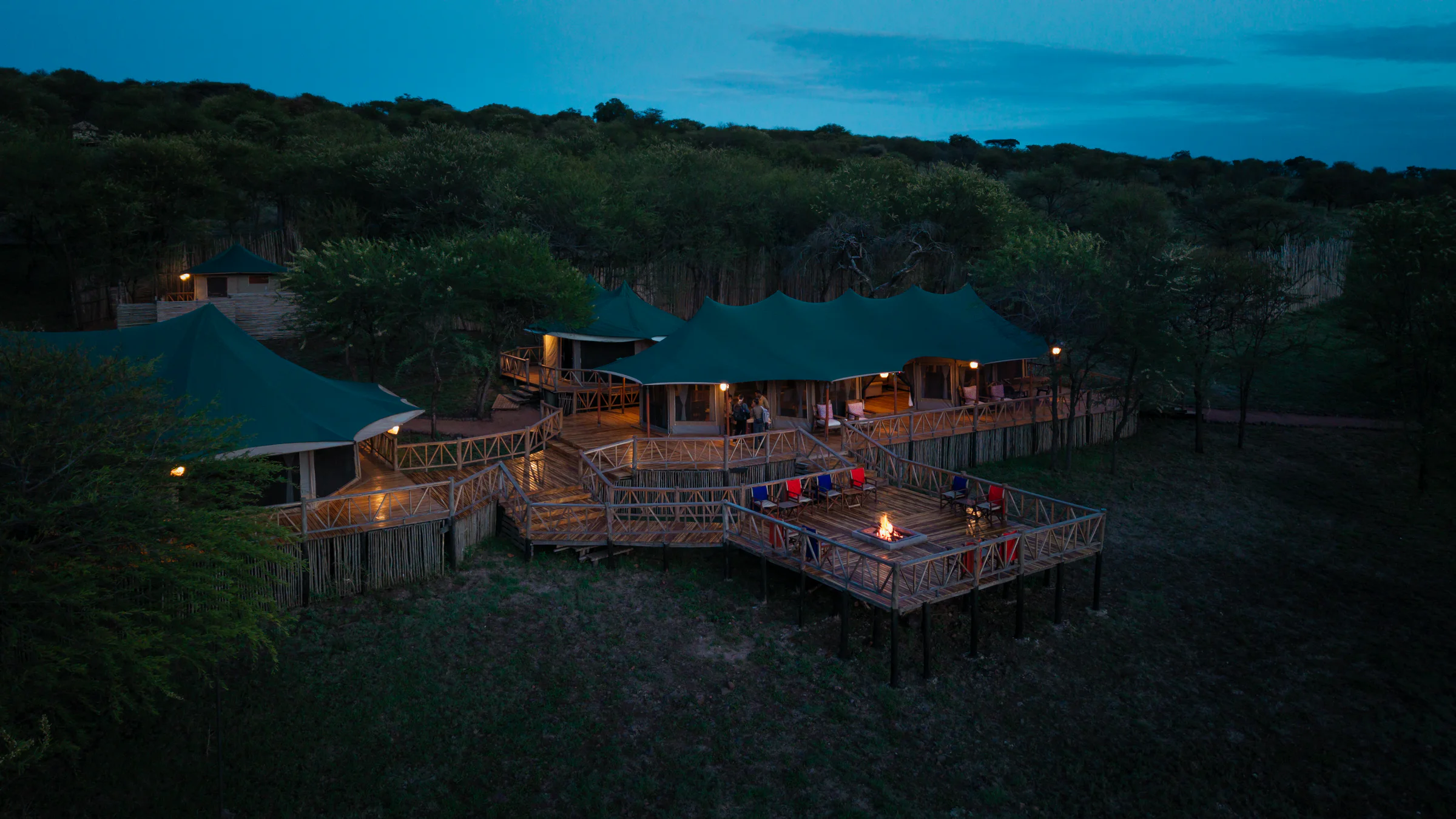
Where to stay: Enkirari Wilderness Camp offers excellent access to the Central Serengeti, while Enkutoto Migration Camp follows the herds to the southern plains.
February: Peak Calving Season
February is the peak of the calving season and arguably the single best month for predator-prey interactions in the entire Serengeti. The Ndutu area becomes a theatre of life and death — thousands of wobbly newborn calves taking their first steps while predators pick off the weakest. It sounds harsh, but witnessing this cycle of life is profoundly moving.
The weather is warm (25–30°C) with clear mornings and occasional afternoon thunderstorms that create spectacular light for photography. This is peak season for rates, so book well in advance — 6–12 months is recommended.
Best parks: Serengeti (Southern/Ndutu), Ngorongoro Crater
March: The Herds Begin to Move
By March, the calves are strong enough to walk, and the mega-herds begin their northward march. The Southern Serengeti plains start to dry out, pushing the migration towards the Central Serengeti and the Seronera Valley. This is a transitional month — still excellent for wildlife, but with noticeably fewer tourists than February.
Rates begin to drop in late March, making it a smart choice for budget-conscious travellers who still want peak-quality wildlife viewing. The Ngorongoro Crater is superb year-round, and March is no exception.
Best parks: Serengeti (Central), Ngorongoro Crater, Lake Manyara
Ready to plan your safari? Get a free quote from our safari experts.
April: Green Season Begins — Best Value
April brings the long rains, and with them, the lowest rates and fewest tourists of the year. Some lodges close, some roads become challenging, and the conventional wisdom says to avoid April. We respectfully disagree.
The rain typically falls in heavy afternoon showers lasting 1–2 hours, leaving mornings and late afternoons clear for game driving. The landscape transforms into an emerald paradise — the contrast with the dry season is staggering. Resident wildlife in the Central Serengeti, Ngorongoro Crater, and Tarangire is still abundant, and you may have entire sightings to yourself.
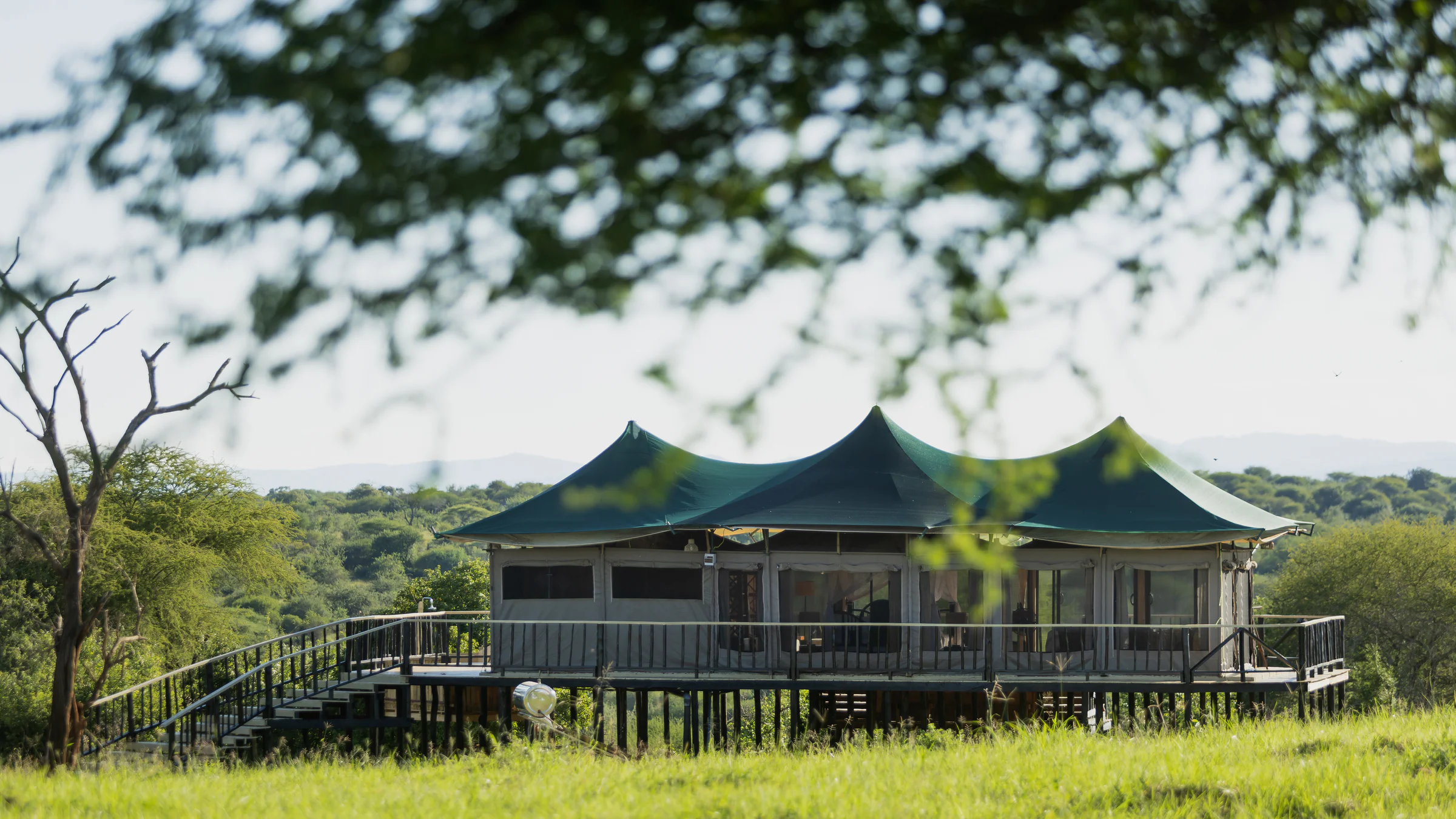
Our camps remain open through green season, and rates at properties like Serian Tarangire Camp and Naserian Safari Camp drop significantly, making this the best-value month for a Tanzania safari.
Best parks: Ngorongoro Crater (excellent year-round), Tarangire, Central Serengeti
May: Quiet Parks, Lush Landscapes
May continues the long rains, though they begin to taper by late May. Tourist numbers remain very low, rates are at their lowest, and the parks feel genuinely wild and private. The migration herds are typically in the Central to Western Serengeti, beginning their push towards the Grumeti River.
May is a photographer's hidden gem — the light quality is extraordinary, with dramatic cloud formations and vivid green landscapes. Bird watching is also at its peak, with migratory species from Europe and North Africa joining the resident populations.
Best parks: Central Serengeti, Ngorongoro Crater, Tarangire
June: Dry Season Begins — The Western Corridor
June marks the start of the dry season and the beginning of the most popular safari period. The rains have ended, vegetation begins to thin, and wildlife concentrates around remaining water sources. Visibility improves dramatically.
The Great Migration herds are typically in the Western Corridor of the Serengeti, approaching the Grumeti River. This river crossing is less famous than the Mara River crossing but equally dramatic — enormous Nile crocodiles lie in wait as thousands of wildebeest attempt to cross. June is one of the best months to witness this.
Best parks: Serengeti (Western Corridor), Tarangire (elephant herds build), Ngorongoro
Where to stay: Enkutoto Migration Camp ($250–$400/night) repositions to follow the migration herds, ensuring you are always close to the action.
Ready to plan your safari? Get a free quote from our safari experts.
July: The Great Migration River Crossings Begin
July is when the Serengeti reaches fever pitch. The migration herds arrive at the Mara River in the Northern Serengeti, and the famous river crossings begin. Hundreds of thousands of wildebeest and zebra gather on the banks, building courage before plunging into crocodile-infested waters. The crossings are chaotic, dramatic, and utterly unforgettable.
This is peak season — the Serengeti is at its busiest, rates are at their highest, and the best camps book out 6–12 months in advance. But the wildlife spectacle justifies every dollar and every crowd. Tarangire is also superb in July, with massive elephant herds (300+ individuals) gathered along the river.
Best parks: Serengeti (Northern), Tarangire, Ngorongoro Crater
August: Peak Migration — River Crossings Continue
August is considered by many to be the absolute peak month for a Tanzania safari. The Mara River crossings continue in full force, the weather is dry and clear (15–28°C), and the entire Northern Serengeti is alive with the drama of the migration.
Every major predator is here — lion prides position themselves at crossing points, leopards lurk in the riverine forest, and cheetahs patrol the plains. The sheer concentration of wildlife in the Northern Serengeti in August is unmatched anywhere else on Earth.
Tarangire National Park also peaks in August, with elephant herds reaching their maximum size as water becomes scarce outside the park. Our Serian Tarangire Camp ($221–$443/night) puts you right in the middle of this elephant paradise.
Best parks: Serengeti (Northern), Tarangire, Ngorongoro
September: Late Dry Season Excellence
September offers everything August does, with slightly fewer tourists as European summer holidays end. The river crossings continue (they are unpredictable and can happen any time from July to October), and the dry landscape makes for excellent game viewing across all Northern Circuit parks.
This is arguably the best month for Ngorongoro Crater — the dry conditions mean animals are concentrated around the crater floor lakes and marshes, making for very productive game drives. It is also the last month before the short rains bring relief to the parched landscape.
Best parks: Serengeti (Northern), Ngorongoro Crater (outstanding), Tarangire
October: Dry Season Finale
October marks the end of the dry season. The landscape is at its most parched, but this concentrates wildlife beautifully around the last remaining water sources. The migration herds begin drifting eastward from the Northern Serengeti, and some start the long march south back towards the calving grounds.
Rates begin to drop slightly from peak season, and tourist numbers decrease — making October a sweet spot for those who want dry-season wildlife viewing without peak-season crowds. The Serengeti is magnificent, and Olkarien Eco Safari Camp ($435–$474/night) provides an eco-luxury base in the Serengeti for this spectacular month.
Best parks: Serengeti (Northern/Eastern), Tarangire, Ngorongoro
Ready to plan your safari? Get a free quote from our safari experts.
November: Short Rains — Hidden Gem Month
November brings the short rains — typically light, brief showers that green up the landscape without disrupting game drives. The migration herds begin arriving back in the Southern Serengeti, and resident wildlife across all parks remains abundant.
Tourist numbers drop significantly in November, and rates follow. This is one of our favourite months to recommend — you get excellent wildlife, lush green landscapes for photography, and a fraction of the crowds. Many repeat visitors specifically request November departures.
Best parks: Serengeti (Southern), Ngorongoro, Tarangire
December: Holiday Season in the Bush
December is a tale of two halves. Early December (1–20) offers green-season rates with improving weather as the short rains end. Late December (21–31) is peak holiday season, with families from around the world celebrating Christmas and New Year on safari — a truly magical experience.
The migration herds are back on the Southern Serengeti plains, the calving season is approaching, and the entire Northern Circuit is lush and beautiful. Our properties, including The Castle at Ngorongoro ($290–$480/night), offer special festive season programmes with gala dinners, bush breakfasts, and New Year celebrations under the African sky.
Best parks: Serengeti (Southern), Ngorongoro, Tarangire (recovering)
Great Migration Calendar Summary
The Great Migration is the planet's largest overland wildlife movement — approximately 1.5 million wildebeest, 400,000 zebra, and 200,000 gazelles moving in a clockwise circuit through the Serengeti ecosystem. Here is where to find them:
| Period | Location | Key Event |
|---|---|---|
| January–March | Southern Serengeti / Ndutu | Calving season (8,000 births/day) |
| April–May | Central Serengeti | Northward movement begins |
| June | Western Corridor / Grumeti | Grumeti River crossings |
| July–September | Northern Serengeti | Mara River crossings |
| October–November | Eastern / Southern Serengeti | Return journey south |
| December | Southern Serengeti | Cycle begins again |
To experience the migration up close, our Enkutoto Migration Camp ($250–$400/night) is specifically designed to follow the herds, repositioning throughout the year.
Tanzania Safari Weather Overview
| Month | Avg High (°C) | Avg Low (°C) | Rainfall (mm) | Rainy Days |
|---|---|---|---|---|
| January | 29 | 16 | 55 | 6 |
| February | 29 | 16 | 60 | 5 |
| March | 28 | 16 | 100 | 10 |
| April | 26 | 16 | 160 | 16 |
| May | 25 | 15 | 90 | 11 |
| June | 25 | 13 | 15 | 3 |
| July | 25 | 12 | 10 | 2 |
| August | 26 | 12 | 10 | 2 |
| September | 28 | 13 | 15 | 3 |
| October | 29 | 15 | 35 | 5 |
| November | 28 | 16 | 95 | 10 |
| December | 28 | 16 | 70 | 8 |
Choosing by Priority: What Matters Most to You?
Rather than asking "when is the best time," ask yourself what matters most. Here is a decision guide based on your priorities:
| Your Priority | Best Months | Why |
|---|---|---|
| Great Migration crossings | July–September | Mara River crossings in Northern Serengeti |
| Calving season | January–February | 8,000 wildebeest born daily in Southern Serengeti |
| Lowest prices | April–May | Green season rates, 20–40% below peak |
| Fewest tourists | April–May, November | Low season, parks feel private |
| Best weather | June–October | Dry, clear skies, cool temperatures |
| Best photography | January–March, November | Green landscapes, dramatic skies, golden light |
| Big cat sightings | June–October | Thin vegetation, concentrated prey, easy spotting |
| Bird watching | November–April | Migratory species present, breeding plumage |
| Family safari | June–August, December | School holidays, dry weather, reliable wildlife |
| Honeymoon | June–September, January | Best weather + wildlife combination |
No matter when you visit, the Northern Circuit parks — Serengeti, Ngorongoro, and Tarangire — deliver outstanding wildlife year-round. The "worst" month in Tanzania is better than the best month in most other safari destinations.
Ready to plan your safari? Get a free quote from our safari experts.
Park-by-Park Best Timing
Each park in the Northern Circuit has its own optimal timing. Here is a breakdown for the key parks on our safari routes:
Serengeti National Park
The Serengeti is excellent year-round thanks to its size (14,750 sq km) and diverse habitats. The Central Serengeti around Seronera — where our Enkirari Wilderness Camp ($250–$325/night) is located — has resident wildlife throughout the year, including lion prides, leopards, elephants, and hippos. The migration passes through different sectors at different times, so timing determines which part of the Serengeti you should focus on.
Ngorongoro Crater
The crater is genuinely excellent every month. Its enclosed ecosystem supports a permanent population of approximately 25,000 large animals within a 260 sq km caldera. The dry season (June–October) offers the clearest visibility, while the green season provides lush backdrops and fewer tourists. The Castle at Ngorongoro ($290–$480/night) provides a luxurious base for crater exploration in any season.
Tarangire National Park
Tarangire is most spectacular during the dry season (June–November) when elephants congregate in herds of 300+ along the Tarangire River. In the green season, elephants disperse across the broader ecosystem, but the park remains good for bird watching and the iconic baobab landscape. Serian Tarangire Camp ($221–$443/night) offers front-row seats to the elephant parade.
Frequently Asked Questions
What is the cheapest month for a Tanzania safari?
April and May offer the lowest rates, with discounts of 20–40% off peak-season prices. November is also excellent value. While these are technically "rainy season" months, the rain rarely disrupts game driving and the parks are beautifully green and uncrowded.
When is the best time to see the Great Migration?
The migration is visible year-round in the Serengeti — the herds never leave the ecosystem. The most dramatic events are the calving season (January–February) and the Mara River crossings (July–September). The "best" time depends on which spectacle you most want to witness.
Is the Ngorongoro Crater good year-round?
Yes. The crater is one of the most consistent wildlife destinations in Africa. Its enclosed ecosystem means animals are always present regardless of season. The dry season (June–October) offers the clearest views and easiest animal spotting, but the crater is excellent every month.
Should I avoid Tanzania in April?
Not necessarily. April has the heaviest rainfall, but it falls in concentrated afternoon bursts. Morning and late afternoon game drives are usually rain-free. If you are flexible and want the best rates with the fewest tourists, April is a hidden gem. Just be prepared for the occasional muddy road.
How far in advance should I book?
For peak season (July–October and December–February), we recommend booking 6–12 months in advance. For green season (March–May and November), 3–6 months is usually sufficient. Contact us early for the best availability and rates.
Start planning your Tanzania safari
Our safari experts craft personalized itineraries for every interest and budget. Tell us what you are looking for.
Request a Free Quote