Planning your first Tanzania safari? We share the 12 most common mistakes first-time visitors make — from overpacking to skipping Tarangire — and how to avoid every single one.
Your First Safari Should Be Unforgettable — For the Right Reasons
We have welcomed thousands of first-time safari guests across our Serengeti, Ngorongoro, and Tarangire properties, and over the years we have noticed the same preventable mistakes cropping up again and again. A first time safari Tanzania adventure is a once-in-a-lifetime experience for many travellers, so we put together this honest guide to help you sidestep the pitfalls and make every moment count.
Whether you are coming from Europe, North America, or anywhere else in the world, these twelve mistakes — and the simple fixes we suggest — will save you money, time, and frustration on the ground.
Quick Overview: 12 Mistakes at a Glance
| # | Mistake | Why It Hurts | Easy Fix |
|---|---|---|---|
| 1 | Overpacking | Bush planes have strict 15 kg limits | Soft duffel, neutral layers, laundry service |
| 2 | Wrong season choice | Miss the migration or face heavy rain | Research dry vs green season trade-offs |
| 3 | Skipping Tarangire | Miss elephant herds and baobab landscapes | Add at least 2 nights |
| 4 | Too few days | Rushed drives, travel fatigue | Minimum 5 days, ideally 7+ |
| 5 | No binoculars | Can't spot distant wildlife | Bring 8×42 or 10×42 pair |
| 6 | Ignoring malaria medication | Serious health risk | Consult travel doctor 6 weeks before |
| 7 | Unrealistic photo expectations | Frustration, missed moments | Practise with your gear before the trip |
| 8 | Not booking direct | Higher cost, less flexibility | Book through local operators |
| 9 | Forgetting travel insurance | Medical evacuation costs $50,000+ | Get comprehensive cover before departure |
| 10 | Wrong clothing colours | Bright colours disturb animals | Stick to khaki, olive, tan, brown |
| 11 | Not tipping guides | Cultural faux pas, poor service incentive | Budget $15–20/day per guide |
| 12 | Cramming too many parks | Exhausting transfers, surface-level visits | Fewer parks, more nights each |
Mistake 1: Overpacking for the Bush
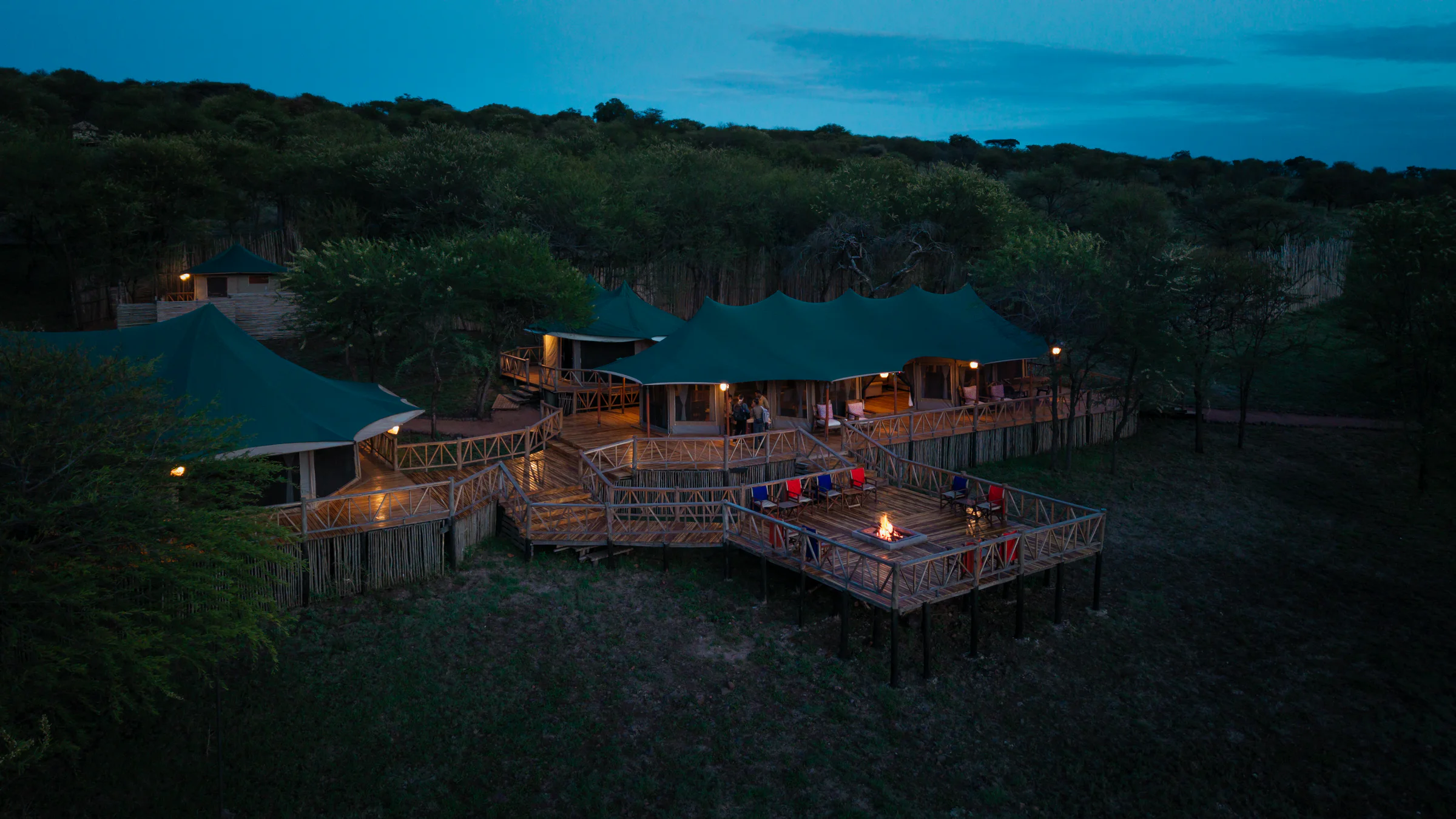
This is the number-one mistake we see at our camps. Guests arrive at the airstrip in Arusha with rigid suitcases that simply will not fit inside a Cessna Caravan. Bush flights across Tanzania enforce a strict 15 kg baggage limit — and that includes your carry-on. Our advice? Use a soft-sided duffel bag, pack layers in neutral colours, and take advantage of the laundry service available at camps like Enkirari Wilderness Camp and Naserian Safari Camp. You will be surprised how little you actually need when you are spending the day in a game vehicle.
A practical packing list for a week-long safari includes two pairs of trousers, three shirts, a fleece layer, a rain jacket, comfortable walking shoes, and sandals for camp. That is it. Resist the urge to pack "just in case" outfits — nobody dresses up for sundowners in the Serengeti.
Mistake 2: Choosing the Wrong Season
Tanzania is a year-round destination, but different seasons deliver dramatically different experiences. The dry season (June to October) offers the best general game viewing because animals concentrate around water sources. The green season (November to May) brings lush landscapes, newborn animals, and lower prices — but also afternoon rain showers and some muddy roads.
If witnessing the Great Migration is your priority, timing matters enormously. The wildebeest herds are typically in the southern Serengeti from December to March for calving season, and they cross the Mara River in the north from July to September. Our Enkutoto Migration Camp is a mobile camp that follows the herds, so it is perfectly positioned no matter when you visit.
The mistake is not choosing green season — it is choosing a season without understanding what it offers. We always encourage guests to match their season to their priorities rather than blindly following "best time to visit" lists online.
Mistake 3: Skipping Tarangire National Park
Almost every first-timer focuses exclusively on the Serengeti and Ngorongoro Crater, which means Tarangire gets left off the itinerary entirely. This is a significant oversight. Tarangire is home to some of the largest elephant herds in East Africa — we are talking groups of 300 or more — and the park's ancient baobab trees create one of the most photogenic landscapes in all of Tanzania.
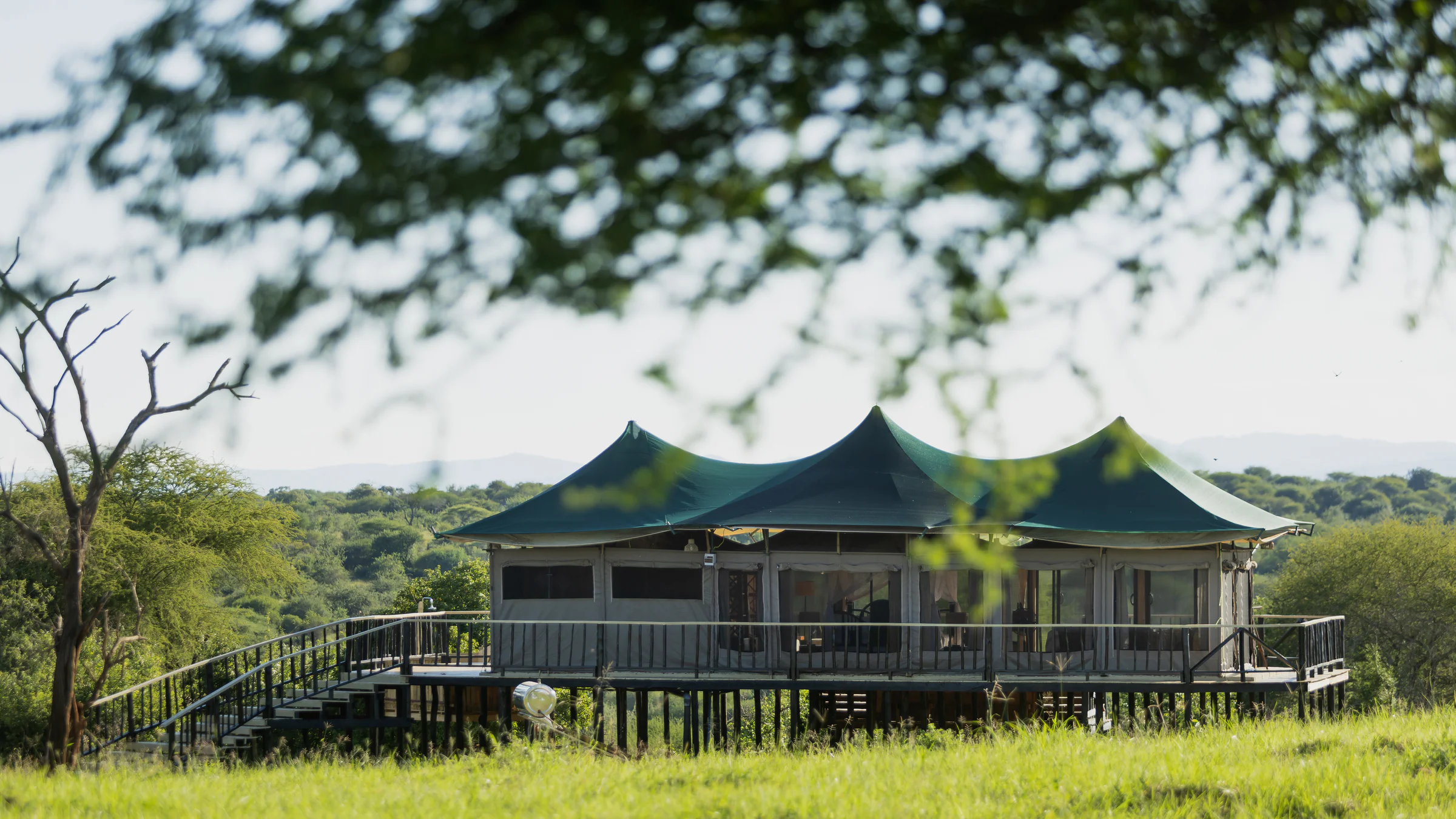
During the dry season, the Tarangire River becomes a lifeline for wildlife, drawing huge concentrations of animals to its banks. We recommend at least two nights at Serian Tarangire Camp (from $221/night), which sits in a prime location overlooking the river valley. The game viewing here can rival the Serengeti, especially from June through October, and it is far less crowded.
Mistake 4: Booking Too Few Days
We understand that time is precious and budgets are real, but trying to see Tanzania in three days is a recipe for disappointment. You will spend most of your time in transit between parks, arrive exhausted at each camp, and barely scratch the surface of what each ecosystem has to offer. A minimum of five days allows you to visit two parks comfortably. Seven days lets you cover the classic northern circuit — Tarangire, Ngorongoro, and the Serengeti — without feeling rushed.
If you can stretch to ten days, you gain the luxury of slow safari mornings, afternoon walks, and the chance to return to a favourite spot when the light is perfect. Our Olkarien Gorge Camp in the Serengeti (from $435/night) is the kind of place where an extra night transforms your experience — the gorge itself reveals new wildlife activity every hour.
Mistake 5: Leaving Binoculars at Home
Your guide will have a pair, but sharing binoculars in a vehicle of four to six guests means you will miss half the action. A good pair of 8×42 or 10×42 binoculars is the single most impactful piece of gear you can bring on safari. They let you watch a leopard groom her cubs from a respectful distance, identify bird species perched high in acacia trees, and spot predators that the naked eye simply cannot detect across the vast Serengeti plains.
You do not need to spend a fortune. Mid-range brands like Vortex or Nikon offer excellent optics for $150 to $300. We always tell guests: if you have to choose between a second camera lens and binoculars, choose the binoculars every time.
Mistake 6: Ignoring Malaria Medication
Tanzania is a malaria zone, full stop. We have seen guests arrive without prophylaxis because they read online that "the risk is low in the dry season" or "the camps are at high altitude." While it is true that Ngorongoro Crater rim sits above 2,000 metres and carries lower risk, the Serengeti, Tarangire, and coastal areas are firmly in the transmission zone. Consult a travel medicine specialist at least six weeks before departure. Common options include Malarone (atovaquone-proguanil), doxycycline, and mefloquine. Your doctor will help you choose based on your medical history.
Beyond medication, practise sensible prevention: wear long sleeves at dusk, use DEET-based repellent, and sleep under the mosquito nets provided at every one of our camps and lodges.
Mistake 7: Unrealistic Photography Expectations
Social media has created a distorted picture of safari photography. Those impossibly sharp, perfectly lit images of a lion mid-roar? They were taken by professionals who spent weeks in the field with $10,000 camera bodies and $15,000 lenses. Your first-time safari photos will be wonderful — but they will look different from what you see on Instagram, and that is perfectly okay.
Our practical advice: bring a camera with at least a 200 mm zoom lens, practise shooting moving subjects before you travel, and put the camera down for at least half of every game drive. The moments you experience with your own eyes — not through a viewfinder — are the ones you will remember decades later. Our guides at Enkirari Wilderness Camp are happy to position the vehicle for the best light and angles.
Mistake 8: Not Booking Direct with a Local Operator
International aggregator websites and large overseas tour companies add significant markups to Tanzania safari packages — sometimes 30 to 50 per cent above what you would pay booking directly with a Tanzania-based operator. Booking direct also gives you far more flexibility to customise your itinerary, swap camps, and adjust dates without layers of middlemen.
At Acacia Collections, we own and operate our camps across the Serengeti, Ngorongoro, Tarangire, and Arusha, which means you deal directly with the people who run the properties. No commissions, no surprises, and genuinely personalised service. Get in touch with our team for a custom quote.
Mistake 9: Forgetting Travel Insurance
A medical evacuation from the Serengeti to Nairobi or Dar es Salaam can cost upwards of $50,000 out of pocket. Trip cancellation, lost luggage, and flight delays add further financial risk. Comprehensive travel insurance that includes emergency medical evacuation is non-negotiable for a safari trip. Companies like World Nomads, Allianz, and IMG Global offer policies specifically designed for adventure travel in Africa.
We recommend purchasing insurance within 14 days of your first trip payment to ensure you qualify for pre-existing condition waivers. Read the policy carefully — not all plans cover safari activities or remote evacuations by default.
Mistake 10: Wearing the Wrong Clothing Colours
Bright white, neon yellow, and electric blue might be fine for a city holiday, but they have no place in the bush. Vivid colours can startle wildlife, attract tsetse flies, and make you stand out uncomfortably in the natural landscape. Stick to neutral tones: khaki, olive, tan, brown, and muted greens. Dark navy and black are acceptable but absorb heat in the midday sun.
Camouflage clothing is technically illegal to wear in Tanzania (it is reserved for the military), so avoid camo patterns entirely. The ideal safari wardrobe is simple: breathable, quick-drying fabrics in earthy colours that let you blend quietly into the environment.
Mistake 11: Not Budgeting for Tips
Tipping is an important part of safari culture in Tanzania, and failing to tip — or tipping too little — is a common faux pas among first-time visitors. Your safari guide, camp staff, and drivers work incredibly hard to make your experience exceptional, often starting before dawn and finishing well after dark.
As a general guideline, we recommend budgeting $15 to $20 per day per guest for your lead guide and $10 to $15 per day per guest for general camp staff (pooled). Tips are typically given in US dollars at the end of your stay. Many guests choose to write a personal note alongside their tip, which our guides genuinely treasure. If you have had an extraordinary experience — a guide who tracked a leopard for two hours or a chef who prepared a bush dinner under the stars — tip accordingly.
Mistake 12: Cramming Too Many Parks into One Trip
Tanzania has sixteen national parks and numerous conservation areas, and the temptation to visit as many as possible is understandable. But hopping between five or six parks in a single trip means you spend more time on dusty roads and airstrips than you do watching wildlife. Each transfer eats into your game-driving time and leaves you fatigued.
Our strong recommendation for a first time safari Tanzania trip: pick two or three parks and spend at least two nights at each. A classic itinerary might include two nights in Tarangire at Serian Tarangire Camp, two nights at Ngorongoro at The Castle at Ngorongoro, and three nights in the Serengeti at Enkirari Wilderness Camp. You will leave feeling immersed rather than exhausted.
Bonus Tips for First-Time Safari Guests
Beyond the twelve mistakes above, here are a few additional pointers that will elevate your trip:
- Arrive a day early in Arusha. Jet lag and long flights take their toll. Spend a night at Acacia Retreat in Arusha (from $140/night) to rest, adjust to the time zone, and enjoy a leisurely dinner before heading into the bush.
- Bring a headlamp. Camps run on solar or generator power, and paths between your tent and the main area are unlit at night.
- Learn a few Swahili words. "Jambo" (hello), "Asante" (thank you), and "Hakuna matata" (no worries) go a long way with staff and locals.
- Carry small US dollar bills. $1 and $5 notes are useful for tips, market purchases, and small favours. Make sure bills are dated 2013 or later — older notes are often refused in Tanzania.
Frequently Asked Questions
What is the biggest mistake first-time safari visitors make?
Overpacking is the most common and most easily prevented mistake. Bush plane baggage limits in Tanzania are strict — typically 15 kg in a soft-sided bag — and arriving with a rigid suitcase can delay your transfer and cause unnecessary stress. Pack light, wear layers, and use the laundry service at camp.
Do I really need malaria medication for a Tanzania safari?
Yes. Tanzania is a malaria-endemic country, and we strongly recommend taking prophylactic medication prescribed by a travel health specialist. Even camps at higher altitudes carry some risk, and prevention is far simpler than treatment. Consult your doctor at least six weeks before travel.
How much should I budget for tips on safari?
We recommend $15 to $20 per guest per day for your safari guide and $10 to $15 per guest per day for camp staff (given as a pooled amount). Tips are customarily given in US dollars at the end of your stay at each camp.
Is Tarangire National Park worth visiting on a first safari?
Absolutely. Tarangire is one of Tanzania's most rewarding parks, with massive elephant herds, stunning baobab landscapes, and far fewer vehicles than the Serengeti or Ngorongoro. We recommend at least two nights to fully appreciate the park, especially during the dry season from June to October.
Can I wear jeans on safari?
Jeans are not ideal for safari. They are heavy, slow to dry if they get wet, and uncomfortable in warm weather. Lightweight, quick-drying trousers in neutral colours (khaki, olive, or tan) are far more practical and comfortable for long days in a game vehicle.
Ready to Plan Your First Tanzania Safari?
Avoiding these twelve mistakes will set you up for an extraordinary first safari experience. Our team has decades of combined experience guiding first-time visitors through Tanzania's most iconic landscapes, and we are here to help you plan every detail — from choosing the right season to selecting the perfect camps.
Contact Acacia Collections today to start planning your first time safari Tanzania adventure. We will build a custom itinerary that matches your interests, budget, and timeline — with none of the rookie mistakes.
Start planning your Tanzania safari
Our safari experts craft personalized itineraries for every interest and budget. Tell us what you are looking for.
Request a Free Quote