While the Serengeti is known to host the largest land animal migration in any part of the world, this expansive landscape is also a great ornithological destination. There are hundreds of unique birds found in the Serengeti National Park and the best part is that bird watching activities are availab...
While the Serengeti is known to host the largest land animal migration in any part of the world, this expansive landscape is also a great ornithological destination. There are hundreds of unique birds found in the Serengeti National Park and the best part is that bird watching activities are available pretty much throughout the year. That being said, September – April are the best times to visit Serengeti for avid birders. Got your binoculars and nature camera ready? Here are a few species to look out for in this fantastic birder’s paradise:
Ostriches: Struthionidae
An Ostrich hatches from a football-sized egg and it is the world’s largest bird usually black and in color. The Ostrich is a flightless resident of the open savannah, and it is common in the southern and northern Serengeti plains.
Ducks: Anatidae
The most common name used for numerous waterfall family Anatidae species which also includes swans and geese is called duck. They are divided among several subfamilies in the family Anatidae. Common ducks found in the Serengeti include white-faced whistling-duck, fulvous whistling-duck, Egyptian goose, knob-billed duck, spur-winged duck, Cape teal, Hottentot teal, Eurasian wigeon, African pygmy-goose, red-billed duck, yellow-billed duck, northern pintail, southern pochard and Maccoa Duck.
Guinea Fowl: Numididae
With a somewhat panicky white-speckled grey bird with a blue head and ivory casque, the helmeted guinea fowl can be found in the Serengeti, and the similar crested guinea fowl with blackhead feathers is also a localized resident.
Pheasants, Grouse, and Allies: Phasianidae
Francolins are the African equivalent of chickens and pheasants and dozens of this plump game-bird species have been recorded in the Serengeti. Recorded birds include the Harlequin quail, scaly francolin, Hildebrandt’s francolin, yellow-necked francolin, gray-breasted francolin, crested francolin, coqui francolin, red-winged francolin, and Shelley’s francolin.
Flamingos: Phoenicopteridae
A type of wading bird in the Phoenicopteridae family, Flamingos are ranked amongst East Africa’s most popular avian attractions. They can mostly be found in the southern Serengeti plains, Ndutu area, northern Serengeti and the Serengeti Grumeti Area.
Grebe: Podicipedidae
Closely related to the loon, the grebes are any family of swimming and diving birds but different from other waterfowl such as swans, geese, duck, and loons. The grebes are more able to swim in water than they walk on land and they use their wings to propel themselves underwater in order to get their food. The little grebe, great crested grebe, and the eared grebe can be found here.
Pigeons and Doves: Columbidae
Stout-bodied birds with short necks and short slender bills, the Columbidae is a bird family that constitutes the doves and pigeons. They feed on seed, fruits, and plants, and the dove ranks among the definitive sounds of the African bush. The rock pigeon, speckled pigeon, dusky turtle-dove, laughing dove, emerald-spotted wood-dove, tambourine dove, Namaqua Dove, and African green-pigeon can be found in the Serengeti plains.
Kori Bustard: Otididae
Kori bustard is the world’s heaviest flying bird with brown wings, prominent backward crest, speckled white belly, and a ponderous gait.
Sandgrouse: Pteroclidae
Sandgrouse is any of the 16 species of birds of African or Asian deserts and they have grey or brown plumage, pointed wings, short legs, and a pin-like central tail feather. They are known to fly swiftly and walk rapidly. The Chestnut-bellied sandgrouse, yellow-throated sandgrouse, and the black-faced sandgrouse can be found in the southern Serengeti plains, Ndutu area, northern Serengeti and the Grumeti region.
Cuckoos: Cuculidae
The cuckoos are highly vocal but equally ventriloquial, and most of them are unlikely to be seen unless actively sought. The cuckoos are also among the most familiar sounds of the African bush. The red-chested cuckoo, black cuckoo, common cuckoo, African cuckoo, black coucal, white-browed cuckoo, pied cuckoo, levaillant’s cuckoo, great spotted cuckoo, Klay’s cuckoo, African emerald cuckoo, and the Diderick cuckoo can be found in the southern Serengeti plains, Ndutu area, and northern Serengeti areas.
Storks: Ciconiidae
The eight stork species in Tanzania include the three migrants, notably the Eurasian variety. A handsome pied giant with a red and yellow bill called the saddle-billed stork is a stronghold in the Serengeti. The African openbill, black stork, Abdim’s stork, woolly-necked stork, white stork, marabou stork, and the yellow-billed stork can also be found in the southern Serengeti plains, Ndutu area, northern Serengeti and the Grumeti Area.
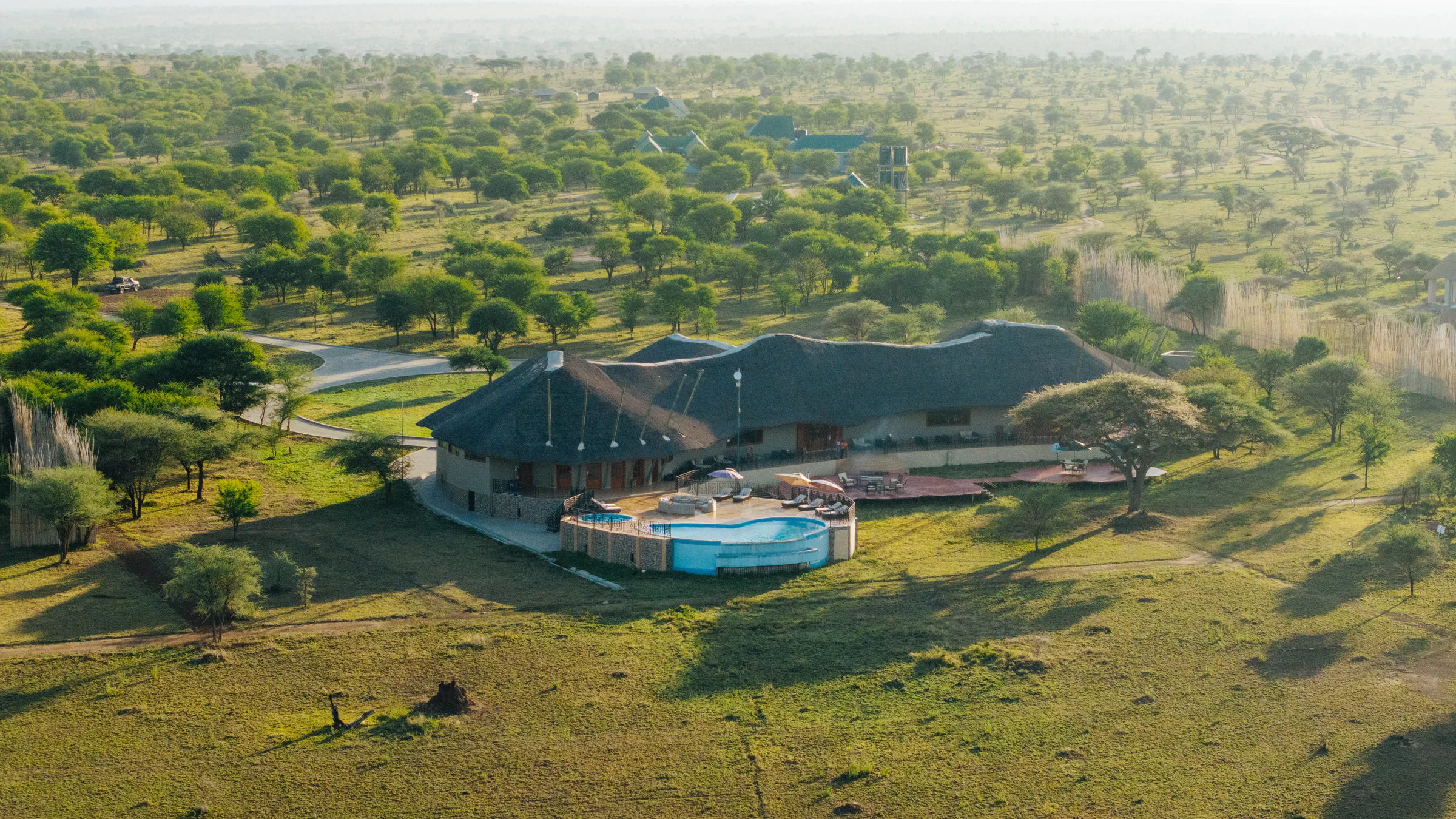
If you are looking to visit the Serengeti to catch a glimpse of what the birder’s paradise has to offer, then it’s best to choose a Serengeti wildlife camp where it is easier to spot birds even from inside your tent. Book your Serengeti birding experience with us today.
Start planning your Tanzania safari
Our safari experts craft personalized itineraries for every interest and budget. Tell us what you are looking for.
Request a Free Quote