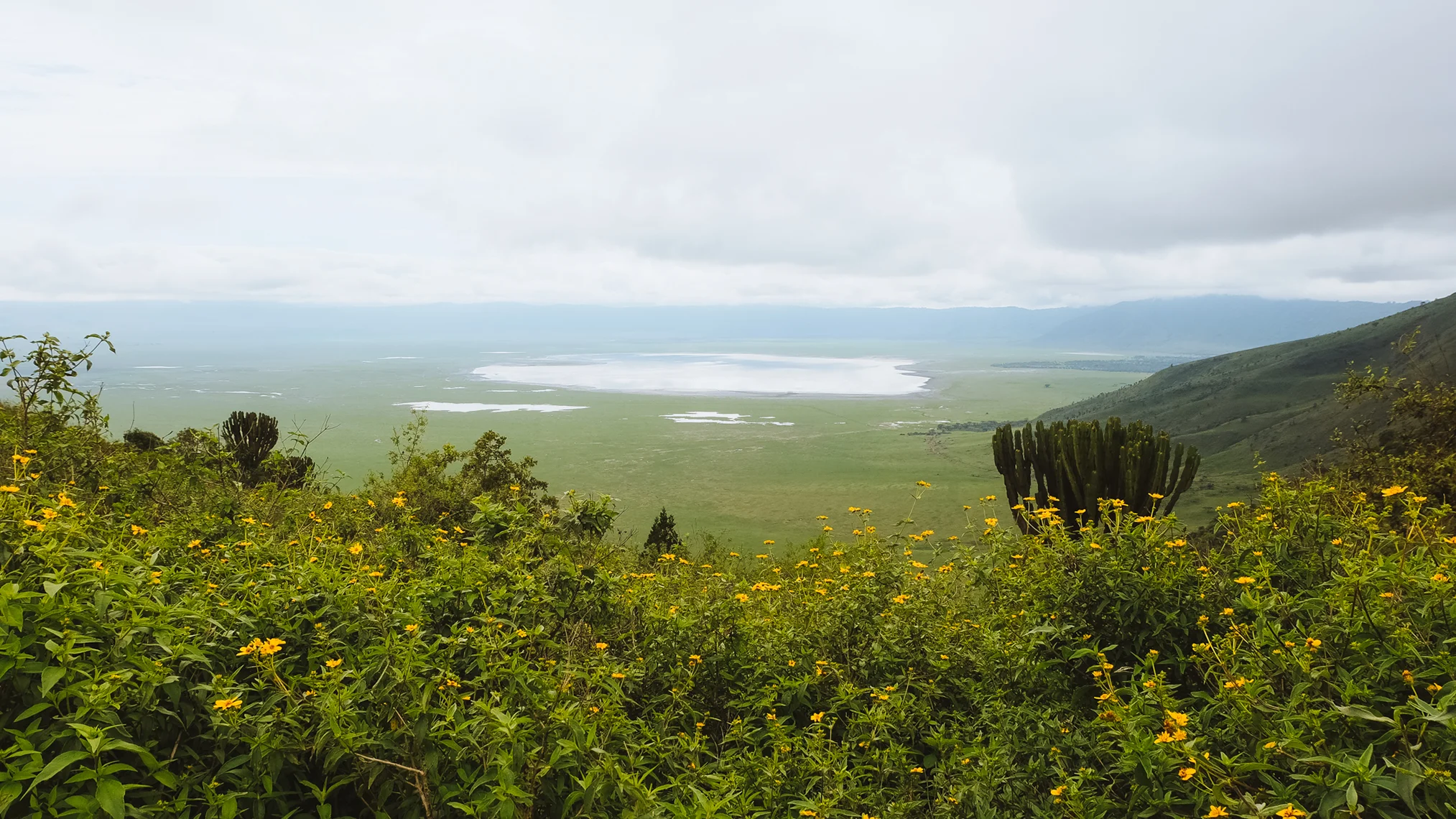
The Ngorongoro Crater is one of the most extraordinary wildlife destinations on Earth—not just because of the animals it hosts, but because of how it came to exist. Over two million years ago, a massive volcano in northern Tanzania erupted and then collapsed inward, forming a vast caldera nearly 20 ...
The Ngorongoro Crater is one of the most extraordinary wildlife destinations on Earth—not just because of the animals it hosts, but because of how it came to exist. Over two million years ago, a massive volcano in northern Tanzania erupted and then collapsed inward, forming a vast caldera nearly 20 kilometers wide. Today, that caldera—commonly referred to as the Ngorongoro Crater—is the heart of the Ngorongoro Conservation Area and a UNESCO World Heritage Site. It is one of the few places in the world where you can see all of Africa’s “Big Five” animals in a single day, within the walls of a long-extinct volcano.
But what exactly are the Big Five?
Originally coined by colonial-era big-game hunters, the “Big Five” referred not to size but to how difficult and dangerous these animals were to hunt on foot. The group includes the lion, leopard, elephant, buffalo, and black rhinoceros. In today’s conservation-driven context, they are no longer trophies, but symbols of African wilderness and icons of safari lore—often at the top of every wildlife enthusiast’s must-see list.
Ngorongoro’s appeal lies in how it compresses this Big Five safari dream into a single, driveable ecosystem. The crater floor, covering just over 260 square kilometers, is home to a dense concentration of wildlife that live year-round in this natural enclosure, formed by steep crater walls that rise up to 600 meters high.
Can You See All Big Five in One Day?
Yes, and that’s part of Ngorongoro’s legendary status. It is one of the only places in Africa where this is realistically possible in a single game drive. Unlike the Serengeti, where large distances often separate species, Ngorongoro’s compact terrain allows for close tracking of multiple animals in a single circuit. That said, not every sighting is guaranteed. The elusive leopard and the highly protected black rhino are not always cooperative—but the odds here are far better than in most parks.
Best Time to Spot the Big Five in Ngorongoro
Ngorongoro is a year-round safari destination, and wildlife doesn’t migrate in and out the way it does in places like the Serengeti. Both the dry season (June–October) and the green/rainy seasons (November–May) offer excellent opportunities.
- Dry season offers clearer views, shorter grass, and easier spotting of animals from a distance. It’s also cooler and drier—ideal for comfort and photography.
- Rainy season transforms the landscape into a lush, green bowl. Though some tracks can be muddy, it’s calving season, which draws predators and increases activity.
Both seasons are worth experiencing. Just note that fog and drizzle on the crater rim are common, especially in the early morning—no matter the season.
How Long Do You Need?
Most travelers spend one full day in the crater, often descending early in the morning and exiting by mid-afternoon. Due to Ngorongoro’s rules, you’re allowed only one descent per day per vehicle, so planning is crucial.
For Big Five seekers:
- One day is enough for a chance to see them all, but…
- Two days allows a slower pace and better odds for those elusive sightings like leopards or rhinos
What to Expect: Distance and Viewing Experience
While you can see all the Big Five in Ngorongoro, the experience is not always up-close. This isn’t like private conservancies where you can off-road and follow animals closely. In Ngorongoro:
- Off-roading is not allowed, to protect the fragile ecosystem.
- Rhinos are often seen from a distance due to conservation protections.
- Leopards tend to stay hidden or perched in the forests on the crater slopes.
That said, lions, elephants, and buffalo are often encountered at surprisingly close range, especially near water sources and grazing areas.
The Big Five: Safari Icons of Ngorongoro, One by One
Here’s a quick trivia-style overview of each species before we get into where and how to find them:
Lions in Ngorongoro
Status in Ngorongoro:
Lions are the most commonly seen of the Big Five in the crater. They are often found lying in the open grasslands or near waterholes, particularly in the early morning and late afternoon when they are most active. Ngorongoro supports several prides, many of which are accustomed to safari vehicles, allowing for excellent sightings at relatively close range.
What They Do All Day:
Lions spend most of the day resting—up to 20 hours—especially during the heat of midday. They become active around dawn and dusk, when the temperatures are cooler and hunting is more efficient. You might see them stalking prey, feeding on a kill, or grooming and socializing within their pride.
Predators and Prey:
Adult lions have no natural predators, but cubs are vulnerable to hyenas, leopards, and even other lions during territorial disputes. They primarily hunt wildebeest, zebra, and buffalo, using coordinated group tactics.
Fun Fact:
Male lions in Ngorongoro are notable for their dark, full manes—an indicator of maturity and strength, which plays a role in attracting mates and asserting dominance.
Elephants in Ngorongoro
Status in Ngorongoro:
Elephants are frequently seen in and around the crater, though most sightings on the floor are of older bull elephants. Family herds with females and calves tend to stay higher up along the forested crater rim where there is more cover and food. Ngorongoro’s bulls are famous for their size, often displaying massive tusks.
What They Do All Day:
Elephants spend much of their day feeding and slowly moving between grazing sites and water sources. They are highly intelligent and often engage in social behaviors like dust bathing, play-fighting, and gently interacting with one another using trunks and rumbles.
Predators and Prey:
Elephants are herbivores and have no natural predators as adults. Calves can be vulnerable to lions or hyenas if separated from the herd, but this is rare inside Ngorongoro due to the crater’s visibility and compact size.
Fun Fact:
The bulls that live inside the crater tend to live alone or in loose bachelor groups and are known to be very calm around vehicles—offering great photographic moments.
Buffalo in Ngorongoro
Status in Ngorongoro:
African buffalo are abundant and often seen in large herds, particularly in wetter areas like Ngoitokitok Springs and around the Mandusi Swamp. You’ll also spot solitary bulls, sometimes nicknamed “retired generals,” grazing alone or in small bachelor groups.
What They Do All Day:
Buffalo spend their day grazing on the lush grasses of the crater floor and wallowing in mud during warmer hours to cool down and deter parasites. They are social animals and highly protective of their young—often forming defensive formations when threatened.
Predators and Prey:
Though herbivores, buffalo are far from passive. Lions are their primary predators, but taking down an adult buffalo requires coordinated effort and risk. Herds have been known to fight back—chasing off or even killing lions.
Fun Fact:
Buffalo have excellent memories and strong herd instincts, which make them particularly dangerous when cornered. Their unpredictable temperament is one reason why they were included in the original “Big Five.”
Black Rhinoceros in Ngorongoro
Status in Ngorongoro:
Ngorongoro is one of the last strongholds for wild black rhinos in Tanzania, with a small, highly protected population roaming the crater floor. They are usually seen in the open plains or near the Lerai Forest, often alone or in mother-calf pairs.
What They Do All Day:
Black rhinos are browsers, feeding on bushes and low-hanging shrubs rather than grass. They are mostly solitary and often rest in the open during the day but become more active during early morning and late afternoon.
Predators and Prey:
They have no natural predators besides humans. Due to their endangered status, rhinos in Ngorongoro are under 24/7 surveillance by armed rangers, and off-road driving is strictly forbidden to avoid disturbing them.
Fun Fact:
Despite their bulky size and poor eyesight, black rhinos are fast and agile—capable of running up to 55 km/h (34 mph) and known to charge when startled.
Leopard in Ngorongoro
Status in Ngorongoro:
Leopards are the most elusive of the Big Five and are rarely seen on the crater floor. They are more often spotted in the forested crater rim or camouflaged in thickets on the slopes. Their shy, solitary nature and excellent camouflage make them a rare but thrilling sighting.
What They Do All Day:
Leopards are mainly nocturnal and crepuscular, meaning they are most active at dawn and dusk. During the day, they tend to rest in trees or dense vegetation, sometimes draping their bodies over branches to nap.
Predators and Prey:
Leopards are ambush predators, feeding on smaller antelope, baboons, warthogs, and even birds. They’re occasionally harassed by hyenas or lions, especially if caught near a kill.
Fun Fact:
Leopards often drag their prey up trees to protect it from scavengers—a behavior rarely witnessed but often visible through careful tracking of tree lines.
Best Times and Places to See the Big Five in Ngorongoro
What You Should Know Before Visiting Ngorongoro Crater
Before heading into one of Africa’s most iconic wildlife destinations, here are a few important things to keep in mind:
Crater Entry is Limited and Regulated
- You’re only allowed one crater descent per vehicle per day, so timing matters—most people descend early in the morning.
- Game drives inside the crater typically last 4–6 hours before heading back to the rim or next destination.
Park Fees Are High
- Entrance fees and crater descent fees are separate and can add up quickly.
- These are typically included in your safari package if booked through an operator.
No Self-Driving in the Crater Floor
- While you can self-drive in some parks, you must be with a licensed guide/vehicle to descend into the crater.
- Roads are clearly marked; off-roading is strictly prohibited.
No Overnight Stays Inside the Crater
- All accommodations are on or near the crater rim, not inside the crater floor.
- Camping is only permitted at designated public or special-use campsites along the rim.
It Gets Cold
- The crater sits at over 2,200 meters (7,200 ft) elevation. Mornings are misty and chilly—even during dry season.
- Bring warm layers, especially if staying at rim camps or doing early game drives.
Connectivity is Limited
- Don’t expect strong phone signal or Wi-Fi inside the crater. It’s a place to disconnect and focus on the experience.
Wildlife Is Wild
- The crater is not fenced; animals roam freely—even near campsites. Never walk alone at night.
- Stay in your vehicle at all times during game drives unless told otherwise by your guide.
Bring Binoculars and Zoom Lenses
- Some sightings, especially rhinos and leopards, happen at a distance. A good pair of binoculars or a 200mm+ lens makes a big difference.
Seeing the Big Five in Ngorongoro
Ngorongoro Crater isn’t just one of the best places in Africa to see the Big Five—it’s one of the most unique landscapes on Earth. The steep crater walls, self-contained ecosystem, and dense wildlife population make it a place where you don’t just witness nature—you feel immersed in it.
Yes, you can see all five in a single day. But beyond the checklist, Ngorongoro offers something deeper: the thrill of spotting a rhino across a misty plain, the quiet power of an old bull elephant moving alone, or the raw tension of lions scanning herds at sunrise. Whether it’s your first safari or your fifth, a day in Ngorongoro always leaves a lasting mark.
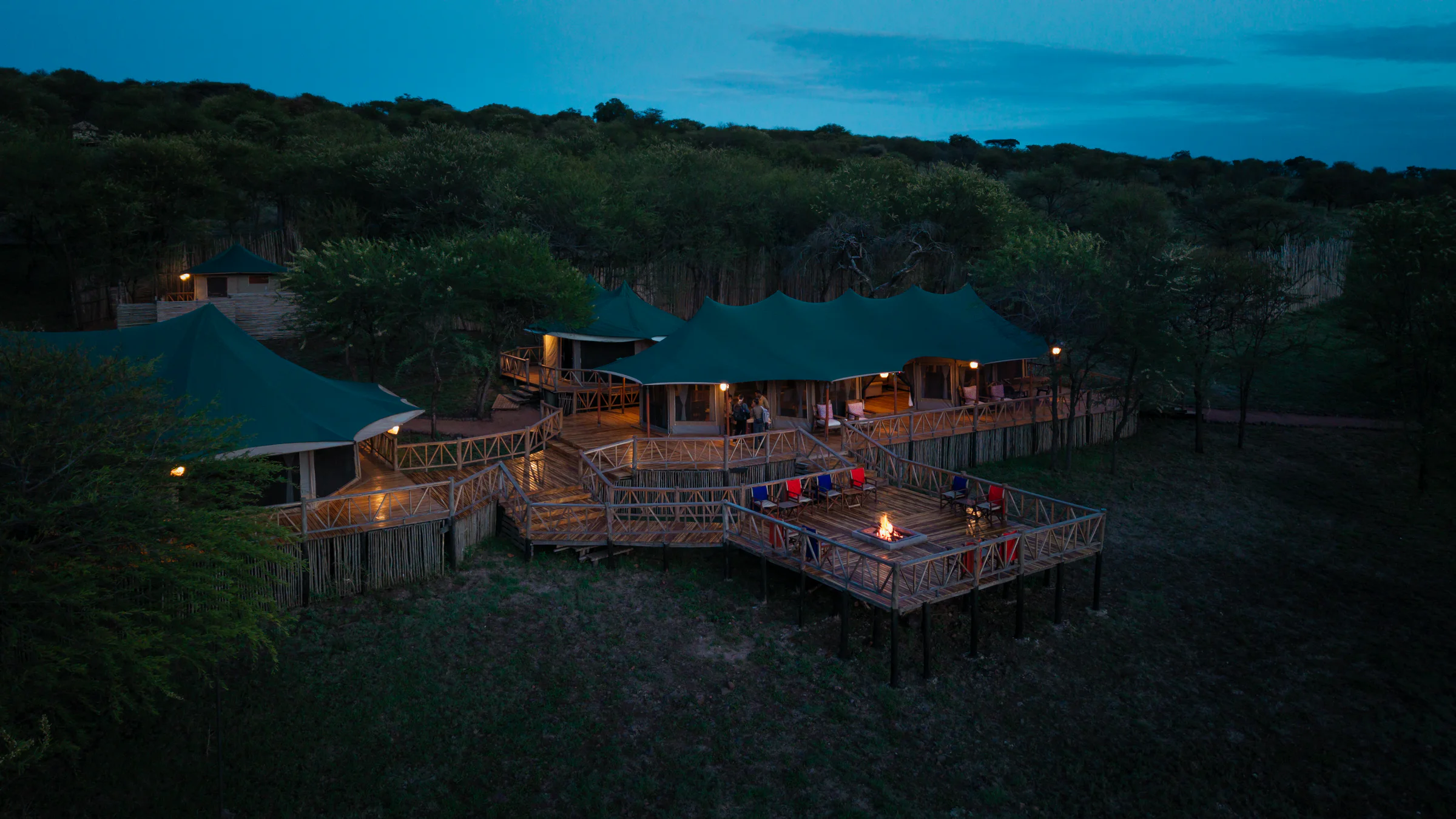
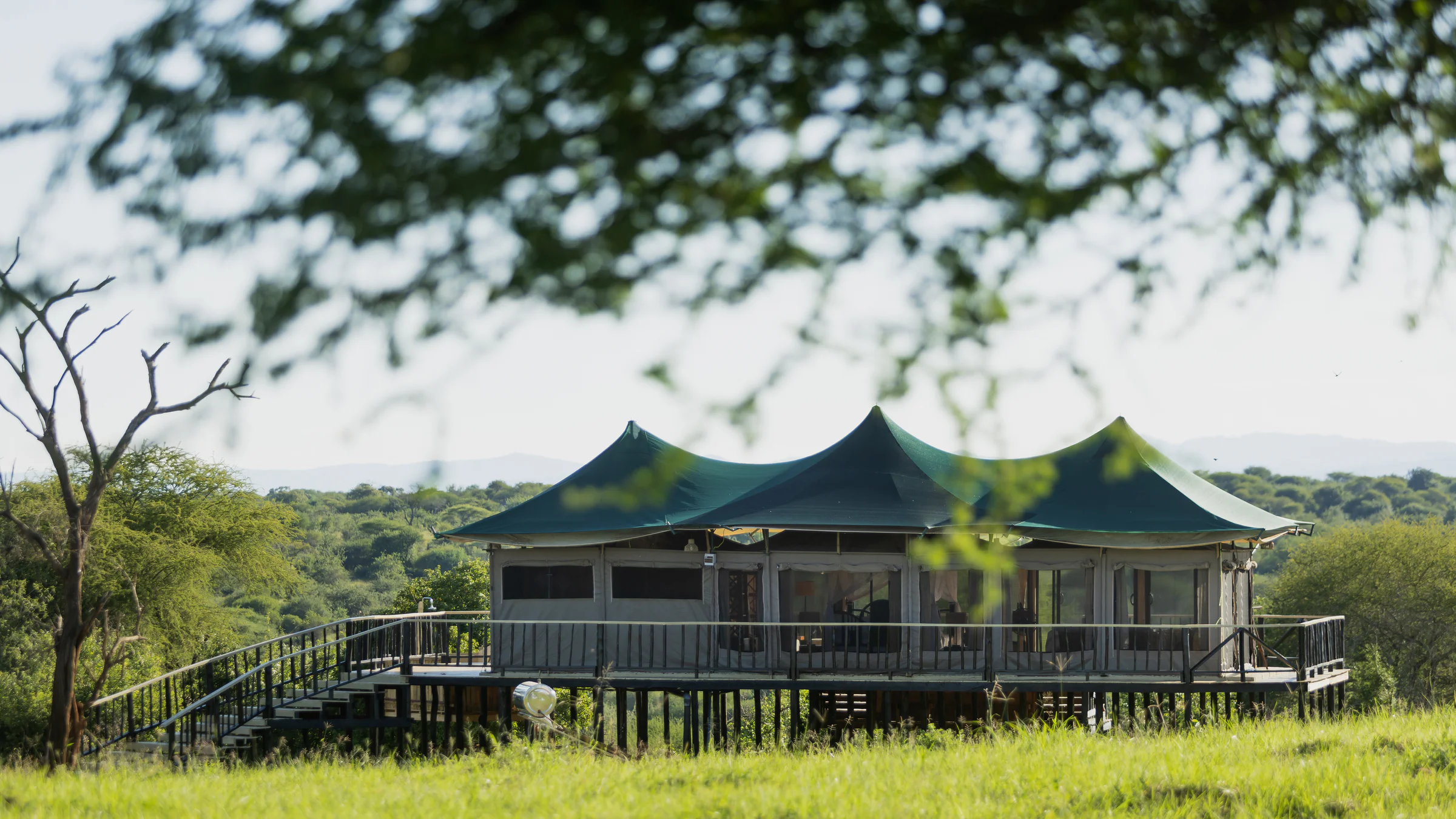
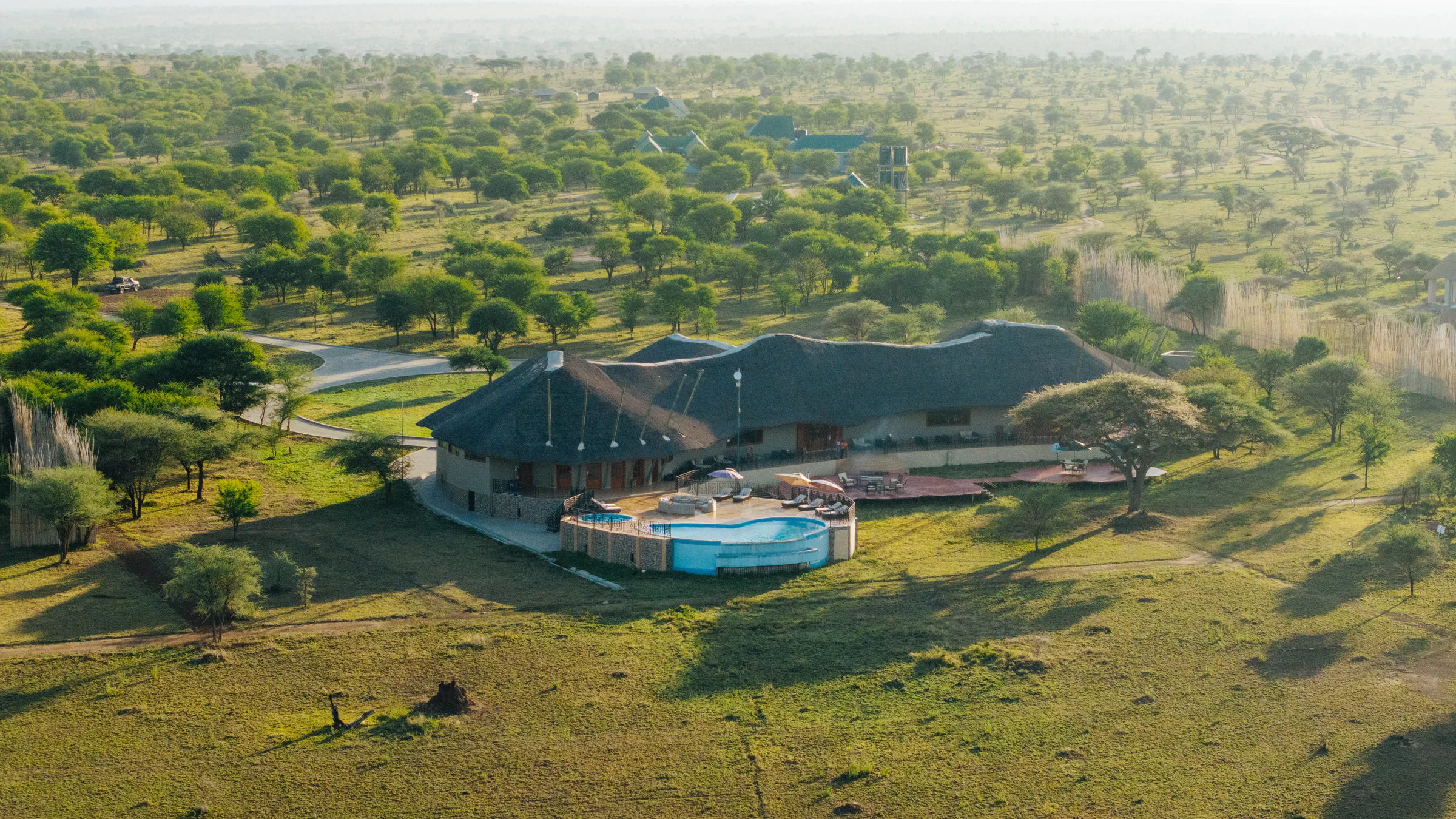
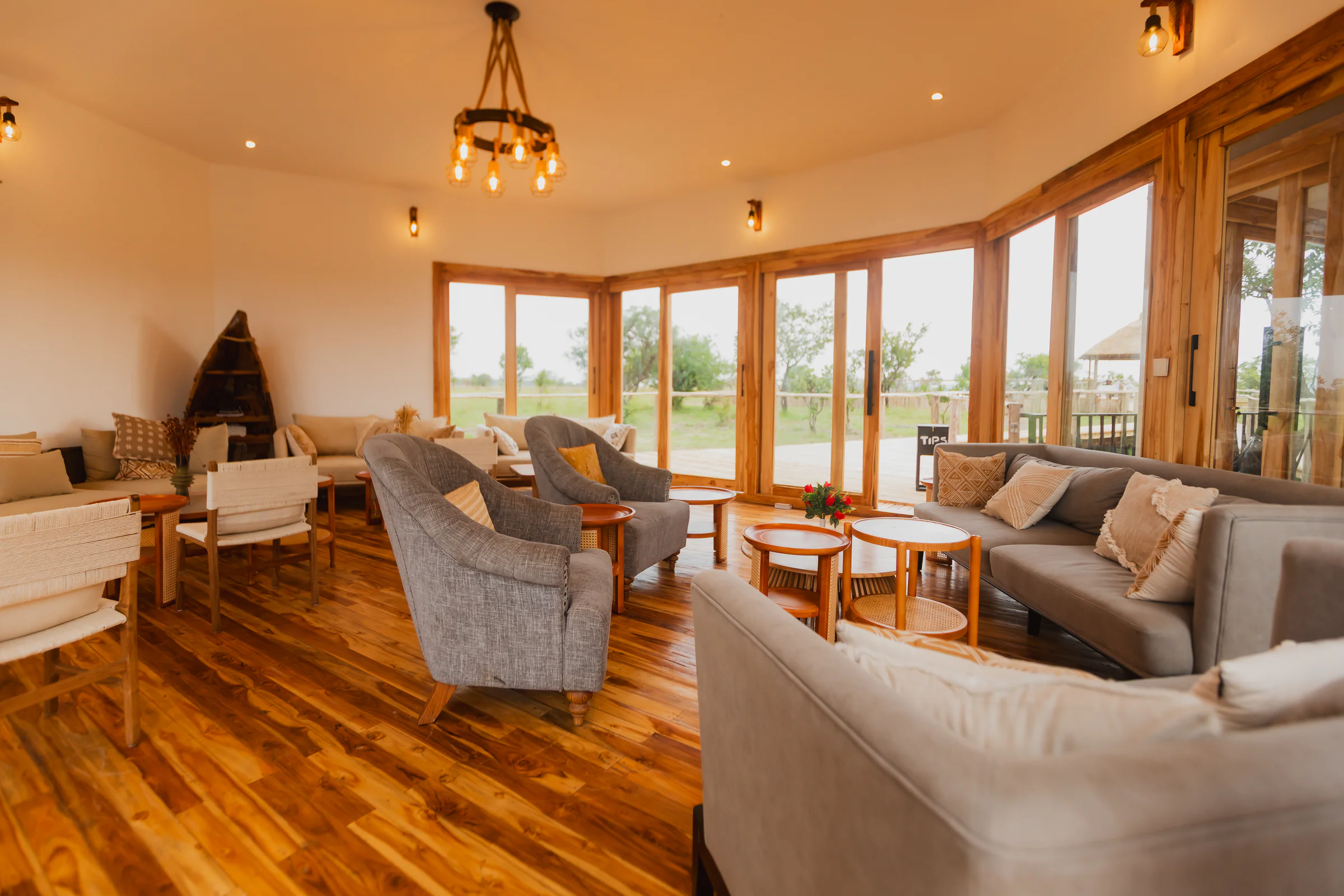
And after a day exploring the crater floor, the experience doesn’t end there. Acacia’s The Castle at Ngorongoro offers a warm, character-filled base just minutes from the crater gate—perfect for early starts and restful evenings. For those continuing into the Serengeti, Naserian Safari Camp provides a seamless transition, with comfort, privacy, and access to the migration corridors.
Go with curiosity, patience, and the right guide—and the crater will do the rest.
Start planning your Tanzania safari
Our safari experts craft personalized itineraries for every interest and budget. Tell us what you are looking for.
Request a Free Quote