f you’ve never been to East Africa before, planning a safari can feel like entering a completely different travel world—especially when it comes to accommodation. This isn’t like booking a hotel in Rome or Paris. In Tanzania, where and how you stay is not just a matter of comfort—it’s directly tied ...
f you’ve never been to East Africa before, planning a safari can feel like entering a completely different travel world—especially when it comes to accommodation. This isn’t like booking a hotel in Rome or Paris. In Tanzania, where and how you stay is not just a matter of comfort—it’s directly tied to your overall safari experience.
Why You Can’t Just “Book a Room” Like You Do in the West
In Europe or the U.S., the process is familiar:
Book a hotel on Booking.com, check the reviews, grab a cab from the airport, check in, and go out for dinner. But on a Tanzanian safari, things work differently.
Here’s why:
- Safari camps and lodges are located in remote wildlife areas, often hours away from the nearest town or airport. They’re built inside or very close to national parks where the priority is immersion in nature—not convenience.
- There are no taxis or public buses to take you to your accommodation. These places are only accessible by 4×4 vehicles arranged by the camp or your safari operator. Some require light aircraft flights to airstrips, followed by guided transfers to camp.
- You don’t go all the way to the Serengeti just for a place to sleep. These accommodations include more than a room—they’re full-service safari hubs that typically include:
Game drives with professional guides
All meals (since there are no nearby restaurants)
Bush experiences like sundowners, walking safaris, or village visits
Coordination of national park entry and permits
- Game drives with professional guides
- All meals (since there are no nearby restaurants)
- Bush experiences like sundowners, walking safaris, or village visits
- Coordination of national park entry and permits
That’s why you rarely see true safari camps on Booking.com. These stays are better booked as part of a complete safari itinerary, either through a tour operator or directly with the lodge (if it includes all the necessary logistics).
Who You Book Through Matters (A Lot)
In a city, choosing a hotel is mostly about amenities. On safari, it’s about function, safety, and the logistics behind the experience.
You generally have two ways to book your stay:
1. Through a Tour Operator
Most travelers—especially first-timers—go this route, and for good reason.
Tour operators like Gosheni Safaris coordinate everything from start to finish:
- Airport pickups
- Route planning across multiple parks
- Lodge bookings matched to your route
- Game drives, park entry, and even domestic flights
Why this matters:
- You avoid mismatches in travel timing (e.g., arriving late at a park gate that closes at 6pm)
- You don’t need to worry about who’s guiding you or how you’ll get from one park to the next
- Operators often get preferential rates and access to in-demand camps during migration or calving season
> Best for: Multi-park safaris, first-time visitors, families, and those who want a stress-free experience
2. Direct Booking with a Camp or Lodge
Some properties, like Acacia Collections, allow you to book directly—especially useful if you’re visiting one park and already have flights arranged. Acacia has camps across Tarangire, Ngorongoro, and Serengeti, and their teams can arrange single-park or multi-park safaris, complete with game drives, transfers, and internal logistics.
But be cautious:
- Booking “just the room” often does not include transport, park fees, or safari activities
- You’ll need to ensure you’ve arranged pickup from the nearest airstrip, especially if you’re flying in
> Best for: Return visitors, people familiar with Tanzania, or those planning a shorter safari in one location
East African Safari Stays vs. Hotels in Europe or the U.S.
The difference isn’t just about location—it’s about expectations.
In the West, hotel selection is driven by proximity to attractions, room ratings, amenities like gyms or rooftop bars. But in East Africa:
> Safari accommodations are experience-driven, not amenity-driven.
Here’s how they differ:
How close it is to wildlife
This is everything. The best tented camps are located within prime wildlife-viewing zones, allowing you to catch sightings directly from your tent or start game drives at first light. Proximity = better sightings and less travel fatigue.
The quality of the guides
A great guide can turn a quiet drive into a rich learning experience. Camps and lodges vary in the training, experience, and language skills of their guiding teams. In East Africa, guiding is a craft—and some properties are known for nurturing excellent talent.
The logistics
This includes the ease of:
- Transfers to/from the airstrip or gate
- Timing game drives with park opening hours
- Managing park fees, concession charges, and government levies
- Good lodges or operators take care of all of this in advance so your safari runs smoothly.
The environment and setting
Each park offers different ecosystems—savannahs, forests, crater walls, or river corridors. Choose accommodation that aligns with the type of landscape and wildlife you want to experience.
Understanding the Types of Safari Accommodation in Tanzania
Tented Camps
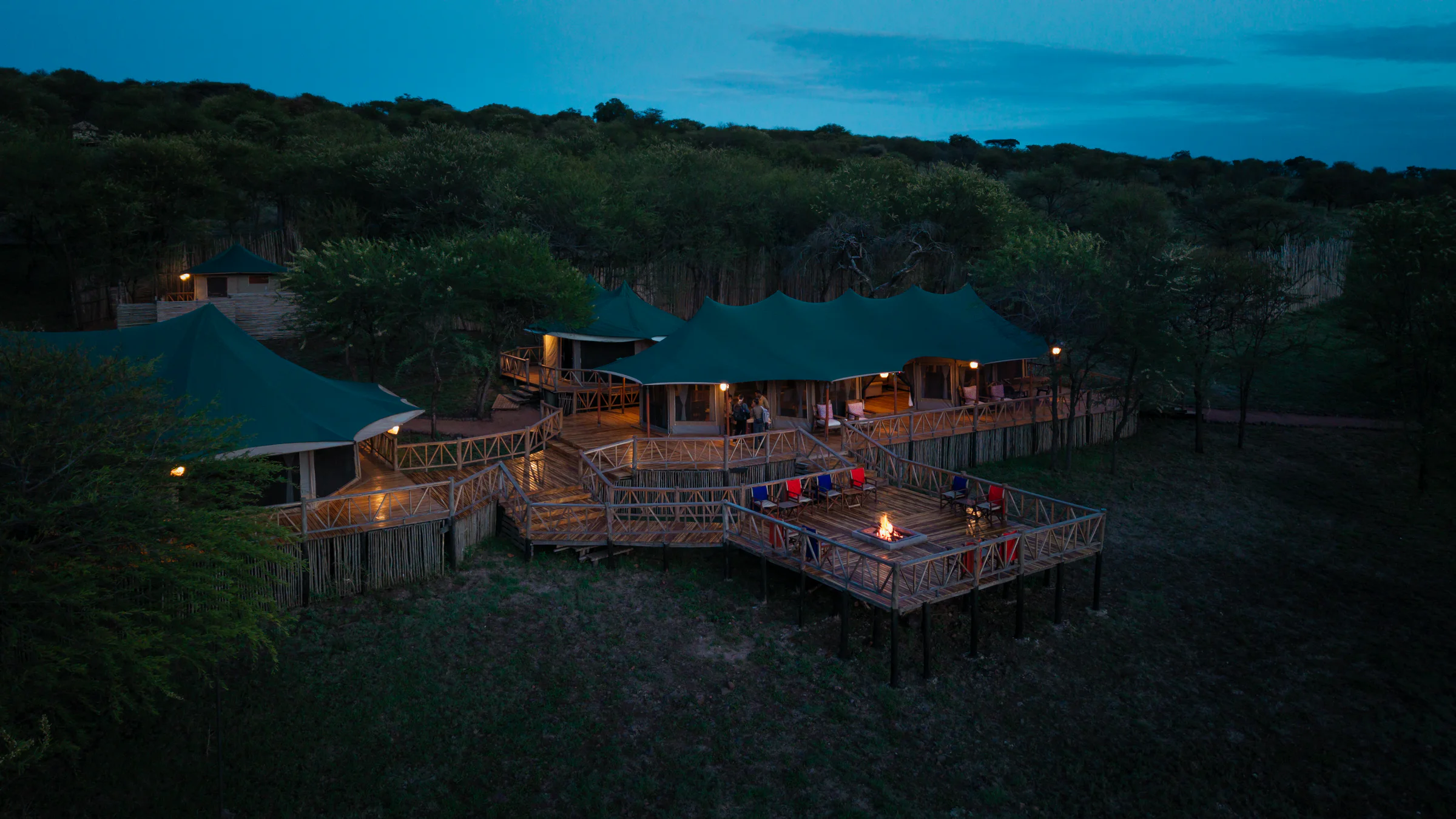
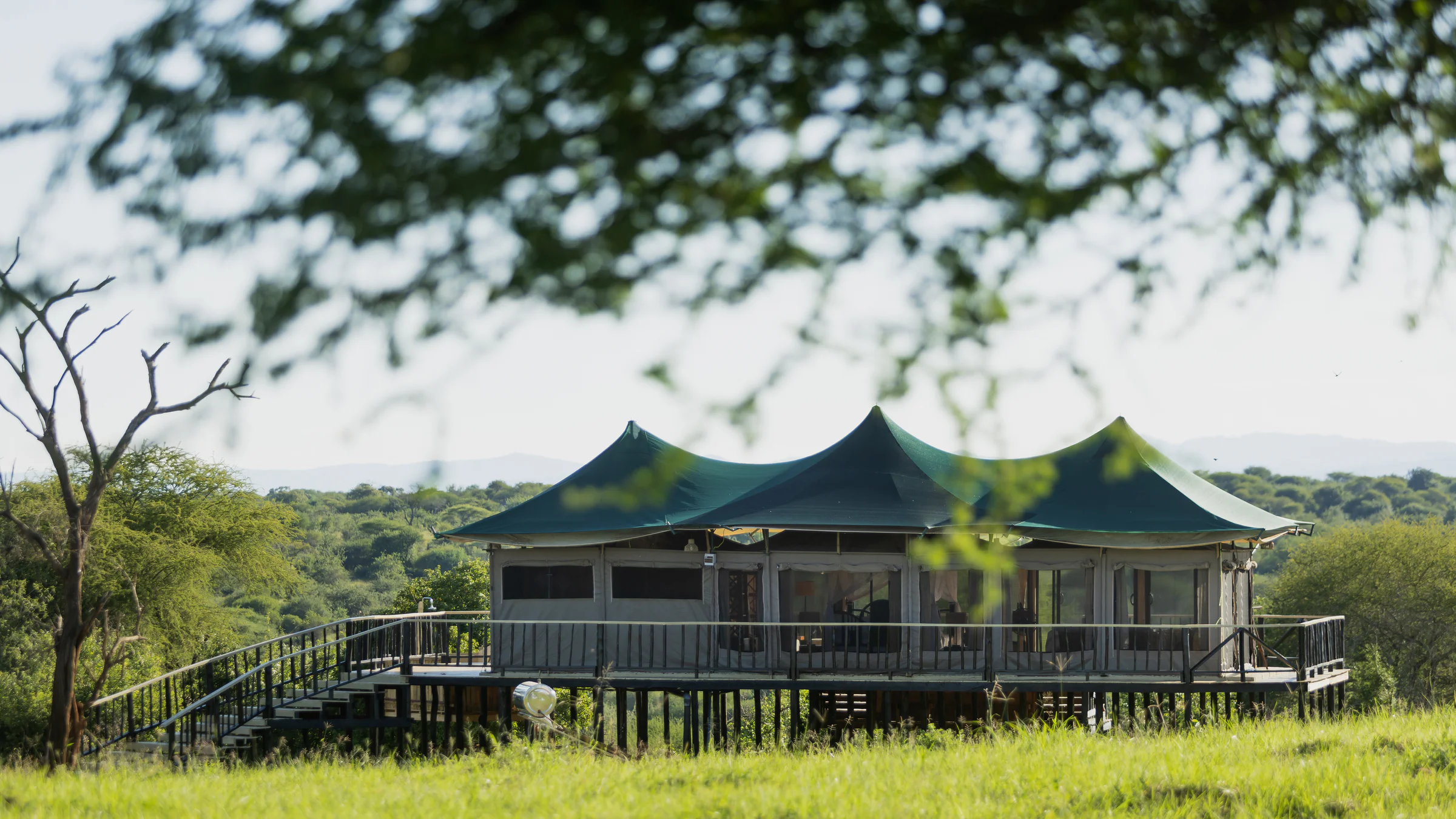
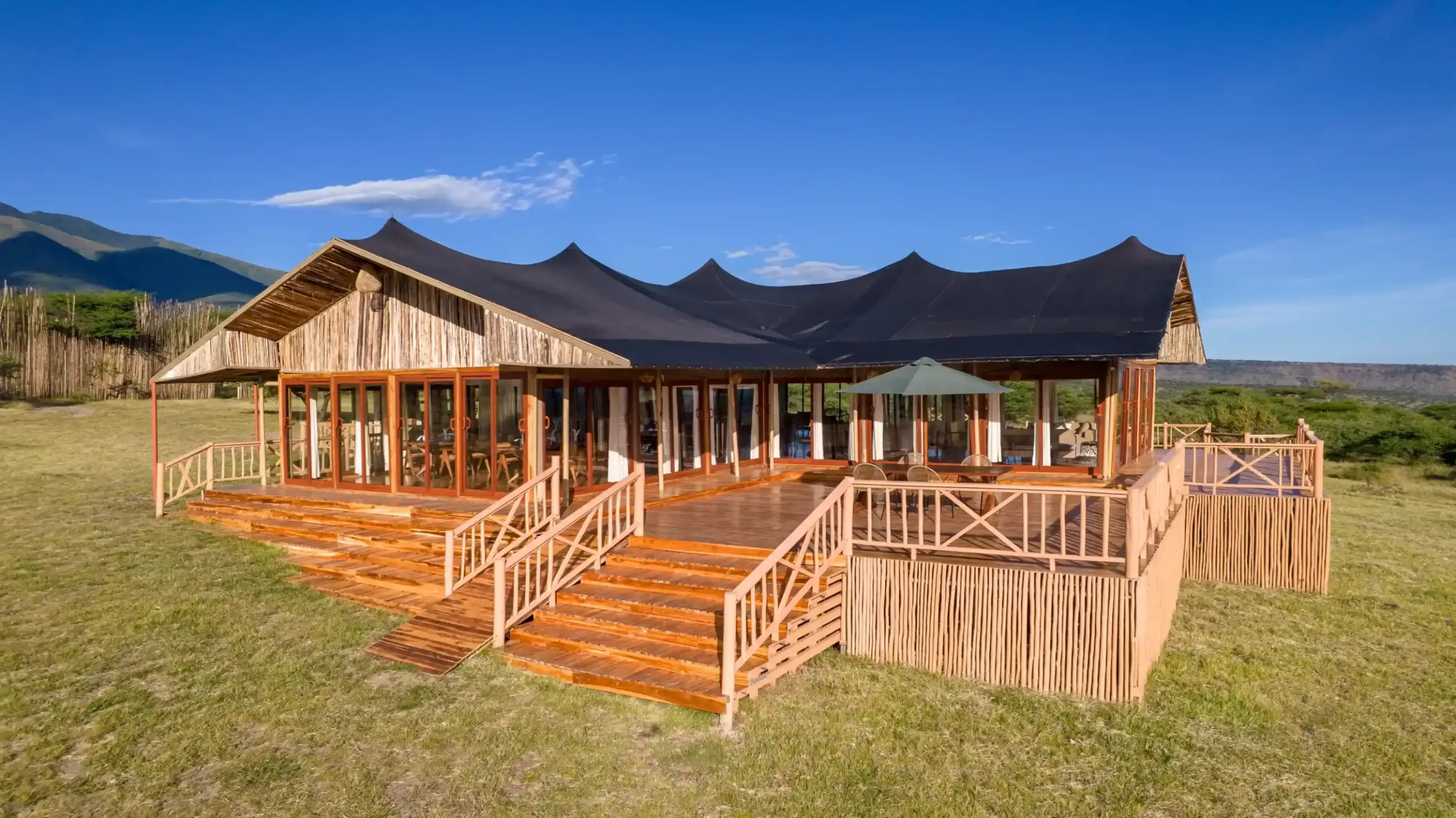
Don’t let the word “tent” mislead you. These are safari tents built for comfort and immersion, often with en-suite bathrooms, wooden decks, and proper beds. You’ll hear wildlife at night and enjoy meals around a fire or in a mess tent. Some are mobile (following the migration), others are semi-permanent.
Safari Lodges
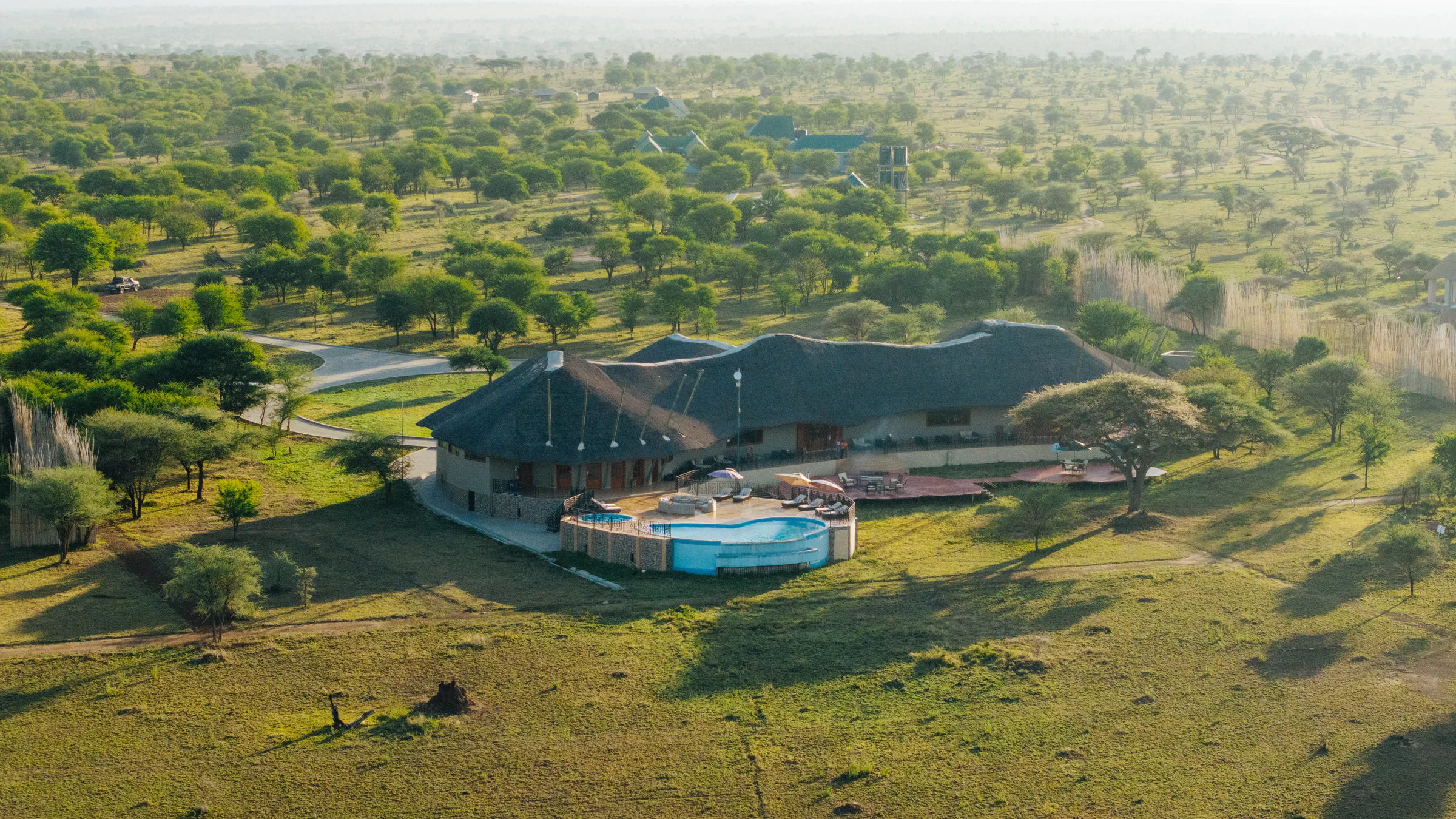
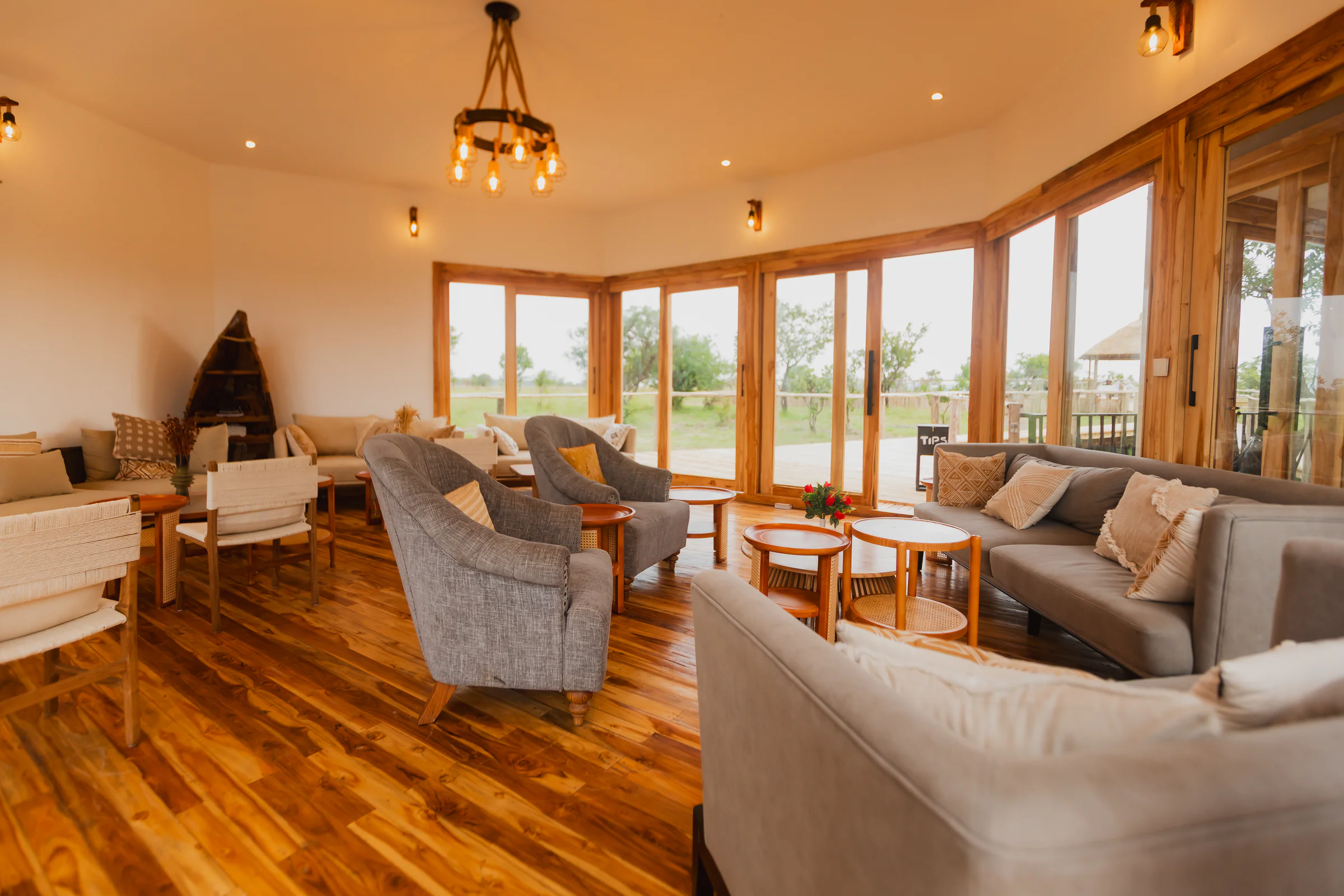
Permanent structures with hotel-like amenities, often located just outside park gates or crater rims. Ideal for those who want a balance of comfort, structure, and solid walls. Good for families or travelers who prefer conventional comforts like Wi-Fi or air conditioning.
Guesthouses & Transit Hotels
Located in towns like Arusha, Moshi, or Karatu. These are great for arrival and departure nights. Comfortable, budget-friendly, and practical—but not part of the actual safari.
Beach Resorts
In Zanzibar, Mafia Island, or Pangani, you’ll find resorts ranging from barefoot luxury to five-star villas. These are often used as post-safari wind-downs and booked as part of a combination itinerary.
How to Choose What’s Right for You
Here’s how to think about your options based on your needs:
- Doing a multi-park safari? → Book through a tour operator who can coordinate a complete route, accommodation, and internal flights.
- Visiting just one park? → You can book directly with a camp like Acacia that offers safari packages and transfers.
- On a tighter budget? → Consider staying outside park boundaries, but factor in longer drives and separate park fees.
- Want full immersion? → Choose a tented camp inside the park and stay at least 2–3 nights to enjoy the rhythm of the wild.
- Prefer modern amenities or more structure? → Opt for a lodge or camp with permanent facilities, especially near Ngorongoro or Tarangire.
- Looking for quiet or fewer crowds? → Explore Southern and Western Tanzania (Ruaha, Nyerere, Mahale), where tourism is lighter but wildlife is spectacular.
Final Word: You’re Not Booking a Room—You’re Booking an Experience
In Tanzania, your accommodation is more than a place to sleep. It’s your base for exploring, your dining room under the stars, your morning wake-up to the sound of hooves or birdsong.
That’s why choosing the right accommodation is choosing your safari experience.
Whether you book through a trusted operator or directly with a brand like Acacia Collections—which has properties across multiple key parks—you’re not just buying a room. You’re buying coordination, access, expertise, and a smoother journey.
And that can make all the difference between simply visiting Tanzania—and experiencing it.
Start planning your Tanzania safari
Our safari experts craft personalized itineraries for every interest and budget. Tell us what you are looking for.
Request a Free Quote