Real, practical advice for first-time safari-goers — the stuff guidebooks skip. From etiquette to expectations to the things that will genuinely surprise you.
First Time on Safari? 15 Things Nobody Tells You
Every travel guide covers the obvious: bring binoculars, wear neutral colors, don't forget sunscreen. Here's the stuff they don't mention — the real, practical insights that will actually prepare you for your first African safari.
1. You'll Spend More Time Looking Than Seeing
Safari isn't a drive-through zoo. On a 5-hour game drive, you might spend 3 hours scanning empty bush, 45 minutes watching a distant herd, and 15 minutes in a heart-stopping close encounter. That ratio is normal — and the scanning is part of the experience. Your eyes get trained. By day 3, you'll spot animals your guide misses.
2. The Wake-Up Call Is Brutal
Game drives start early — often 5:30 or 6:00 AM. This isn't optional; dawn is when predators are active and the light is magical. You'll stumble to the vehicle in the dark, wrapped in a fleece, wondering why you paid for this. By the time you see your first lion in the golden morning light, you'll understand.
After 2–3 days, your body adjusts. Safari is one of the few holidays where you naturally fall asleep at 9 PM and wake at 5 AM feeling great.
3. Dust Gets Everywhere
We mean everywhere. In your camera bag, in your ears, in pockets you didn't know existed. The fine red-brown dust of East Africa is relentless, especially in the dry season.
Coping strategies: - Bring a camera dust cover or ziplock bags - Wear a buff/gaiter as a dust mask on rough roads - Wet wipes are your best friend - Accept it. Dust is the scent of safari.
4. The Silence Is Deafening (In the Best Way)
No traffic. No notifications. No background noise. Just wind, birdsong, and distant animal calls. Many first-time safari guests say the silence was the most unexpected and powerful part of the experience.
If you're coming from a major city, the first night in camp may feel almost unsettling. By night two, you won't want to leave.
5. You Will Not Get Eaten
First-timers sometimes lie awake hearing every rustle outside the tent, convinced a lion is about to come through the canvas. Here's the reality: animals almost never approach tents. Camps are designed with safety in mind, and staff monitor wildlife movements throughout the night.
That said, you will probably hear animals. Hippos grazing near camp, hyenas whooping in the distance, and elephants rumbling past — these nighttime sounds are part of the experience. You're safe. Enjoy it.
6. The Big Five Aren't Always the Highlight
Every first-timer arrives focused on the Big Five checklist: lion, leopard, elephant, rhino, buffalo. You'll probably see most of them. But the moments that stay with you are often smaller:
- A dung beetle rolling a perfect sphere twice its size
- Hundreds of flamingos lifting off a soda lake in unison
- A baby elephant learning to use its trunk
- A lilac-breasted roller catching the morning light
Stay open to the small stuff. It's often the best stuff.
7. Your Guide Is Everything
The difference between a good and great safari is almost entirely down to your guide. A skilled guide reads animal behavior, anticipates action, positions the vehicle for light and angle, and narrates the ecology in a way that makes everything meaningful.
Don't be shy about asking questions. Good guides love explaining what they're seeing. "Why did that impala just snort?" "What's the hierarchy in this lion pride?" "Why do zebras stand head-to-tail?" Every question unlocks a layer of understanding.
8. Game Drive Etiquette Matters
A few unwritten rules: - Stay in the vehicle unless your guide says otherwise. Standing up in the vehicle alters its silhouette and can spook animals. - Keep your voice low at sightings. Whisper if possible. Sound travels far in the bush. - Don't direct the driver ("Get closer!"). Your guide knows the safe distances. Trust them. - Never feed animals. Not even that cute vervet monkey eyeing your sandwich. - Don't use flash photography. It disturbs nocturnal animals and annoys other guests.
9. Camp Life Is Better Than You Expect
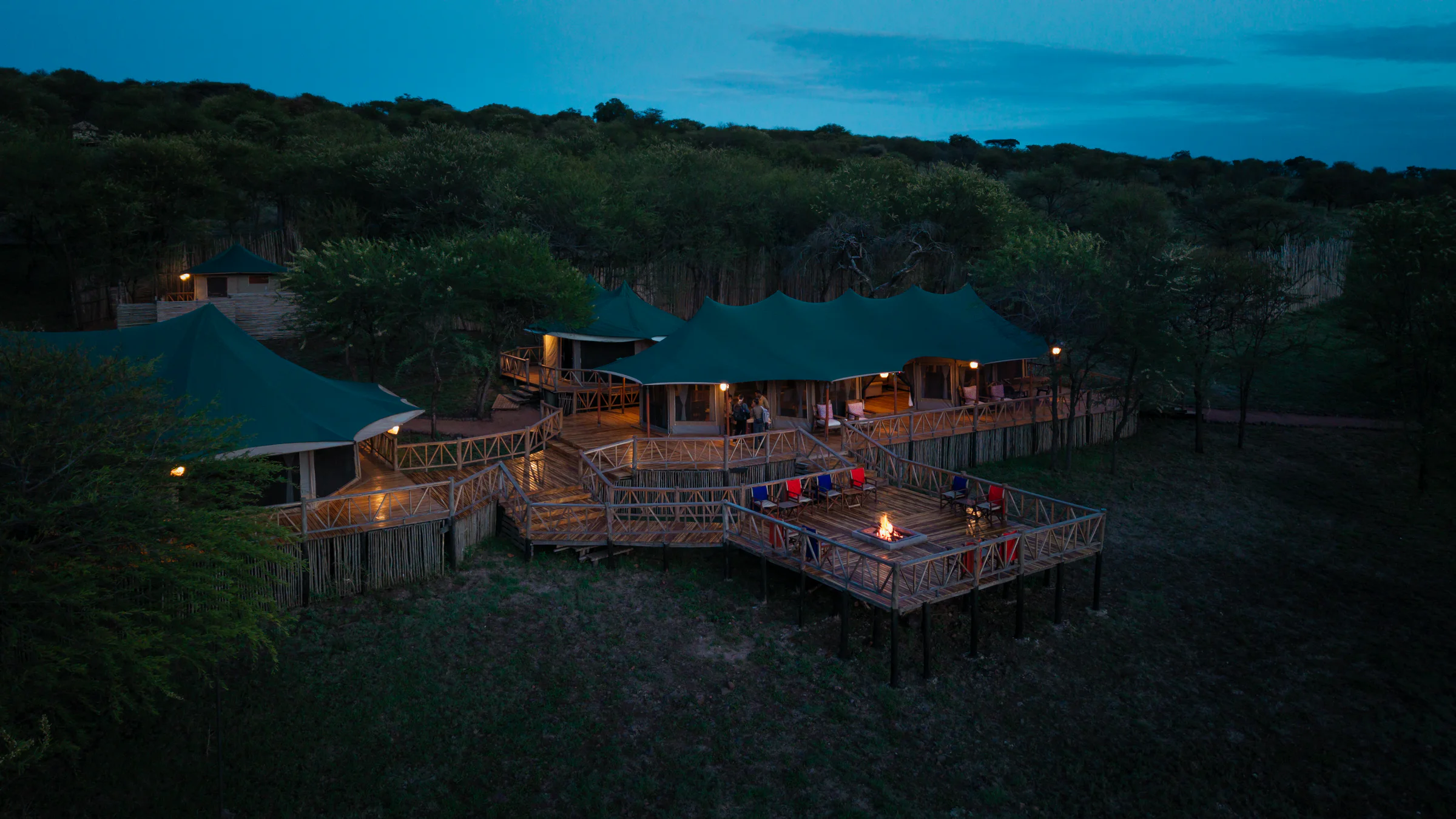
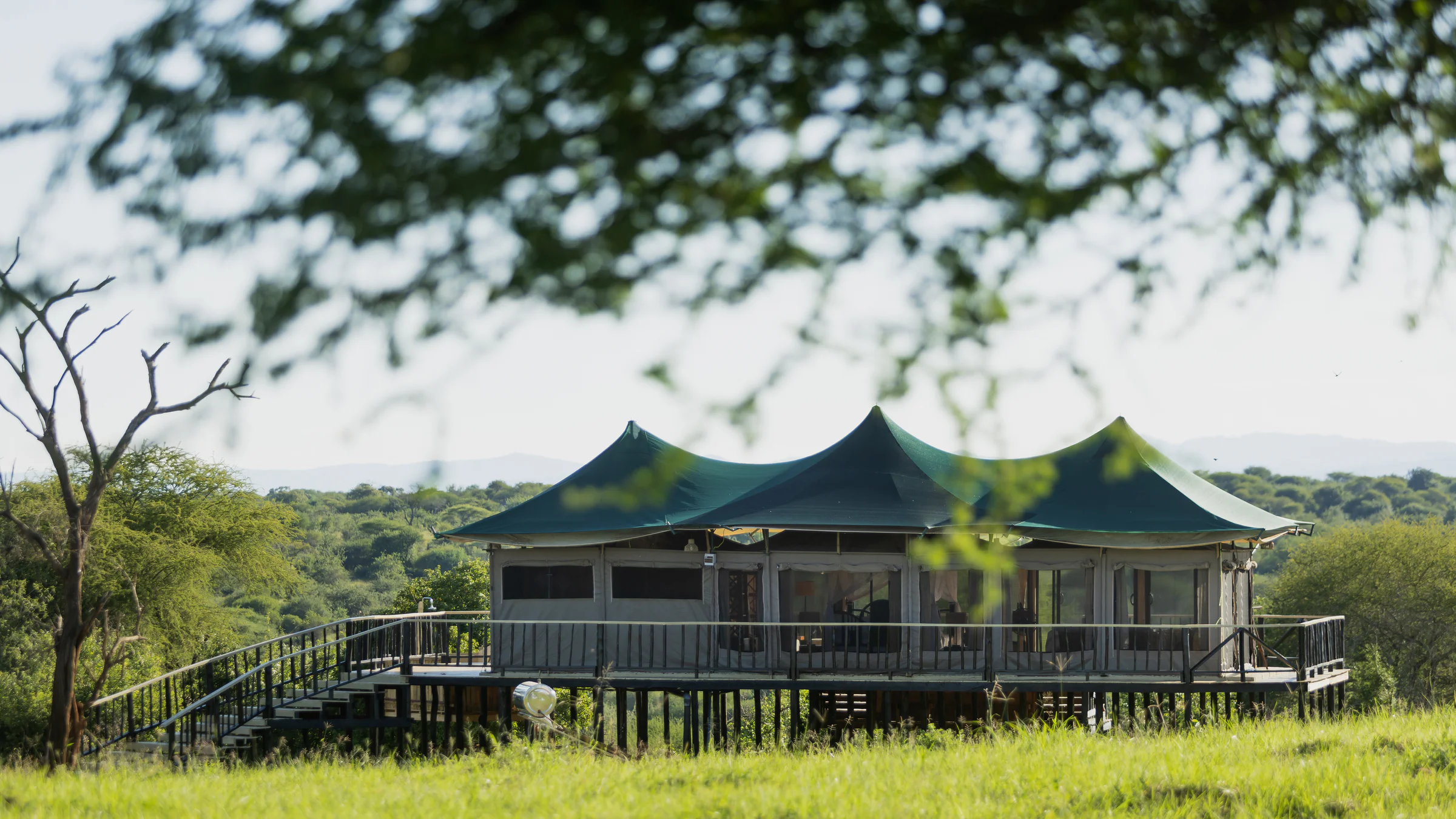
Safari camps — even mid-range ones — are far more comfortable than most people expect. Hot showers (yes, really), proper beds, excellent food, cold drinks at sunset. Many first-timers are genuinely surprised by the level of comfort available in the middle of the wilderness.
Evenings in camp are special: dinner under the stars, campfire storytelling with your guide, and the sounds of the African night. Don't retreat to your tent immediately after dinner — linger.
10. You'll Delete 90% of Your Photos
Everyone goes shutter-crazy on the first day. You'll take 500 photos of a distant zebra that you'll never look at again. By day 3, you'll be more selective — waiting for better light, better composition, better moments.
Tip: Take a few photos, then put the camera down and just watch. The memory of being there is more vivid than any photograph.
11. The Night Sky Will Stun You
Most safari camps are far from any light pollution. On a clear night, you'll see the Milky Way with a clarity that most people have never experienced. The Southern Cross. The Magellanic Clouds. Jupiter's moons through binoculars.
If your camp offers a stargazing session, take it. If not, just step outside your tent before bed and look up.
12. Tipping Culture Is Real
Safari staff — guides, camp crew, cooks, housekeeping — earn modest wages. Tips make a meaningful difference to their livelihoods. The general guidelines:
- Guide: $15–25/person/day
- Camp staff (pooled): $10–20/person/day
- Leave in envelopes: Most camps provide tip envelopes
Bring USD in small denominations ($1, $5, $10, $20). Notes should be post-2013 series (older notes are often rejected in East Africa).
13. You Might Cry
This sounds dramatic, but it happens more often than you'd think. There's something about witnessing a wildebeest crossing, or a sunset over the Serengeti plains, or a mother cheetah teaching her cubs to hunt, that short-circuits the rational brain and goes straight to something deeper.
Don't be embarrassed. Your guide has seen it before.
14. You'll Want to Come Back
Almost everyone who goes on safari says the same thing: "I need to come back." The first trip opens a door. You'll leave with a list of things you didn't see (the leopard that eluded you, the calving season you missed, the walking safari you didn't have time for) and a pull to return.
Safari isn't a one-and-done experience. It's the beginning of a relationship.
15. It Changes How You See the World
This is the big one. After spending days in an ecosystem where humans are visitors and animals live on their own terms, your perspective shifts. You become more aware of natural rhythms, more connected to the environment, more conscious of conservation.
Many guests return from safari with a renewed sense of what matters. That's not hyperbole — it's the most common feedback we receive.
Ready for your first safari? Explore our camps and lodges or talk to our team about building your perfect first-time itinerary. We'll make sure you're prepared for all 15 of these — and everything else.
Have a question we didn't cover? Get in touch — our team loves helping first-timers plan their dream safari.
Related Articles
Start planning your Tanzania safari
Our safari experts craft personalized itineraries for every interest and budget. Tell us what you are looking for.
Request a Free Quote