Packing for your first Tanzania safari? This practical guide covers everything you need — from clothing and camera gear to health essentials and what your camp already provides.
You have booked your safari, your flights are confirmed, and now comes the question that keeps every first-time visitor up at night: what do I actually pack?
After welcoming thousands of guests at our camps across the Serengeti, Ngorongoro, Tarangire, and Arusha, we have seen every packing triumph and every packing disaster. This is the list we wish every guest had before arriving.
The Golden Rule: Pack Light, Pack Smart
Before we get into specifics, here is the most important advice: less is more. Safari vehicles and bush flights have strict luggage limits, and you will not need half of what you think.
- Use a soft-sided duffel bag — not a hard-shell suitcase. Bush flights and safari vehicles cannot accommodate rigid luggage. A 50–60 litre duffel is ideal.
- Weight limit: 15–20 kg (33–44 lbs) including your carry-on. This is strictly enforced on charter flights.
- Bring a small daypack for game drives to carry your camera, water, sunscreen, and binoculars.
Tip: Your camp provides daily laundry service, so you do not need a fresh outfit for every day. Pack for 3–4 days and re-wear.
Clothing: What to Wear on Safari
The Northern Circuit spans from the Serengeti plains (hot and dry) to the Ngorongoro Crater rim (cool and misty). You need layers that work across both.
Colours That Work
Stick to neutral, earthy tones: khaki, olive, tan, beige, brown, and grey. These colours blend with the bush and do not attract insects. Avoid:
- Bright white — shows dust within minutes and can startle wildlife
- Dark navy or black — attracts tsetse flies
- Bright red or blue — also attracts tsetse flies and stands out against the landscape
- Camouflage patterns — these are reserved for the military in Tanzania and could cause problems at checkpoints
Your Safari Wardrobe
| Item | Quantity | Notes |
|---|---|---|
| Lightweight long-sleeve shirts | 2–3 | Sun and mosquito protection. Cotton or moisture-wicking. |
| Short-sleeve shirts or t-shirts | 2–3 | For warm afternoons at camp. |
| Lightweight long trousers | 2 | Zip-off styles are practical. Avoid jeans — heavy and slow to dry. |
| Shorts | 1–2 | For relaxing at camp. Not ideal for game drives (sun exposure). |
| Warm fleece or softshell jacket | 1 | Essential. Early morning drives start at 6 AM and can be very cold, especially at Ngorongoro (2,200m elevation). |
| Lightweight rain jacket | 1 | Compact and packable. Useful year-round for unexpected showers. |
| Comfortable walking shoes | 1 pair | Closed-toe, broken-in. Hiking-style trainers or light boots. |
| Sandals or flip-flops | 1 pair | For around camp and the swimming pool. |
| Socks | 4–5 pairs | Wool-blend or moisture-wicking. Avoid cotton — it stays damp. |
| Underwear | 4–5 | Quick-dry materials preferred. |
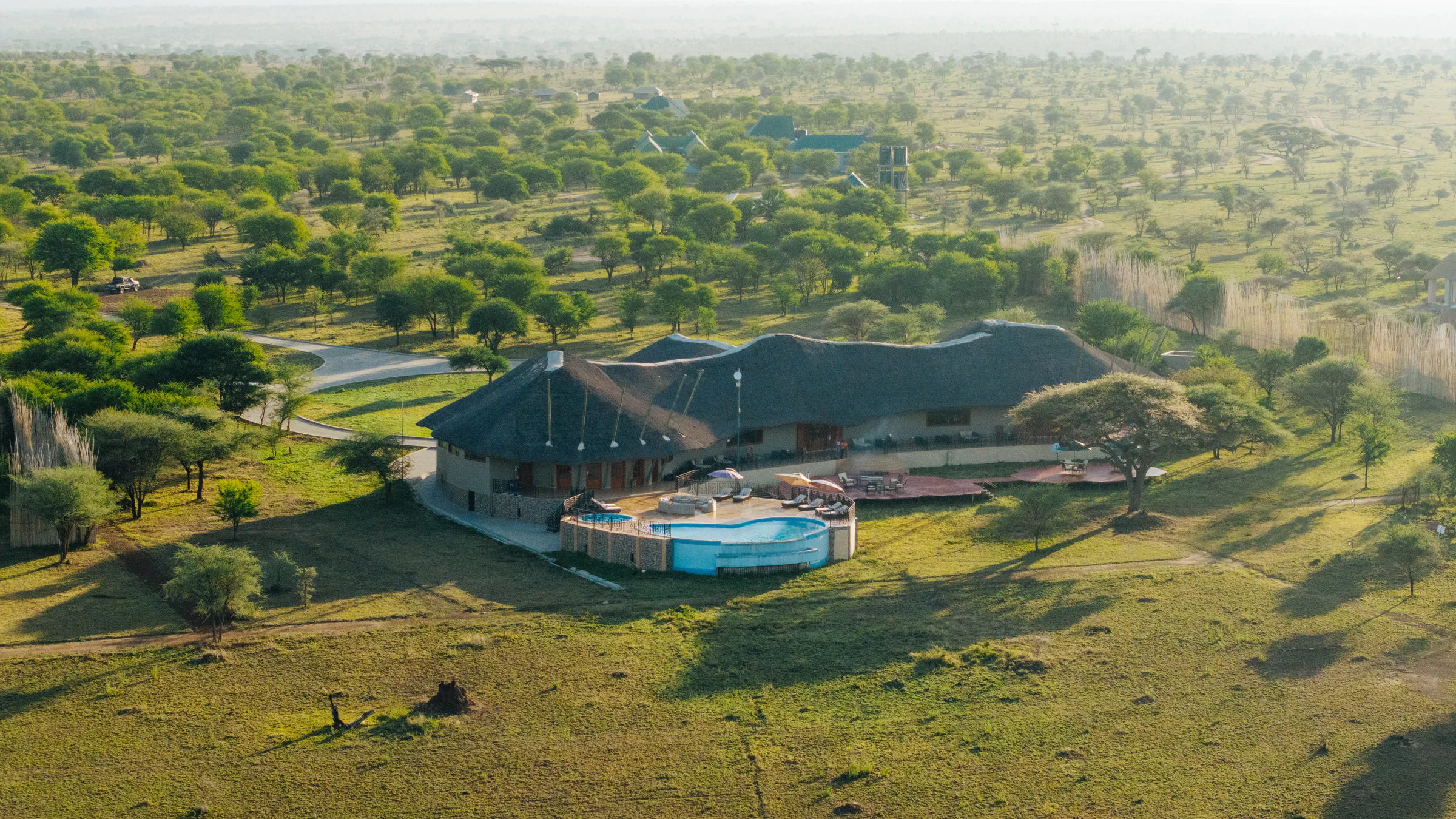
| Swimsuit | 1 | Olkarien Eco Safari Camp and The Castle at Ngorongoro both have swimming pools. |
| Wide-brimmed hat or cap | 1 | Non-negotiable. The equatorial sun is fierce. |
| Buff or lightweight scarf | 1 | Dust protection on game drives and warmth on cool mornings. |
Camera & Optics
Wildlife photography is one of the highlights of any safari. Here is what to bring:
- Camera with a zoom lens — A 100–400mm or 70–300mm lens covers most situations. You will be closer to animals than you think, so an ultra-telephoto is not essential.
- Binoculars — 8x42 or 10x42 magnification. These make a bigger difference than any camera upgrade. Compact binoculars are fine.
- Extra memory cards and batteries — You will shoot more than you expect. Bring at least 128GB total and 2–3 spare batteries.
- Battery bank / power bank — Our camps have charging points, but a 10,000–20,000 mAh power bank keeps your phone and camera topped up on all-day drives.
- Beanbag or window mount — Far more useful than a tripod in a safari vehicle. Rest your lens on it over the vehicle door for stable shots.
Smartphone cameras have become remarkably good. If you do not own a dedicated camera, your phone will still capture stunning images — especially in the golden light of early morning and late afternoon.
Health & Personal Essentials
Sun Protection
- High-SPF sunscreen (50+) — reapply frequently, especially on game drives
- UV-blocking sunglasses with a strap
- Lip balm with SPF
Insect Protection
- DEET-based insect repellent (30–50% concentration) or Picaridin alternative
- Long sleeves and trousers at dawn and dusk are more effective than any spray
- Our camps provide mosquito nets on all beds
Medications & First Aid
- Anti-malarial tablets — Consult your doctor at least 4–6 weeks before travel. The Northern Circuit is a malaria zone.
- Any personal prescription medications (bring more than you need)
- Basic first aid: plasters, pain relief, anti-diarrhoea tablets, rehydration salts
- Antihistamines for insect bites
- Hand sanitiser
Toiletries
- Travel-sized essentials only — our camps provide soap, shampoo, and shower gel
- Wet wipes (incredibly useful on dusty game drives)
- Tissues or a small pack of toilet paper for bush stops
Documents & Money
- Passport — Valid for at least 6 months beyond your travel date with at least 2 blank pages
- Tanzania visa — Most nationalities can get an e-visa online ($50 USD). Apply at least 2 weeks in advance.
- Travel insurance documents — Print a copy and save one on your phone. Ensure it covers medical evacuation.
- Vaccination certificate — Yellow fever vaccination is required if arriving from an endemic country
- Cash (USD) — Bring clean, crisp notes dated 2006 or later. Useful for tips, small purchases, and visa on arrival. $200–$300 in small denominations ($5, $10, $20) is sufficient for tips.
- Credit/debit card — Accepted at some lodges and in Arusha. Not reliable in remote areas.
Electronics & Miscellaneous
- Universal power adapter — Tanzania uses Type D (three round pins) and Type G (British standard) outlets. A universal adapter covers both.
- Head torch or small flashlight — Essential for moving around camp after dark. Red-light mode is best for not disturbing wildlife or other guests.
- Dry bag or ziplock bags — Protect your electronics from dust on game drives. The Serengeti is extremely dusty in the dry season.
- Notebook and pen — Many guests enjoy keeping a safari journal of species spotted and memorable moments.
- E-reader or book — For downtime at camp between game drives (typically 11 AM – 3 PM).
What Your Camp Already Provides
You do not need to pack everything — our camps at Acacia Collections include:
- Clean bedding and towels (changed regularly)
- Mosquito nets on all beds
- Soap, shampoo, and shower gel
- Mineral water (complimentary)
- Tea and coffee throughout the day
- WiFi (available at all properties)
- Hair dryers (at Acacia Retreat, Arusha)
- Swimming pool towels (at Olkarien and The Castle)
- Daily laundry service
What NOT to Pack
Leave these at home:
- Plastic bags — Tanzania banned single-use plastic bags in 2019. They will be confiscated at the airport.
- Drone — Flying drones in Tanzania's national parks is strictly prohibited without a special permit.
- Perfume or strong-scented products — These attract insects and can disturb wildlife.
- Excessive luggage — If you are taking a bush flight, anything over 15–20 kg will not make it on the plane.
- Expensive jewellery — Leave valuables at home. Safari is about simplicity.
- Formal clothing — No camp or lodge in the bush has a dress code. Smart-casual at most.
- Camouflage gear — Military-pattern clothing is restricted in Tanzania.
The Quick-Reference Checklist
Print this or save it on your phone:
- ☐ Soft duffel bag + daypack
- ☐ 2–3 long-sleeve shirts (neutral colours)
- ☐ 2–3 t-shirts
- ☐ 2 lightweight trousers
- ☐ 1 warm fleece jacket
- ☐ 1 rain jacket
- ☐ Closed-toe walking shoes + sandals
- ☐ Wide-brimmed hat + sunglasses
- ☐ Swimsuit
- ☐ Camera + spare batteries + memory cards
- ☐ Binoculars
- ☐ Sunscreen (SPF 50+) + lip balm
- ☐ Insect repellent (DEET or Picaridin)
- ☐ Anti-malarial medication
- ☐ Personal medications
- ☐ Passport + visa + insurance docs
- ☐ USD cash ($200–$300 in small notes)
- ☐ Universal power adapter + power bank
- ☐ Head torch
- ☐ Ziplock bags for dust protection
Final Advice
The best safaris are the ones where you are not worrying about what you forgot. Pack the essentials, trust that your camp has the rest, and focus on what matters — the wildlife, the sunsets, and the experience of being in one of the most extraordinary places on Earth.
Have questions about what to bring to a specific camp? Get in touch with our team — we are happy to help you prepare. Or explore our camps and lodges to see what each property offers.
Start planning your Tanzania safari
Our safari experts craft personalized itineraries for every interest and budget. Tell us what you are looking for.
Request a Free Quote