Discover why Tanzania's green season (March–May) offers dramatic savings, fewer crowds, lush landscapes, and incredible wildlife — making it the savvy traveler's best-kept secret.
Why We Love Green Season Safaris
When most people picture a Tanzania safari, they imagine the dry-season drama of the Great Migration — dust clouds rising behind columns of wildebeest, golden savanna stretching to the horizon. That's beautiful, of course. But we've spent years guiding guests through every season on these plains, and we'll let you in on something: the green season, running roughly from March through May, is one of the most rewarding times to visit Tanzania. We call it our best-kept secret, and after reading this guide, you'll understand why.
The green season — sometimes called the "long rains" or "low season" — brings intermittent afternoon showers that transform the landscape into a lush, emerald paradise. The air is clean, the light is spectacular for photography, and the crowds thin dramatically. Best of all, safari pricing drops by 30–50% compared to peak season. If you're looking for a Serengeti experience without the premium price tag, the green season deserves your serious consideration.
What Green Season Actually Looks Like on the Ground
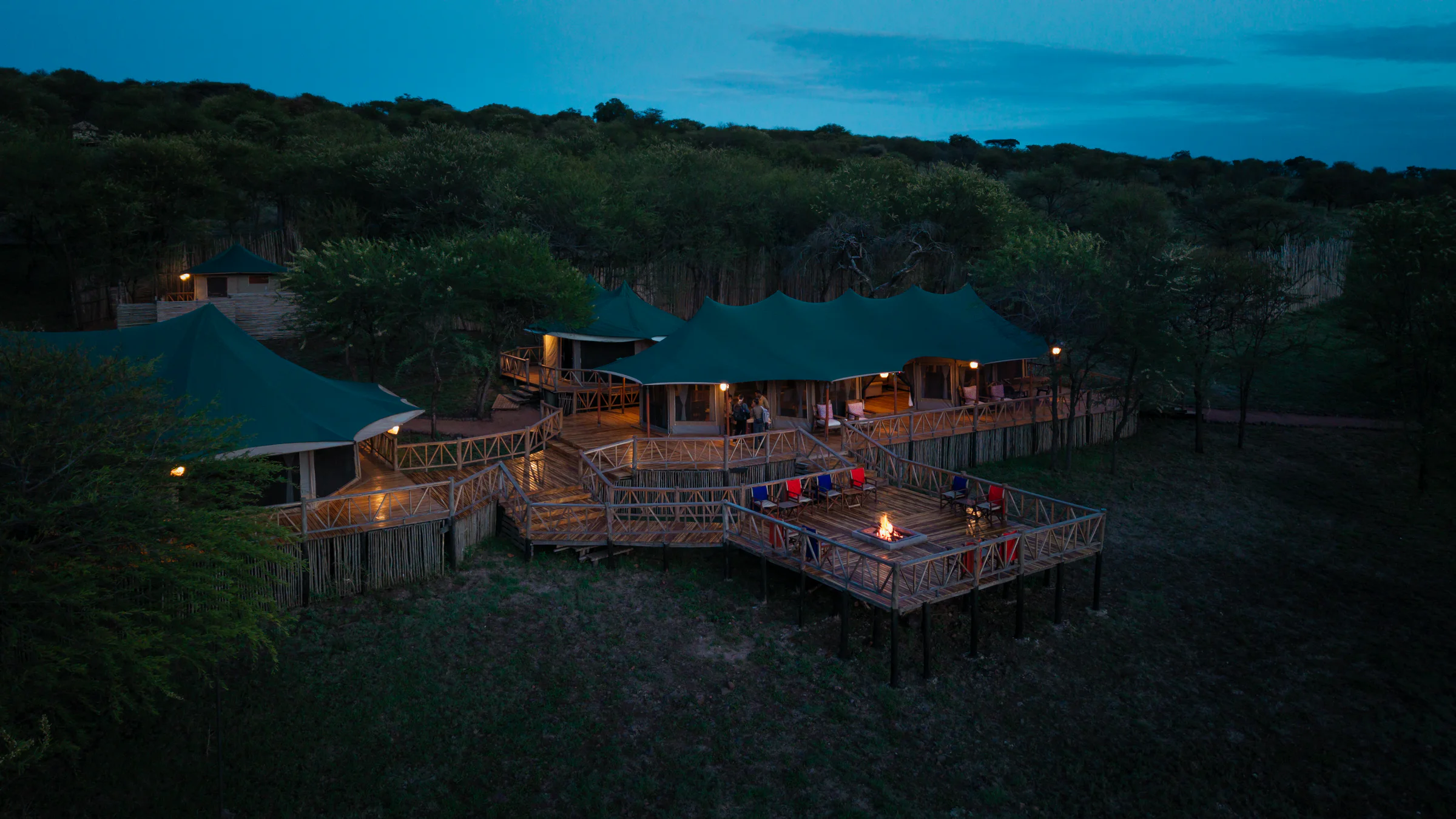
Let's dispel the biggest myth right away: green season does not mean it rains all day, every day. In our experience across decades in the Tanzanian bush, the typical pattern is clear, sunny mornings followed by a build-up of clouds around midday, then a shower — sometimes dramatic, sometimes gentle — in the late afternoon or evening. By the time you're sitting around the campfire at Enkirari Wilderness Camp in the Serengeti ($250–325/night), the sky has cleared and the stars are blazing.
Game drives remain fully operational. Most camps schedule morning drives from around 6:30 a.m. to noon, which is the prime wildlife-viewing window regardless of season. Afternoon drives go out around 3:30 p.m. and often catch the tail end of a shower or the golden light that follows. The rain actually helps game viewing in many ways — animals are drawn to fresh green shoots, predators hunt more actively in cooler conditions, and the wet ground makes tracking far easier.
The vegetation is thick and green, which can make spotting animals slightly more challenging in heavily wooded areas. But in the open grasslands of the Serengeti and the crater floor of Ngorongoro, visibility remains excellent. And the payoff in terms of photography is enormous — vibrant greens, dramatic storm clouds, double rainbows, and the incredible light quality that comes after rain.
Wildlife Highlights You Won't Find in Peak Season
Green season brings wildlife spectacles that simply don't exist during the dry months. Here are the highlights we tell every guest about:
Calving season overlap. The wildebeest calving season typically peaks in January and February in the southern Serengeti and Ndutu area, but it often extends into early March. Visiting in March means you may still catch the tail end of calving — thousands of wobbly-legged calves surrounded by opportunistic predators. It's raw, dramatic, and unforgettable.
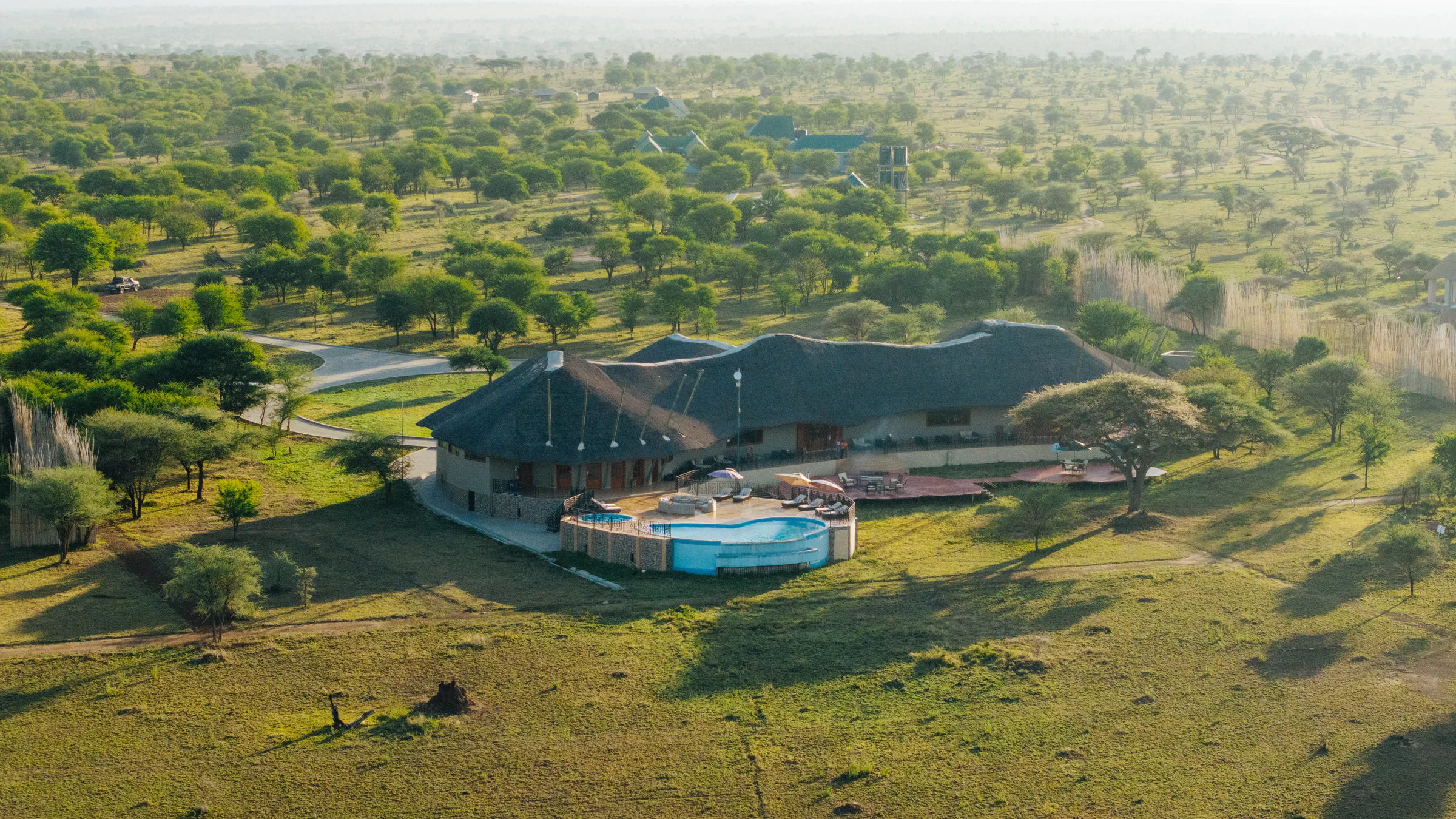
Birding paradise. Tanzania hosts over 1,100 bird species, and the green season is when migratory species from Europe and northern Africa arrive. Wetlands fill, attracting flamingos, pelicans, and wading birds. At Serian Tarangire Camp ($221–443/night), the Tarangire ecosystem becomes a birding haven with over 550 species recorded. If birding is even a minor interest, green season will convert you into a devoted enthusiast.
Predator action. With prey animals concentrated around fresh grazing, predators are active and visible. Lion prides, cheetah families, and leopards in Ngorongoro are often easier to find during the green season because the prey is predictable. We've seen some of our most dramatic kills during March and April game drives from Naserian Safari Camp ($230–380/night).
Baby animals everywhere. It's not just wildebeest. Zebras, gazelles, warthogs, and many other species time their births to coincide with the rains, ensuring plenty of fresh grass for nursing mothers. The bush is full of young animals — adorable, yes, but also creating a dynamic ecosystem that's thrilling to watch.
The Savings: Peak Season vs. Green Season at Acacia Properties
This is where green season really shines for budget-conscious travelers who still want a world-class safari experience. We've compiled our own property rates to show you just how significant the difference can be.
| Property | Location | Peak Season Rate (per night) | Green Season Rate (per night) | Savings |
|---|---|---|---|---|
| Enkirari Wilderness Camp | Serengeti | $325 | $250 | 23% |
| Serian Tarangire Camp | Tarangire | $443 | $221 | 50% |
| Olkarien Gorge Camp | Serengeti | $474 | $435 | 8% |
| Enkutoto Migration Camp | Serengeti (mobile) | $400 | $250 | 38% |
| Naserian Safari Camp | Ngorongoro | $380 | $230 | 39% |
| The Castle at Ngorongoro | Ngorongoro | $480 | $290 | 40% |
| Acacia Retreat | Arusha | $220 | $140 | 36% |
As you can see, savings range from about 8% at our premium eco-luxury camps to a remarkable 50% at Serian Tarangire Camp. For a typical 7-night safari, that translates to savings of $500–$1,500 per person on accommodation alone. Factor in lower flight costs and reduced park fees at some reserves, and a green season safari can cost 30–50% less than the same itinerary in July or August.
Our Recommended Green Season Itinerary
We've refined this itinerary over many green seasons, and it consistently delivers outstanding experiences:
Day 1: Arrive in Arusha. Settle into Acacia Retreat ($140–220/night) — our city-based property that makes a perfect launchpad. Rest, explore the town, enjoy dinner at the lodge.
Days 2–3: Drive to Tarangire National Park and check into Serian Tarangire Camp. Tarangire is spectacular in green season — the baobab-studded landscape turns green, the Tarangire River draws massive elephant herds, and the birding is exceptional. Two full days of game drives here are magical.
Days 4–5: Transfer to Ngorongoro and stay at Naserian Safari Camp or The Castle at Ngorongoro. Descend into the crater for a full day — rhino sightings are common, and the crater floor is lush and green. The second day can include a walk along the crater rim or a visit to a Maasai village.
Days 6–7: Fly to the Serengeti and stay at Enkirari Wilderness Camp. The southern and central Serengeti are prime green-season territory. Big cats are active, the grasslands are stunning, and you may have entire sightings to yourself.
Day 8: Morning game drive, then fly back to Arusha for departure.
Total estimated cost per person (green season): $2,800–$3,600 for accommodation. The same itinerary in peak season would run $4,200–$5,500.
Why Photographers Prefer Green Season
Professional wildlife photographers — the ones who've been to Africa dozens of times — disproportionately choose green season. Here's why:
The light is extraordinary. Post-rain golden hours produce a soft, diffused glow that's impossible to replicate in the harsh dry-season sun. Dramatic skies add depth and mood to landscape shots. The green backdrop makes animal subjects pop — a golden lion against emerald grass is far more striking than the same lion against brown stubble.
Fewer vehicles mean cleaner compositions. During peak season at popular sightings like leopards in trees or river crossings, you might have 15–20 vehicles jostling for position. In green season, you'll often be one of two or three vehicles, giving you the freedom to choose your angle and wait for the perfect moment.
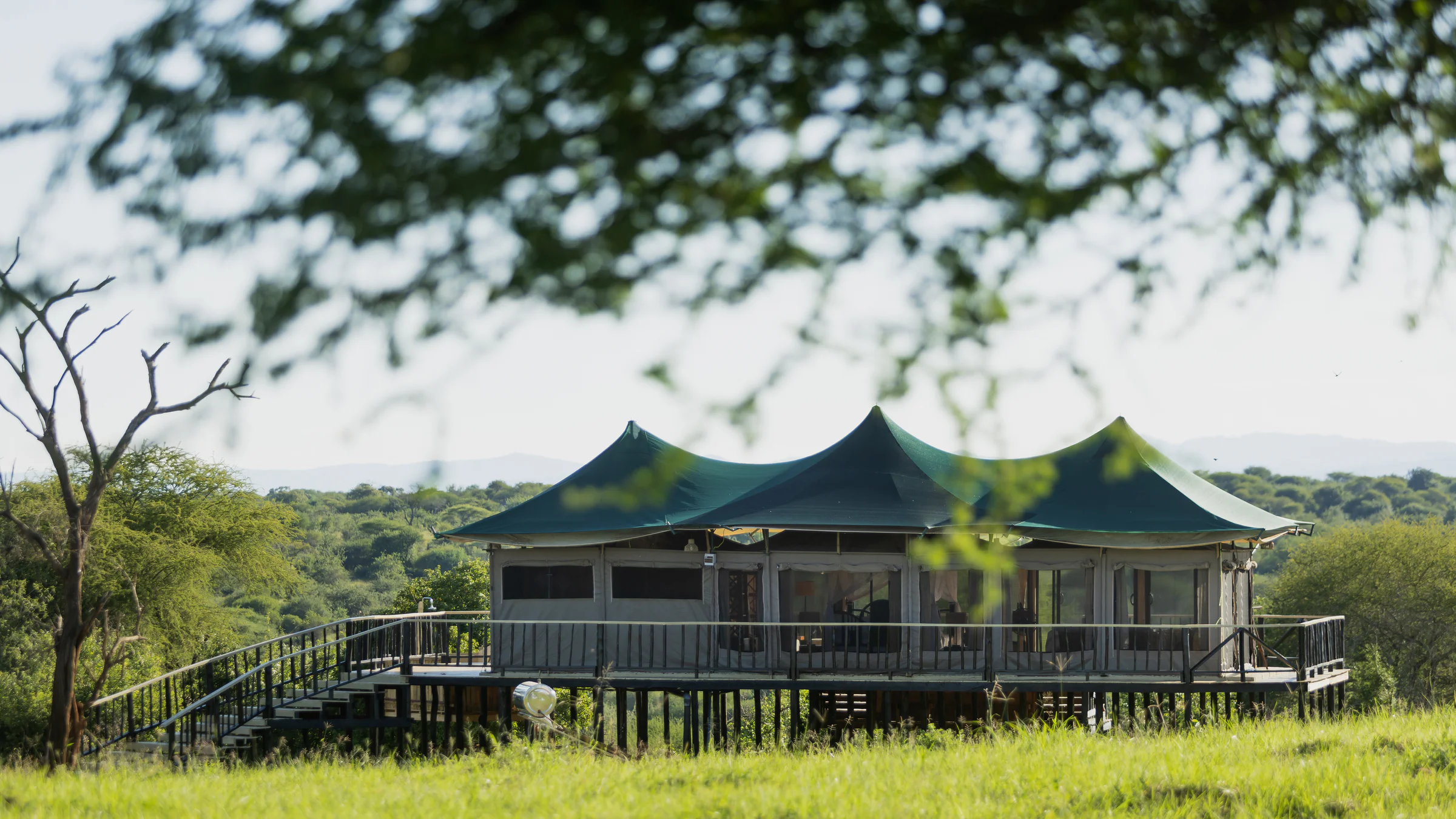
The dramatic weather creates unique opportunities — lightning over the Serengeti, rain curtains sweeping across the plains, animals silhouetted against storm clouds. These are the images that win awards and define careers. We've hosted several professional photographers at Olkarien Gorge Camp ($435–474/night) who specifically request green season visits for the Serengeti's most dramatic light.
Practical Tips for a Green Season Safari
We want you to be fully prepared, so here's our honest advice for making the most of your green season trip:
Pack a good rain jacket — not a poncho, but a proper waterproof layer. Lightweight and packable is ideal. You probably won't need it on every drive, but when you do, you'll be glad you have it.
Bring waterproof bags for your camera gear. A simple dry bag or even large zip-lock bags will protect lenses and bodies during open-vehicle drives if a shower catches you out.
Expect some road challenges. Dirt roads in parks can become muddy, which occasionally means detours. Our guides know every alternative route, and frankly, some of the best sightings happen on the detour roads where fewer vehicles go.
Bring insect repellent. The rains mean more standing water, which means more mosquitoes. All our camps provide nets, but repellent for evening hours is essential. We recommend DEET-based products and long sleeves after sunset.
Book early anyway. While green season has fewer visitors, the best camps — including ours — still fill up because savvy travelers know the secret. We recommend booking at least 3–4 months in advance to secure your preferred properties.
Who Should Choose a Green Season Safari?
Green season is perfect for several types of travelers:
Budget-conscious adventurers who want a genuine, high-quality safari without peak-season prices. The savings are real and significant, and the experience is not diminished — it's just different, and in many ways better.
Photographers at any level who want dramatic light, fewer vehicles, and green landscapes. If you're investing in a photography safari, green season offers the best return on that investment.
Birders who want to maximize species counts. The combination of resident and migratory species during March–May is unmatched.
Repeat visitors who've done the dry-season safari and want to experience Tanzania from a completely different perspective. We have many guests who come back specifically for green season after a peak-season first visit.
Travelers who value solitude. If sharing a leopard sighting with a dozen other vehicles sounds unappealing, green season is your answer. The sense of wilderness and exclusivity is palpable.
Frequently Asked Questions About Green Season Safaris
Does it rain all day during green season in Tanzania?
No. The typical pattern is clear, sunny mornings with rain arriving in the late afternoon or evening. Morning game drives — the prime wildlife-viewing hours — are almost always dry. Showers are usually brief and intense, clearing within an hour or two. We run full game drive schedules throughout green season with very few weather-related disruptions.
Will I still see the Big Five during green season?
Absolutely. Lion, leopard, elephant, buffalo, and rhino are all resident year-round in Tanzania's parks. In fact, predator sightings can be better during green season because cooler temperatures make big cats more active during daylight hours. Ngorongoro Crater remains one of the most reliable places to see rhino in any season.
Are any camps or parks closed during green season?
Some remote camps in the western Serengeti close during the heaviest rains, but our properties remain open and fully operational throughout green season. The Serengeti, Ngorongoro, and Tarangire parks are open year-round. A few very remote roads may become impassable temporarily, but our experienced guides always know alternative routes.
How much can I really save on a green season safari?
Based on our own property rates, savings range from 8% to 50% on nightly accommodation, with an average of about 35% across our portfolio. For a typical 7-night safari, that translates to $500–$1,500 per person in accommodation savings alone. International flights and some internal flights are also cheaper during this period, adding to the overall savings.
Is green season safe for families with children?
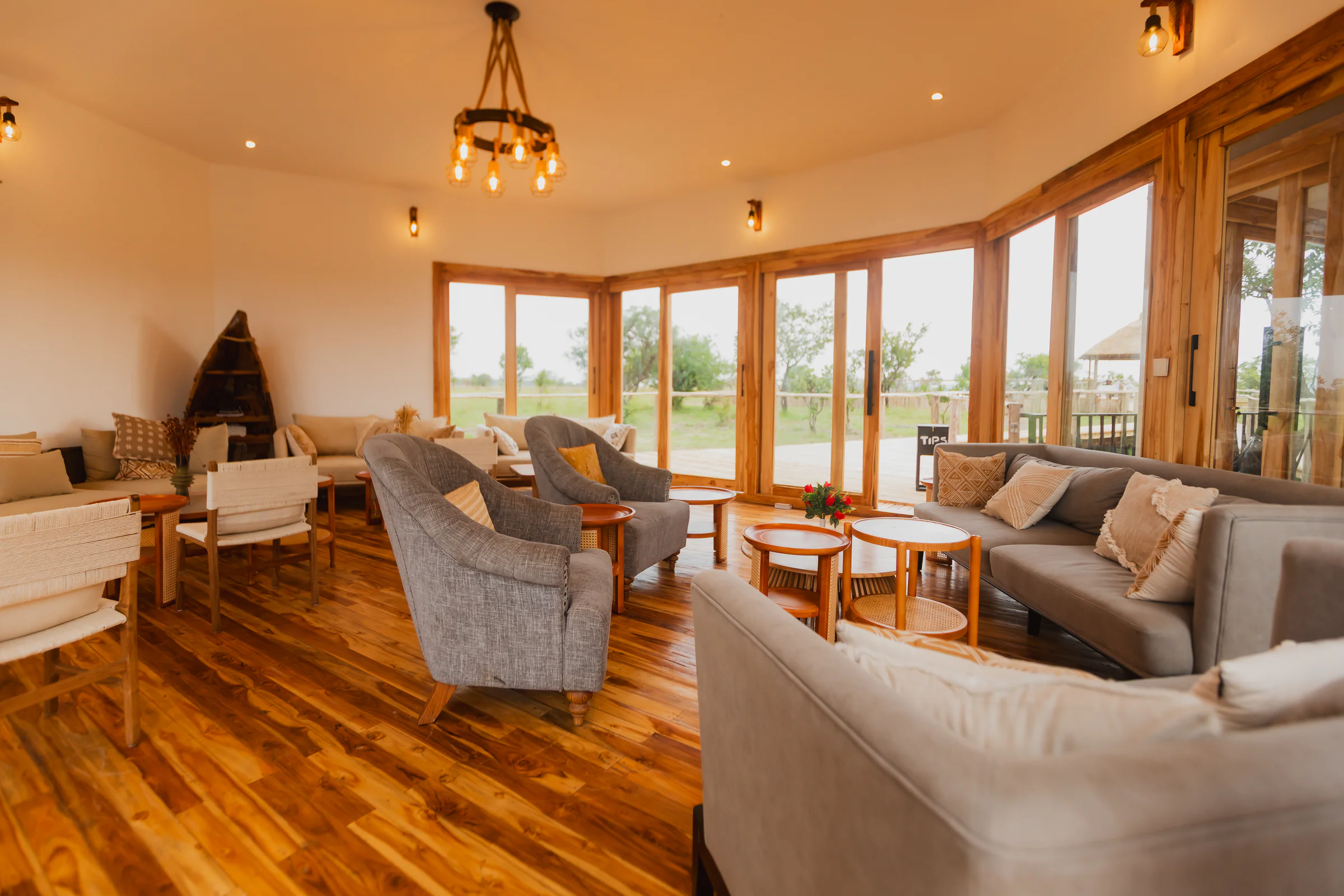
Yes, green season is perfectly safe for families. The rain doesn't create dangerous conditions — it's warm tropical rain, not cold or stormy weather. Children often love the dramatic afternoon thunderstorms watched from the safety of camp. The abundance of baby animals during this period makes it an especially magical time for young wildlife enthusiasts. We recommend families with children stay at our more accessible properties like The Castle at Ngorongoro or Acacia Retreat in Arusha.
Ready to Experience Tanzania's Green Season?
We genuinely believe that green season is one of the best times to experience Tanzania — and we're not just saying that to fill beds. The combination of dramatic landscapes, exceptional wildlife, world-class photography conditions, and significantly lower prices makes it an extraordinary value proposition. Whether you're a first-time safari-goer looking for an affordable entry point or a seasoned traveler seeking a fresh perspective, green season delivers.
Our team has extensive green-season experience and can craft an itinerary tailored to your interests, budget, and travel dates. We'll match you with the right properties, arrange logistics, and ensure you're fully prepared for an unforgettable experience.
Contact us today to start planning your green season safari. Availability at our camps fills faster than you'd expect — the secret is getting out.
Start planning your Tanzania safari
Our safari experts craft personalized itineraries for every interest and budget. Tell us what you are looking for.
Request a Free Quote