A complete guide to Tanzania safaris with kids, from toddlers to teenagers. Age-appropriate activities, family-friendly camps, safety tips, and real costs.
Can you take kids on a Tanzania safari? Absolutely — and it might be the most transformative family trip you ever take. We have hosted families with children as young as two and teenagers celebrating their gap year, and every age group gets something profound from the experience.
But a family safari requires different planning than an adults-only trip. The right camp, the right itinerary, and the right expectations make all the difference. This guide breaks it down by age group so you can plan with confidence.
Quick Age Suitability Guide
| Age Group | Safari Suitability | Recommended Duration | Key Considerations |
|---|---|---|---|
| 0–2 years | Possible but challenging | 3–4 days max | Nap schedules, health precautions, limited activities |
| 3–5 years | Good with right setup | 4–5 days | Short game drives, nature walks, camp activities |
| 6–9 years | Excellent | 5–7 days | Engaged in wildlife, can handle full game drives |
| 10–13 years | Outstanding | 7–10 days | Old enough for walking safaris, deep engagement |
| 14–17 years | Outstanding | 7–14 days | Full adult activities, photography, conservation focus |
Ready to plan your safari? Get a free quote from our safari experts.
Ages 0–2: Toddlers on Safari
Let us be honest: taking a toddler on safari is more for the parents than the child. They will not remember it, and the logistics are real. But it is absolutely possible if you plan carefully.
What Works
- Short game drives (2–3 hours maximum) timed around nap schedules
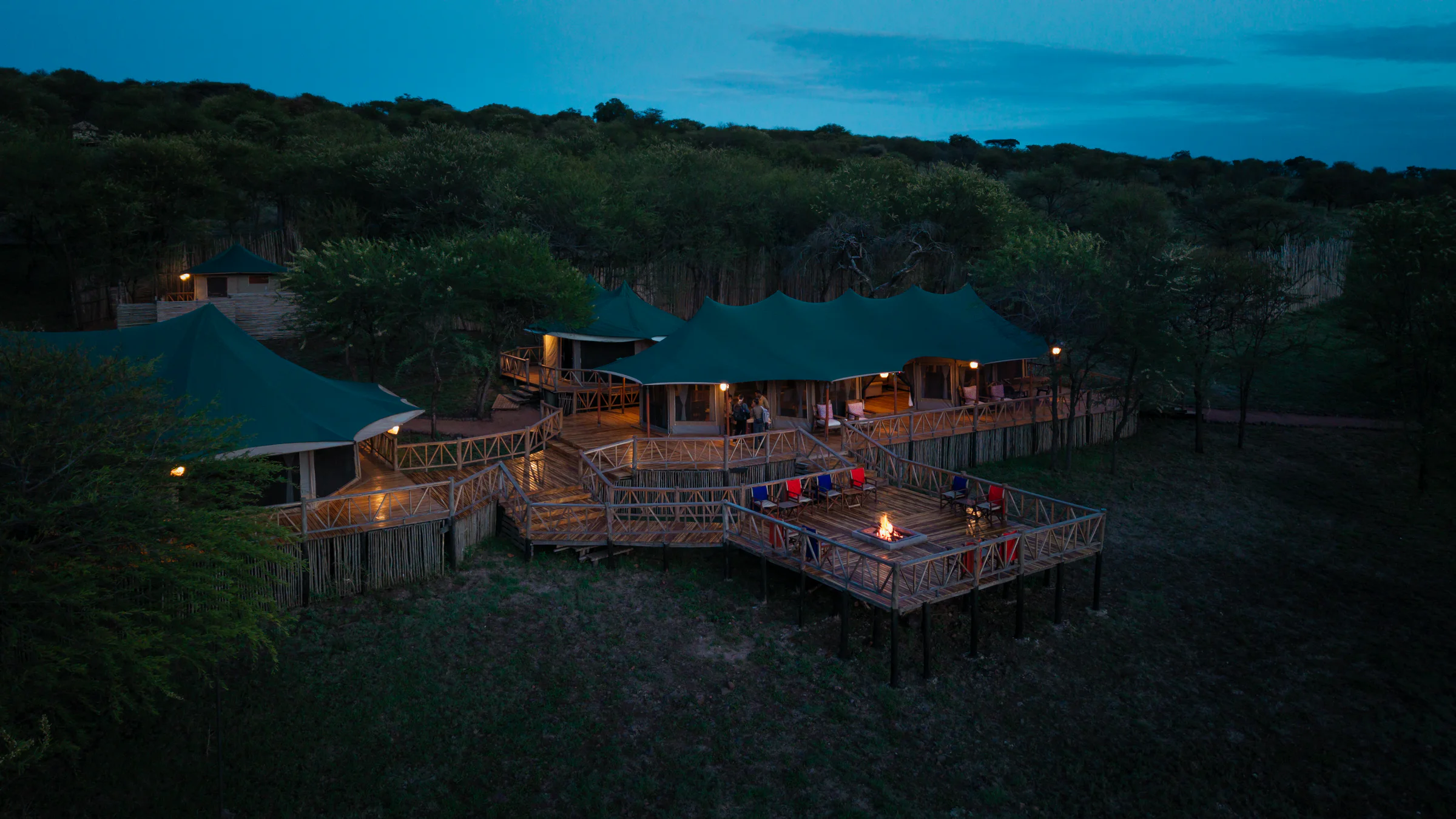
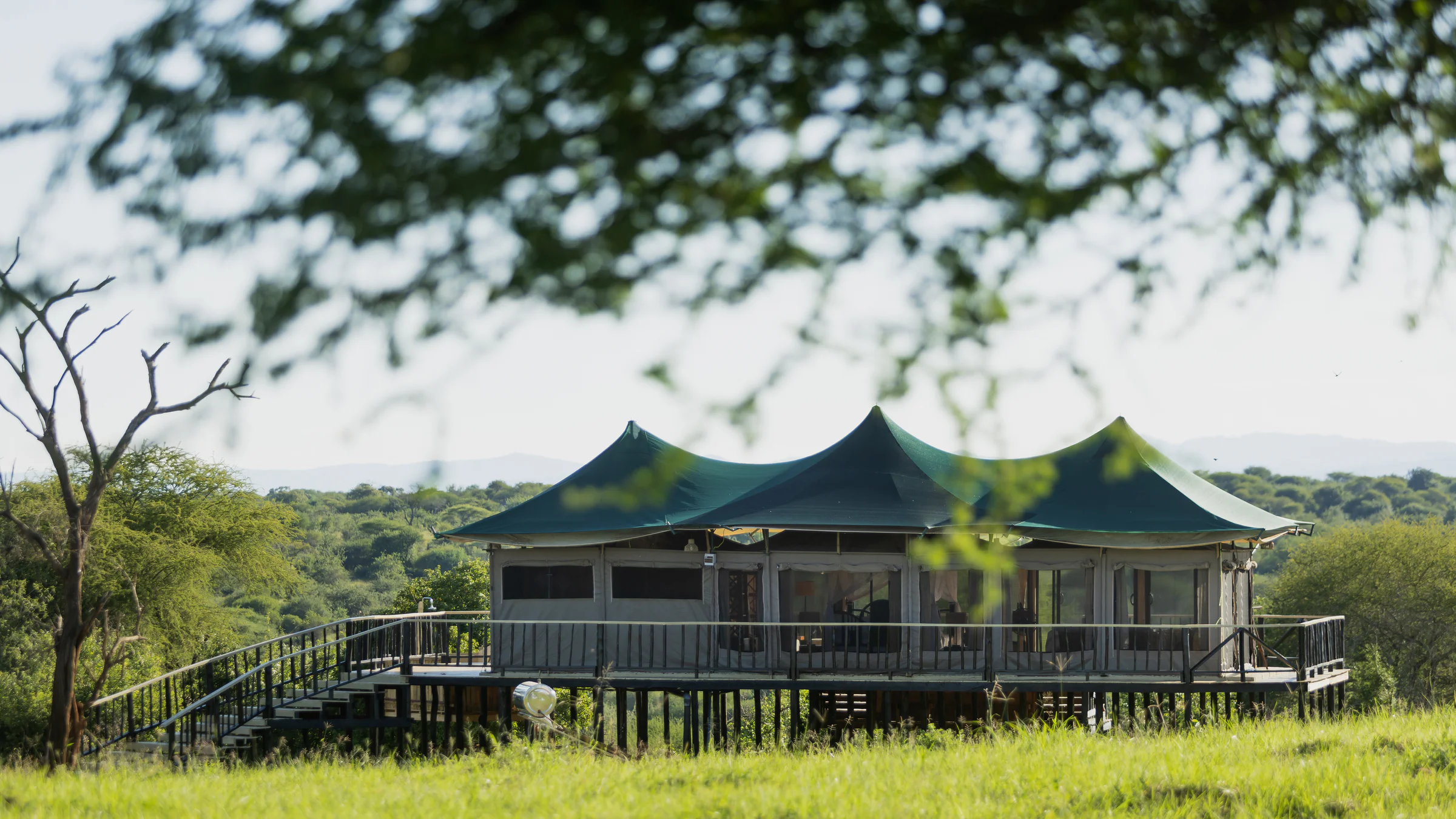
- Camps with family tents or interconnecting rooms
- Properties at lower altitudes (avoid the cold Ngorongoro rim with a baby)
- Private vehicles so you can return to camp whenever the little one needs to
What to Watch For
- Malaria: Anti-malarial drugs are not approved for children under 5 kg. Consult your paediatrician and use physical barriers (mosquito nets, long sleeves at dusk).
- Sun exposure: The equatorial sun is intense. Full-coverage clothing and baby-safe sunscreen are essential.
- Altitude: Ngorongoro Crater rim sits at 2,300 metres. Most healthy toddlers handle this fine, but monitor for any signs of altitude discomfort.
- Dust: Safari vehicles on dirt roads generate significant dust. Bring a light scarf or cloth to cover your baby during drives.
Our recommended property for families with toddlers is Acacia Retreat in Arusha ($140–$220/night) as a base, combined with day trips to nearby Arusha National Park or Lake Manyara — close enough to return quickly if needed.
Ages 3–5: Preschoolers — The Wonder Years
This is the age where safari starts to click. Three-to-five-year-olds are old enough to be genuinely amazed by elephants and giraffes, and young enough to find joy in absolutely everything — from dung beetles to sunset colours.
Ideal Itinerary Structure
- Shorter game drives (3–4 hours) with breaks for snacks and bathroom stops
- Mix game drives with camp-based activities: nature walks, animal tracking lessons, colouring and craft activities
- One park at a time — avoid multi-park itineraries with long transfers
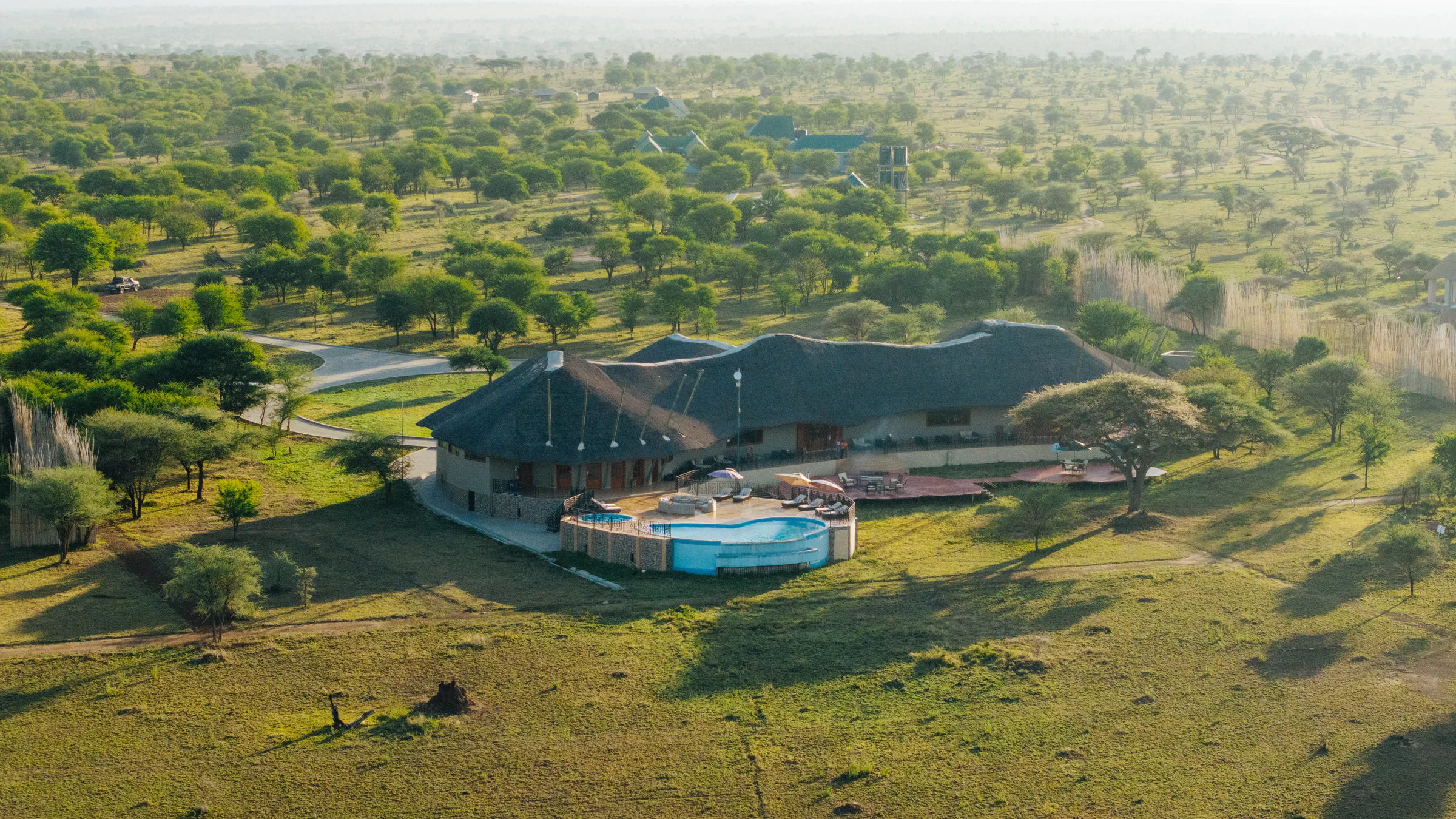
- Afternoon pool time (several of our properties have pools)
Best Parks for This Age
- Tarangire: Elephants are the star attraction, and kids are mesmerised by them. The baobab trees look like something from a storybook. Serian Tarangire Camp ($221–$443/night) is excellent for families.
- Ngorongoro Crater: The crater floor is essentially a giant outdoor zoo (we say that with love). High animal density means kids see lots of species quickly without requiring patience for long waits.
- Lake Manyara: A small, easy park perfect for a half-day drive. Baboons and flamingos are particular crowd-pleasers with little ones.
At this age, our guides switch into "junior ranger" mode — engaging children with animal sounds, tracks, and simple ecology questions. Many parents tell us their kids talked about the safari for months afterwards.
Ready to plan your safari? Get a free quote from our safari experts.
Ages 6–9: Primary School — Safari Stars
This is the sweet spot for family safaris. Children aged 6–9 are old enough to sit through a full game drive, curious enough to ask brilliant questions, and young enough to be completely unjaded by the experience. They will remember this trip for the rest of their lives.
What This Age Loves
- Animal identification: Give them a field guide and a checklist — they become obsessive spotters. Our guides love working with kids this age because their enthusiasm is infectious.
- Photography: Even with a basic camera or smartphone, kids this age produce surprisingly good wildlife photos. Some of the best photos from our safaris have come from 8-year-olds.
- Bush skills: Tracking animals by footprints, identifying bird calls, learning to read the landscape — these are skills that fire up young imaginations.
- Campfire stories: Our guides share Maasai legends and bush tales around the evening fire, and children are absolutely captivated.
Recommended Itinerary: 6 Days
For families with 6–9-year-olds, we recommend a 6-day Northern Circuit safari:
- Day 1: Arrive Arusha, Acacia Retreat ($140–$220/night)
- Days 2–3: Tarangire, Serian Tarangire Camp ($221–$443/night)
- Day 4: Ngorongoro Crater, Naserian Safari Camp ($230–$380/night)
- Days 5–6: Serengeti, Enkirari Wilderness Camp ($250–$325/night)
This itinerary keeps driving times manageable (2–3 hours between camps), covers three distinct ecosystems, and delivers the Big Five.
Ages 10–13: Tweens — Going Deeper
Tweens are safari gold. They have the attention span for extended game drives, the intellectual curiosity to understand ecology and conservation, and the physical stamina for walking safaris and more adventurous activities.
Activities That Engage Tweens
- Walking safaris: Most parks allow guided bush walks for children 10 and over. Walking through the bush — on foot, with an armed ranger — is a completely different experience from a vehicle. Every sense is heightened.
- Conservation talks: Our guides can explain the complexities of wildlife conservation, anti-poaching efforts, and community-wildlife coexistence. Tweens often become passionate advocates after these conversations.
- Night drives: Available in certain conservancies, night drives reveal a completely different world — bush babies, aardvarks, civets, and the eye-shine of nocturnal predators in the spotlight.
- Cultural visits: A visit to a Maasai boma is profoundly impactful for this age group. Meeting children their own age who live in such a different way fosters empathy and global awareness.
At 10–13, children can also handle the full 7-day Northern Circuit itinerary without modification. We keep the pacing comfortable, but they can manage full-day game drives, crater descents, and early starts.
Ready to plan your safari? Get a free quote from our safari experts.
Ages 14–17: Teenagers — Full Safari Experience
Teenagers get the full adult safari experience, and they often appreciate it more deeply than their parents. This age group connects powerfully with the natural world, and a Tanzania safari can be genuinely life-changing — sparking interest in wildlife biology, conservation, photography, or simply a deeper appreciation for the planet.
Teenage-Specific Activities
- Photography workshops: Our guides are experienced wildlife photographers who can teach composition, lighting, and animal behaviour prediction. Teens with a DSLR or mirrorless camera will come home with portfolio-worthy shots.
- Community projects: We can arrange visits to local schools, tree-planting initiatives, or conservation projects where teenagers can contribute meaningfully.
- Kilimanjaro day hike: For active teens, a day hike on the lower slopes of Mount Kilimanjaro (Shira Plateau or Marangu Route to the first hut) is an incredible experience — no summit attempt, just the stunning montane forest and moorland zones.
- Zanzibar extension: Teenagers love the combination of safari and beach. Add 3–4 days on Zanzibar for snorkelling, kitesurfing, Stone Town exploration, and beach time.
For families with teenagers, we recommend the full 7-day itinerary staying at Olkarien Eco Safari Camp ($435–$474/night) in the Serengeti. The eco-luxury approach resonates strongly with environmentally conscious teens, and the camp's sustainability story makes a real impression.
Family Safari Cost Guide
Children receive discounted rates at most Tanzania safari camps. Here is a breakdown for a family of four (2 adults + 2 children) on a 7-day Northern Circuit safari:
| Component | Adult Rate (x2) | Child Rate (x2, ages 6–15) | Family Total |
|---|---|---|---|
| Accommodation (7 nights avg) | $3,400 | $2,000 | $5,400 |
| Park Fees | $960 | $280 | $1,240 |
| Private Vehicle & Guide | Shared family vehicle | $900 | |
| Meals | Included at all camps | Included | |
| Transfers | Included | Included | |
| Total Family of 4 | $7,540 |
That is approximately $1,885 per person for 7 days — significantly less per person than a couple due to the shared vehicle and family room configurations. Children under 5 often stay free in parents' tents.
Best Family-Friendly Camps
Not all safari camps are equally family-friendly. Here are our top picks for families across our portfolio:
| Property | Location | Rate | Family Features |
|---|---|---|---|
| Acacia Retreat | Arusha | $140–$220/night | Pool, gardens, family rooms, city base |
| Serian Tarangire Camp | Tarangire | $221–$443/night | Elephant viewing, family tents, nature walks |
| Naserian Safari Camp | Ngorongoro | $230–$380/night | Crater views, cultural visits, family pricing |
| Enkirari Wilderness Camp | Central Serengeti | $250–$325/night | Big cat country, campfire stories, junior ranger programme |
Ready to plan your safari? Get a free quote from our safari experts.
Health and Safety for Family Safaris
Taking children on safari requires extra health precautions. Here is our comprehensive safety checklist:
Before You Travel
- Visit a travel health clinic 6–8 weeks before departure
- Ensure all routine childhood vaccinations are up to date
- Discuss malaria prophylaxis options with your doctor (age-appropriate medications vary)
- Get hepatitis A and typhoid vaccinations for children over 2
- Purchase comprehensive travel insurance that covers medical evacuation for children
On Safari
- Apply insect repellent (DEET-based for children over 2, picaridin-based for younger children) at dusk and dawn
- Use mosquito nets provided at all our camps (we use treated nets)
- Keep children hydrated — the dry air and heat dehydrate faster than you expect
- Never leave children unattended outside the tent or lodge — wildlife can and does walk through camp
- Brief children on basic safari rules: stay in the vehicle, no sudden movements, keep voices low during game drives
All our camps have first aid kits and evacuation plans. The nearest hospitals are in Arusha (2–4 hours by road from most Northern Circuit locations) or reachable by emergency air evacuation within 1–2 hours.
Packing List for Kids on Safari
Children need the same basic safari gear as adults, plus a few extras:
- Neutral-coloured clothing (khaki, green, brown — kids love feeling like "real" rangers)
- A warm fleece and hat for Ngorongoro evenings (it gets cold at altitude)
- Comfortable closed shoes and sandals
- Binoculars (compact 8x25 are perfect for small hands)
- A wildlife field guide and journal (our guides provide species checklists)
- Camera or smartphone for their own photos
- Card games and books for downtime
- Favourite snacks from home (camp food is excellent but familiar snacks help)
- Reusable water bottle
- Sunscreen (SPF 50+), hat, and sunglasses
Educational Value: What Kids Learn on Safari
A Tanzania safari is one of the most powerful educational experiences a child can have. It is a living classroom where biology, ecology, geography, history, and culture come alive. Here is what children typically absorb at each stage:
Science and Ecology
Children learn about food chains, predator-prey relationships, and ecosystem balance by seeing them play out in real time. Watching a lion hunt teaches more about ecology than any textbook. Our guides explain concepts like territory marking, migration patterns, and symbiotic relationships using the animals visible around the vehicle.
Geography and Geology
Driving through the Ngorongoro Crater — the world's largest unbroken volcanic caldera — is a geology lesson you cannot replicate in school. Children see the Rift Valley, volcanic highlands, savannah plains, and riverine forests in a single week. The landscape diversity of Northern Tanzania is staggering.
Cultural Awareness
Meeting Maasai communities, visiting local schools, and experiencing a culture so different from their own builds empathy and global awareness. Children who visit Tanzania often return with a broader worldview and a deeper appreciation for cultural diversity.
Conservation and Sustainability
Seeing endangered species like black rhinos and understanding why they are threatened creates young conservation advocates. Our camps, especially Olkarien Eco Safari Camp ($435–$474/night), demonstrate sustainable tourism practices that children can connect to environmental lessons at school.
Many schools accept safari journals and photo projects as legitimate coursework. We can provide educational briefing packs for children of different ages on request — ask our team when booking.
Practical Logistics for Family Safaris
The logistics of a family safari require more thought than an adults-only trip. Here are the practical details:
Vehicle Seating
Our Toyota Land Cruisers comfortably seat 6 passengers. A family of 4 has plenty of space, with window seats for everyone. For families of 5–6, we can arrange a larger vehicle or two vehicles. Car seats for toddlers can be provided with advance notice — bring your own if possible for the best fit.
Room Configurations
Most of our camps offer family tent configurations — either a single large tent with a dividing curtain or two interconnected tents. This gives parents and children their own space while keeping everyone close. Specific options vary by camp; ask us about family tent availability when booking.
Meal Times
Camp meal times are flexible for families. If your children eat early, the kitchen can prepare an early supper while adults dine at the standard time. Snacks (biscuits, fruit, juice boxes) are available throughout the day, and our chefs are happy to prepare child-friendly versions of menu items.
Nap and Rest Time
For families with younger children, we build rest time into the itinerary. A typical family day might look like: early game drive (6–10 AM), camp time and nap (10 AM–3 PM), afternoon game drive (3–6 PM), early dinner (6:30 PM). This rhythm works well for all ages.
Frequently Asked Questions
What is the minimum age for a Tanzania safari?
There is no legal minimum age, and our camps welcome children of all ages. However, we recommend age 5+ for the best experience. Children under 5 can enjoy safari but require more flexibility in scheduling and shorter game drives. Some fly-in lodges have minimum age requirements of 7 or 10, but our camps are family-friendly from birth.
Is safari safe for children?
Yes, when managed properly. You are in a vehicle at all times during game drives, and camps are designed to be safe (askari guards patrol at night, tents are zipped closed). The main risks are the same as any tropical destination — sun, dehydration, mosquito-borne illness — all of which are manageable with proper preparation. We have never had a safety incident with a child on our safaris.
Do children pay full price on safari?
No. Children under 5 often stay free in parents' rooms. Ages 5–11 typically receive 30–50% discounts on accommodation. Park fees for children (ages 5–15) are significantly lower than adult fees. The result is that a family safari costs substantially less per person than a couples' trip.
Will my kids get bored on safari?
Almost never. The key is matching activities to age and attention span. Younger children do best with shorter drives and camp-based activities. Older children are typically captivated for full-day drives. Our guides are skilled at engaging children — spotting games, animal trivia, tracking lessons — and most kids are far more engaged than their parents expect.
Can we do a safari and Zanzibar with kids?
Absolutely — it is one of our favourite family combinations. After the excitement of safari, kids love the beach time on Zanzibar. Snorkelling, sandcastle building, boat trips, and swimming fill the days perfectly. We recommend 4–5 days safari + 3–4 days Zanzibar for families.
Start planning your Tanzania safari
Our safari experts craft personalized itineraries for every interest and budget. Tell us what you are looking for.
Request a Free Quote