Yes, you can combine a Kilimanjaro climb and a Tanzania safari in one trip. Here's the ideal order, fitness requirements, logistics, and what the combined adventure costs.
The Big Question: Safari and Kilimanjaro in One Trip?
It's one of the most common questions we hear from adventurous travelers: "Can I climb Kilimanjaro and go on safari during the same trip to Tanzania?" The short answer is an emphatic yes. We've helped hundreds of guests combine Africa's tallest peak with its most spectacular wildlife parks, and when planned correctly, it's the ultimate Tanzania experience — the kind of trip that becomes the defining adventure of a lifetime.
But "planned correctly" is the key phrase. Combining a Tanzania safari and Kilimanjaro climb involves real logistics, fitness considerations, and scheduling decisions that can make or break the experience. In this guide, we'll share everything we've learned from years of helping guests pull off this ambitious double adventure. We'll cover the ideal sequence, timing, costs, fitness requirements, and our recommended itinerary — along with honest advice about who this combination is right for and who might want to reconsider.
Why Combine Both Adventures?
Tanzania is unique among African destinations because it offers both the continent's highest peak (5,895 meters / 19,341 feet) and its most famous wildlife reserves within a surprisingly compact geography. Arusha, the safari capital of northern Tanzania, sits just 80 kilometers from Kilimanjaro's main gates. The Serengeti, Ngorongoro Crater, and Tarangire National Park are all within a day's drive or a short flight from Arusha.
This geographic convenience means you don't need separate trips or complicated cross-country travel. You fly into Kilimanjaro International Airport (JRO), climb the mountain, recover in Arusha, head out on safari, and fly home from the same airport. It's remarkably efficient for such a diverse adventure.
Beyond logistics, the combination creates a narrative arc that's hard to beat. The mountain tests your physical limits — the altitude, the cold, the mental challenge of summit night. Then the safari rewards you with relaxation, wonder, and the incomparable thrill of watching wild animals in their natural habitat. The contrast between the two experiences makes each one richer.
The Critical Decision: Climb First, Then Safari
We always recommend climbing Kilimanjaro first, then doing your safari. Here's why, based on years of experience:
Physical readiness. You arrive at the mountain fresh, with your energy reserves full and your body ready for the physical challenge. If you safari first, you've been sitting in vehicles, eating rich camp food, and potentially dealing with travel fatigue. None of that helps on a mountain where every calorie of energy matters.
Altitude acclimatization. Starting with the climb means your body is focused solely on one physiological challenge — adapting to altitude. There's no residual tiredness from early morning game drives or the sensory overload of safari days.
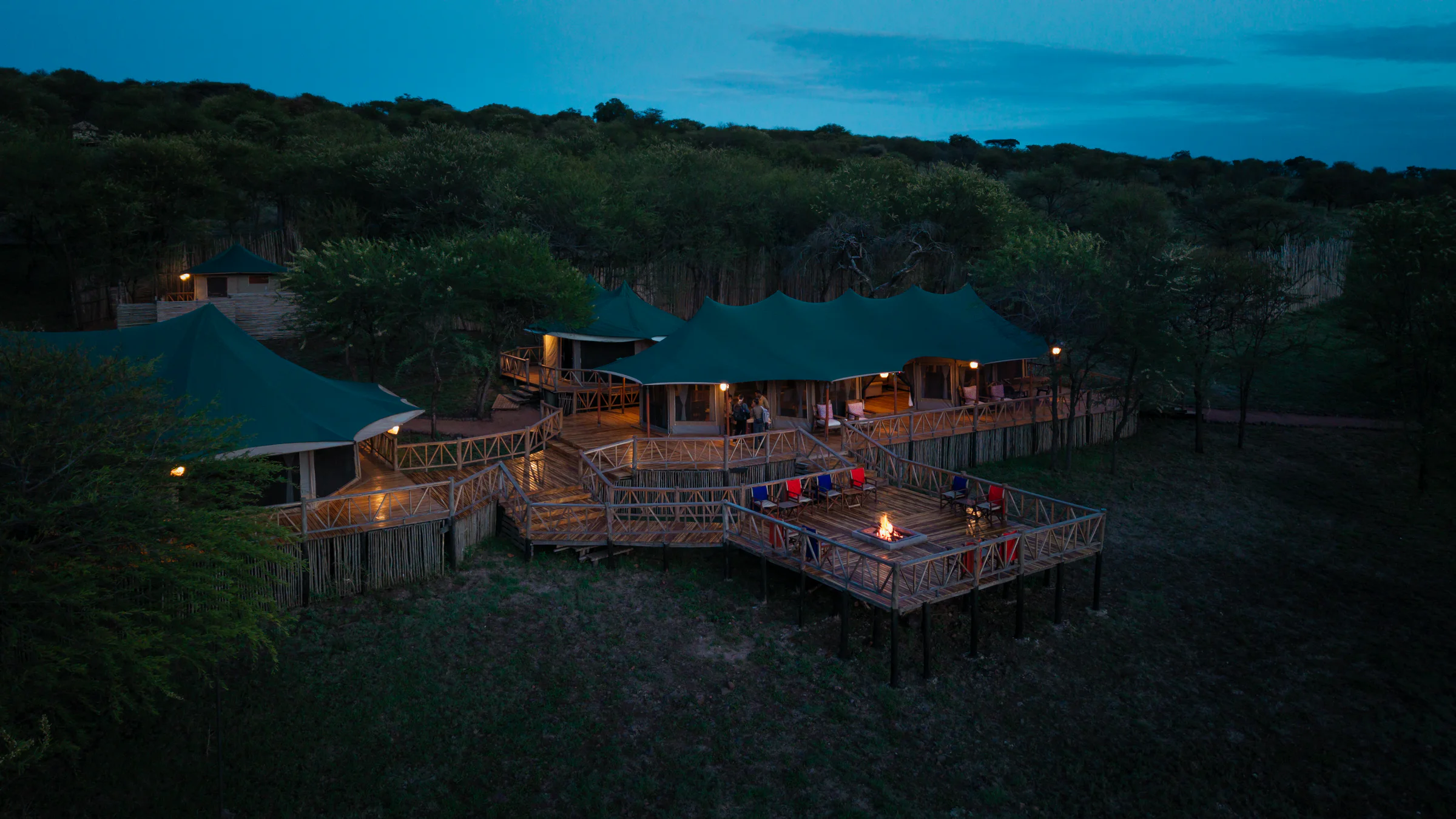
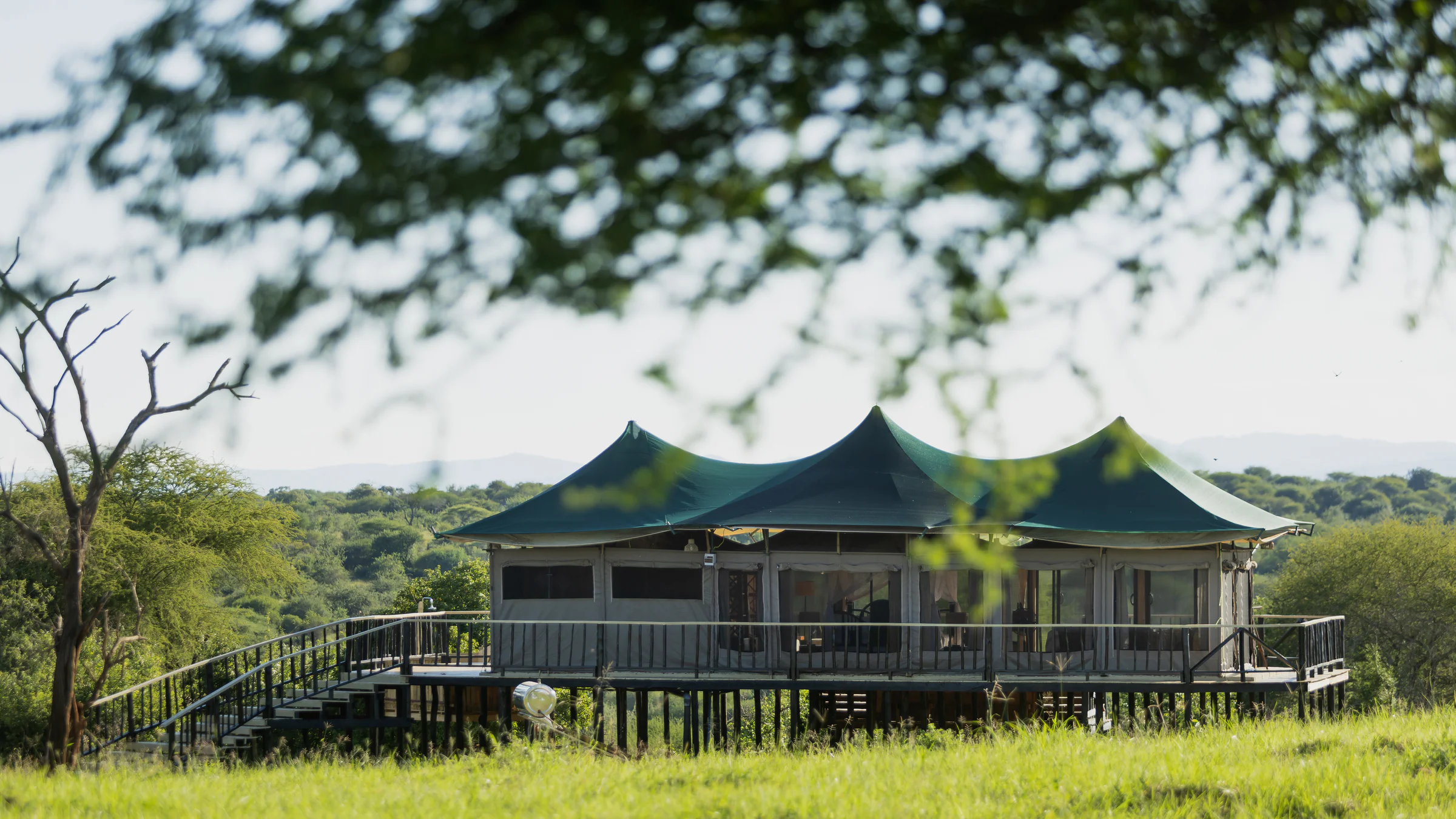
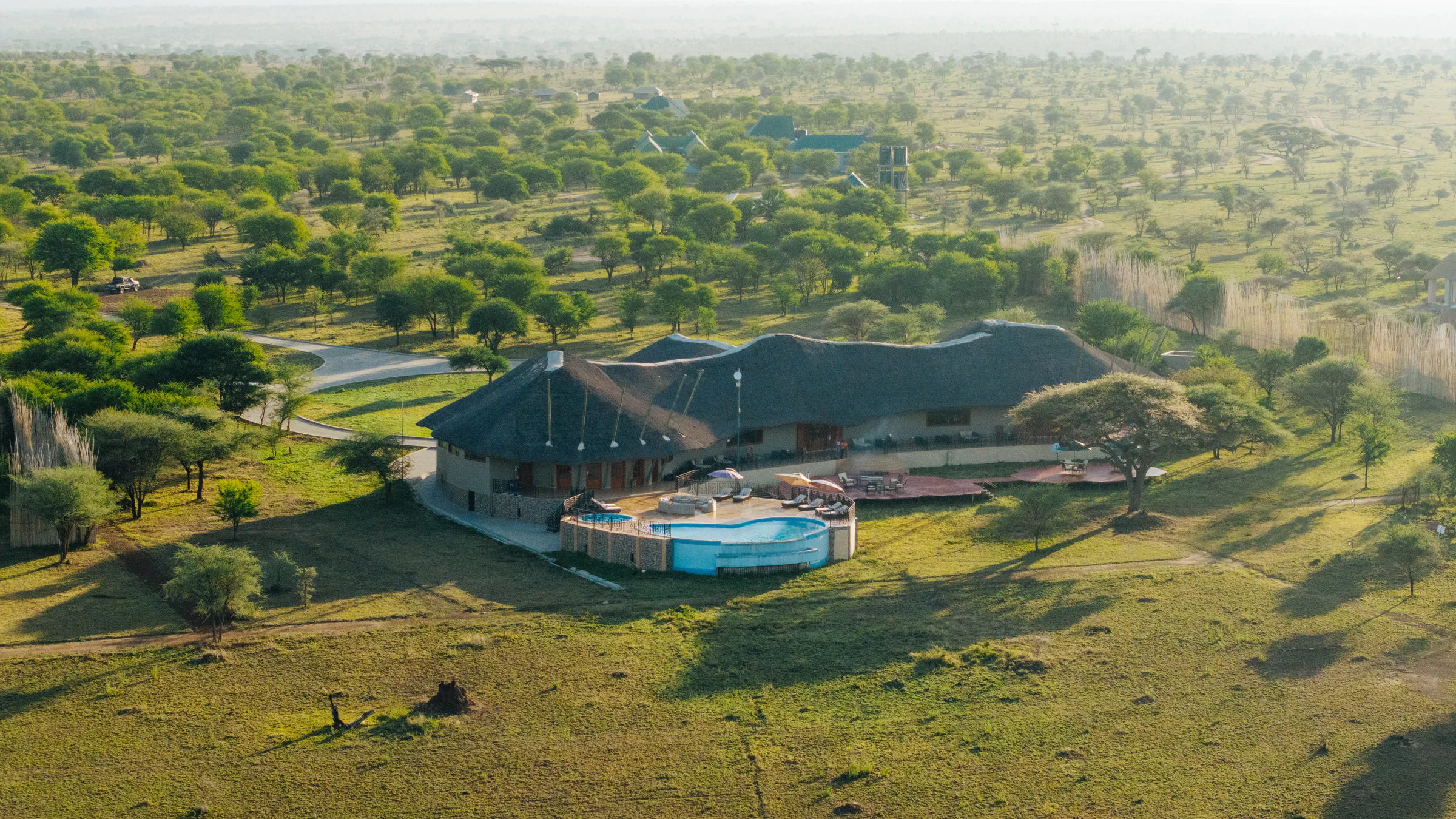
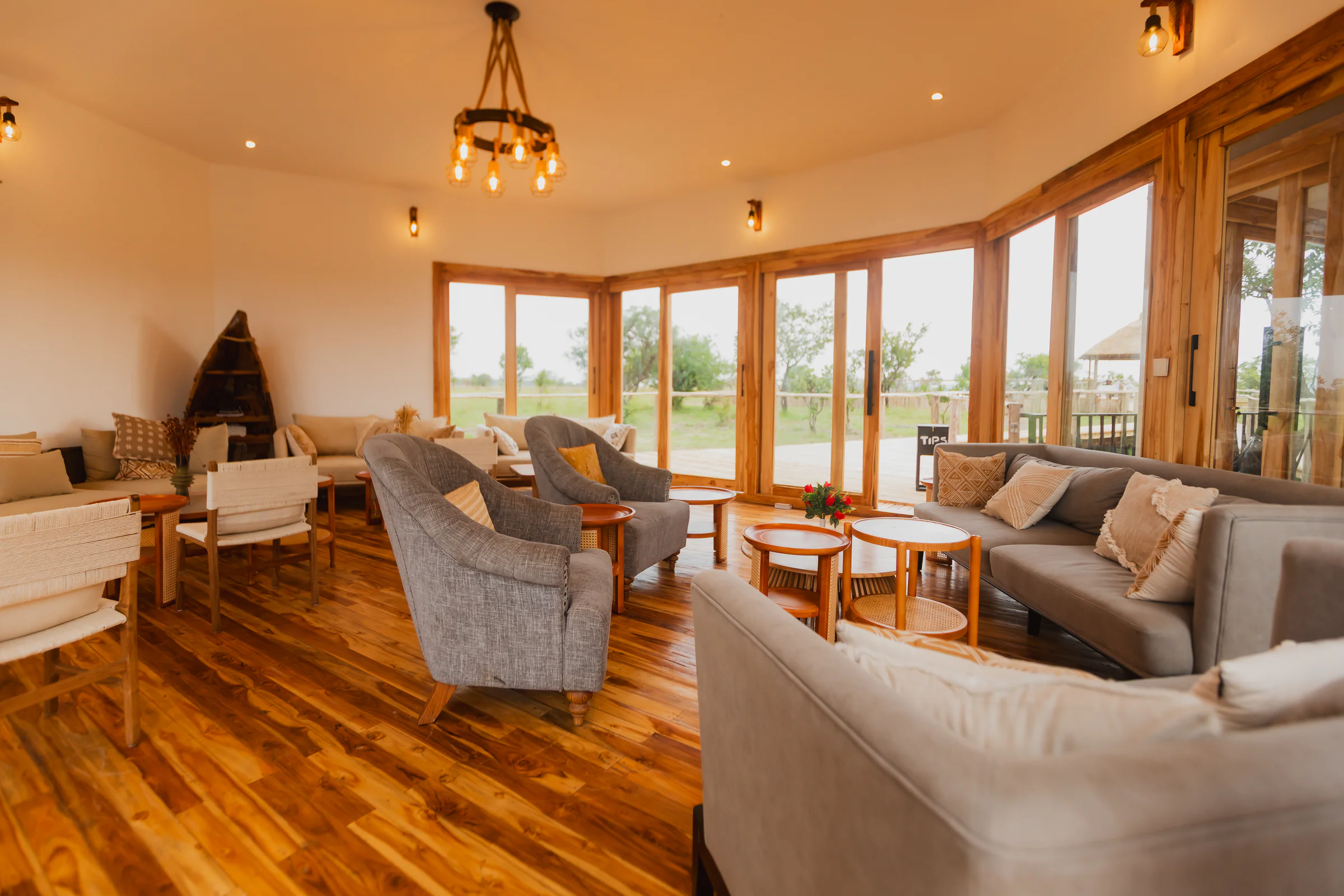
The reward factor. After days of grueling hiking, cold nights, and the summit push, descending to a luxury safari camp feels like absolute paradise. Imagine stumbling off the mountain, exhausted but euphoric, and then sinking into a comfortable bed at Acacia Retreat in Arusha ($140–220/night) before heading out to watch lions in the Serengeti. That transition from extreme challenge to supreme comfort is unforgettable.
Flexibility for recovery. If the climb takes a toll — blisters, muscle soreness, fatigue — the safari allows you to recover passively. You're riding in a vehicle, not hiking. But if you safari first and arrive at the mountain with a stomach bug from rich food or exhaustion from early wake-ups, you may not summit.
Risk management. Kilimanjaro has a summit success rate of roughly 65–85% depending on the route. If something goes wrong — severe altitude sickness forcing an early descent, for example — you still have the safari to look forward to. The trip isn't ruined. If you safari first and then fail to summit, you fly home on a low note.
Kilimanjaro Routes: Which One Fits a Combo Trip?
Kilimanjaro has seven official climbing routes, each with different durations, difficulty levels, and summit success rates. For a combination trip, we typically recommend routes that balance success rate with time efficiency.
| Route | Duration | Summit Success Rate | Difficulty | Best For Combo Trip? |
|---|---|---|---|---|
| Marangu ("Coca-Cola") | 5–6 days | 60–65% | Moderate | Possible but lower success |
| Machame ("Whiskey") | 6–7 days | 75–85% | Moderate-Hard | Excellent choice |
| Lemosho | 7–8 days | 85–90% | Moderate | Best for summit success |
| Rongai | 6–7 days | 75–80% | Moderate | Good — quieter route |
| Northern Circuit | 8–9 days | 90%+ | Moderate | If time allows |
| Umbwe | 5–6 days | 60–70% | Very Hard | Experienced climbers only |
| Shira | 7–8 days | 80–85% | Moderate | Good option |
For most guests combining climb and safari, we recommend the Machame route (7 days) or the Lemosho route (8 days). Machame is the most popular route for good reason — it offers diverse scenery, solid acclimatization, and a high success rate within a reasonable timeframe. Lemosho adds an extra day of acclimatization and approaches from the west, offering a quieter, more scenic experience with the highest success rates of any standard route.
Our Recommended Combined Itinerary: 14–16 Days
Here's the itinerary structure we've refined over many combo trips. It's designed for the Machame route (7 days) plus a 5-day safari, with recovery time built in.
Day 1: Arrive at Kilimanjaro International Airport. Transfer to Acacia Retreat in Arusha. Rest, gear check, pre-climb briefing with your guide team. Enjoy a comfortable night's sleep — your last in a real bed for a week.
Days 2–8: Kilimanjaro climb via Machame route (7 days/6 nights). Day 7 includes the summit push (typically starting at midnight) and descent to the final camp or gate. You'll pass through five distinct climate zones — rainforest, heath, moorland, alpine desert, and arctic summit — each with its own stunning character.
Day 9: Recovery day in Arusha. Return to Acacia Retreat. This day is essential — don't skip it. Hot shower, massage if available, proper meals, sleep. Your body needs this reset before the safari begins. Celebrate your summit with a good dinner.
Day 10: Drive to Tarangire National Park. Check into Serian Tarangire Camp ($221–443/night). Afternoon game drive among the massive elephant herds and ancient baobab trees. After a week on the mountain, seeing your first wildlife feels almost surreal.
Days 11–12: Transfer to Ngorongoro. Two nights at Naserian Safari Camp ($230–380/night) or The Castle at Ngorongoro ($290–480/night). Full-day crater descent, rim walks, and Maasai cultural visit. The crater — a collapsed volcanic caldera teeming with wildlife — is the perfect complement to your volcanic mountain experience.
Days 13–14: Fly or drive to the Serengeti. Stay at Enkirari Wilderness Camp ($250–325/night) or Olkarien Gorge Camp ($435–474/night) for eco-luxury. Full days of game drives across the endless plains. If you're visiting during migration season, Enkutoto Migration Camp ($250–400/night) positions you right in the action.
Day 15: Morning game drive, then fly back to Arusha. Final night at Acacia Retreat or direct transfer to the airport for evening flights.
What Does a Combined Trip Cost?
Let's be transparent about costs. A Kilimanjaro climb plus safari is a significant investment, but it replaces what would otherwise be two separate trips to Tanzania — saving you on international flights, visa fees, and travel time.
| Component | Budget Estimate (per person) | Mid-Range Estimate | Premium Estimate |
|---|---|---|---|
| Kilimanjaro climb (7-day Machame) | $1,800–$2,200 | $2,500–$3,500 | $4,000–$6,000 |
| Recovery day (Arusha accommodation) | $140 | $180 | $220 |
| Safari (5 days / 4 nights) | $1,500–$2,000 | $2,500–$3,500 | $4,000–$5,500 |
| Internal flights (if applicable) | $200–$300 | $300–$500 | $300–$500 |
| Park fees (Kili + safari parks) | Included in climb/safari | Included | Included |
| Tips (mountain crew + safari guides) | $250–$350 | $400–$600 | $600–$1,000 |
| Gear rental (if needed) | $100–$200 | $100–$200 | Own gear |
| Total per person | $3,990–$5,190 | $5,980–$8,480 | $9,120–$13,220 |
These estimates exclude international airfare (typically $800–$1,500 from Europe, $1,200–$2,000 from North America) and Tanzania visa ($50). The key insight is that combining both adventures into one trip saves you the cost of a second international flight — typically $800–$2,000 — plus extra vacation days from work.
Fitness Requirements: How Fit Do You Need to Be?
We won't sugarcoat this: Kilimanjaro is a serious physical challenge, and adding a safari afterward extends your trip length. Here's our honest assessment of the fitness level required.
For the climb: You don't need to be an athlete, but you do need a reasonable base fitness level. We recommend being able to hike 10–15 kilometers with a daypack on hilly terrain without excessive fatigue. If you can comfortably walk for 6–8 hours in a day, you have the basic fitness for Kilimanjaro. The bigger challenge is altitude — and no amount of fitness fully prepares you for that. Slow, steady hiking and proper acclimatization are more important than peak cardiovascular fitness.
Training recommendation: Start training 8–12 weeks before your trip. Focus on hiking (ideally with elevation gain), stair climbing, and building endurance for long, slow efforts. Include some strength training for your legs and core. If you live at sea level, consider a altitude simulation mask or pre-trip altitude exposure if possible — though this isn't essential.
For the safari: The safari portion requires minimal physical fitness. You're riding in a vehicle for most of the day. The main physical demands are getting in and out of the vehicle and possibly short walking safaris. After the Kilimanjaro climb, the safari will feel like a holiday — which is exactly the point.
Age considerations: We've had guests from age 14 to 72 successfully complete the combination trip. Age is less important than fitness level and determination. However, guests over 60 should consider adding an extra acclimatization day on the mountain and an extra recovery day in Arusha.
Best Time of Year for the Combination
Kilimanjaro can be climbed year-round, but the best months align well with safari seasons:
January–March: Excellent for climbing (dry, clear skies) and safari (calving season in the Serengeti). This is our top recommendation for the combo trip.
June–October: The classic dry season. Great climbing weather and peak safari conditions. The most popular — and most expensive — period. Book well in advance.
November–December: Short rains on the mountain but generally manageable. Safari conditions are good, with the migration returning to the southern Serengeti. Good value period.
March–May (green season): The mountain gets significant rain, making climbing conditions challenging. However, if you're set on this period, the safari portion offers excellent value — see our green season rates for significant savings.
Packing Smart: One Trip, Two Adventures
Packing for both a mountain climb and a safari requires strategy. You need technical cold-weather gear for the summit and lightweight warm-weather clothing for the bush. Here's our approach:
Pack two bags. Use a large duffel for the mountain (porters carry it) and a smaller bag for safari. Leave your safari bag at Acacia Retreat or with your tour operator during the climb. This way, you're not hauling unnecessary weight up the mountain.
Layer system for the mountain: Base layers (merino wool), insulating layers (fleece or down), waterproof shell, warm hat and gloves, gaiters. Summit night requires serious warmth — temperatures can drop to -20°C at the top.
Safari essentials: Neutral-colored clothing (khaki, olive, beige), sun hat, sunscreen, binoculars, camera with a good zoom lens, comfortable closed-toe shoes for walking safaris.
Shared items: Headlamp, sunglasses, first aid kit, water bottles, and toiletries serve double duty for both adventures.
Frequently Asked Questions About Safari + Kilimanjaro Trips
How many days do I need for a combined Kilimanjaro and safari trip?
We recommend a minimum of 14 days for a comfortable combination — 7 days for the Machame or Lemosho route, 1 recovery day in Arusha, and 5–6 days of safari across Tarangire, Ngorongoro, and the Serengeti. Shorter combinations are possible with a 5-day climb and 3-day safari, but the rush diminishes both experiences. If you have 16–18 days, you can add the Lemosho route (8 days) and a more extended safari.
Should I climb Kilimanjaro before or after the safari?
We strongly recommend climbing first, then doing the safari. You arrive at the mountain fresh and rested, and the safari becomes a well-earned reward after the physical challenge of the climb. If you safari first, you risk arriving at the mountain tired, and if altitude sickness forces an early descent, your trip ends on a disappointing note rather than an exciting one.
Can I do the trip if I've never climbed a mountain before?
Yes, many of our guests are first-time mountain trekkers. Kilimanjaro doesn't require technical climbing skills — there are no ropes, ice axes, or rock climbing involved on the standard routes. It's essentially a long, steep hike at high altitude. What you need is reasonable cardiovascular fitness, determination, and willingness to go slowly. We recommend training with regular hikes of 10–15 kilometers for at least 8 weeks before your trip.
What happens if I can't summit due to altitude sickness?
Altitude sickness affects people unpredictably — fitness level is not a reliable predictor. If your guide determines it's unsafe to continue, you'll descend to a lower altitude where symptoms typically resolve quickly. You'll still have completed an incredible trek through multiple climate zones, and your safari adventure awaits. Many guests who don't summit still describe the trip as life-changing because the safari portion provides such a powerful experience.
Can I book the climb and safari through Acacia Collections?
We specialize in the safari portion and can arrange your complete post-climb safari experience, including accommodation at our properties across Serengeti, Ngorongoro, Tarangire, and Arusha. We work with trusted Kilimanjaro climbing operators and can coordinate both halves of your trip seamlessly. Contact our team to discuss your combined adventure — we'll handle the logistics so you can focus on the experience.
Ready to Plan Your Ultimate Tanzania Adventure?
Combining Kilimanjaro and a safari is ambitious, exhilarating, and — with the right planning — entirely achievable. It's the kind of trip that transforms how you see the world and what you believe you're capable of. From the frozen summit of Africa's rooftop to the sun-drenched plains of the Serengeti, this is Tanzania at its most magnificent.
We've guided countless guests through this exact combination, and we'd love to help you design yours. Our team will coordinate the logistics, recommend the best routes and safari circuits for your dates, and ensure every detail is handled — from airport pickup to summit celebration to your first sundowner overlooking the Serengeti.
Get in touch with our team today to start planning your Kilimanjaro and safari combination trip. We'll create a custom itinerary that matches your fitness level, budget, and dream list. This is the adventure of a lifetime — let's make it happen.
Start planning your Tanzania safari
Our safari experts craft personalized itineraries for every interest and budget. Tell us what you are looking for.
Request a Free Quote